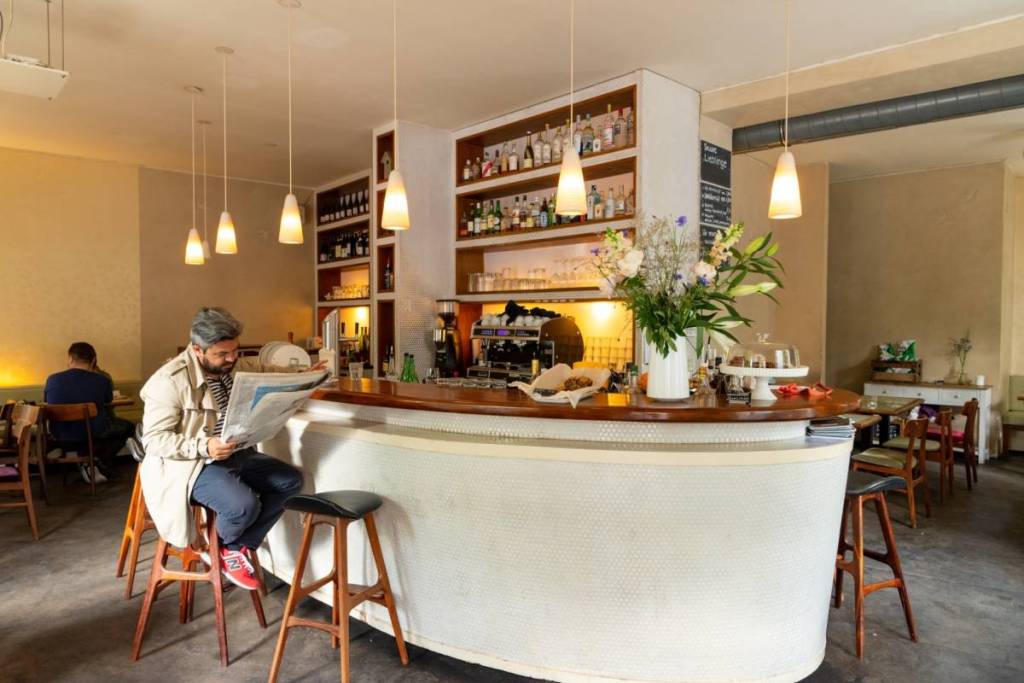

Long nights, packed bars, and a nightlife that pulsed into the early morning hours: Prenzlauer Berg was once considered one of Berlin’s trendiest neighborhoods. Whether on Kastanienallee, around the Kulturbrauerei, or in the numerous small pubs—people partied here until the sun came up again. But today, in many places, there’s little left of that legendary nightlife culture. Where people used to order their last drinks at 5 a.m., tables are now sometimes empty as early as 9:30 p.m. But what’s behind the transformation of a neighborhood that was once known for its lively bar scene?
At the center of the discussion is Roland Hoppenheit, who has been running the multi-award-winning Saphire Bar at Bötzowstraße 31 for 23 years. His cocktail bar was long a popular hangout for night owls from all over Berlin. Guests came from different districts to enjoy exotic cocktails and stay until the early morning hours.
But in the meantime, the behavior of visitors has changed significantly. According to Hoppenheit’s observations, guests stay for shorter periods, order fewer drinks, and leave the bar much earlier than they did a few years ago. Particularly striking is the quiet that now settles over the Bötzowviertel as early as the beginning of the evening. As early as 8:00 p.m., some streets seemed unusually deserted, while the tables in some bars emptied by 9:30 p.m. at the latest.
Hoppenheit publicly expressed his displeasure with this development in an Instagram post. In it, he compared the evening atmosphere of the once-lively neighborhood to that of a village in Brandenburg. According to his own account, his post reached more than 30,000 people and sparked a discussion about whether Prenzlauer Berg is increasingly losing its former character as a nightlife district.
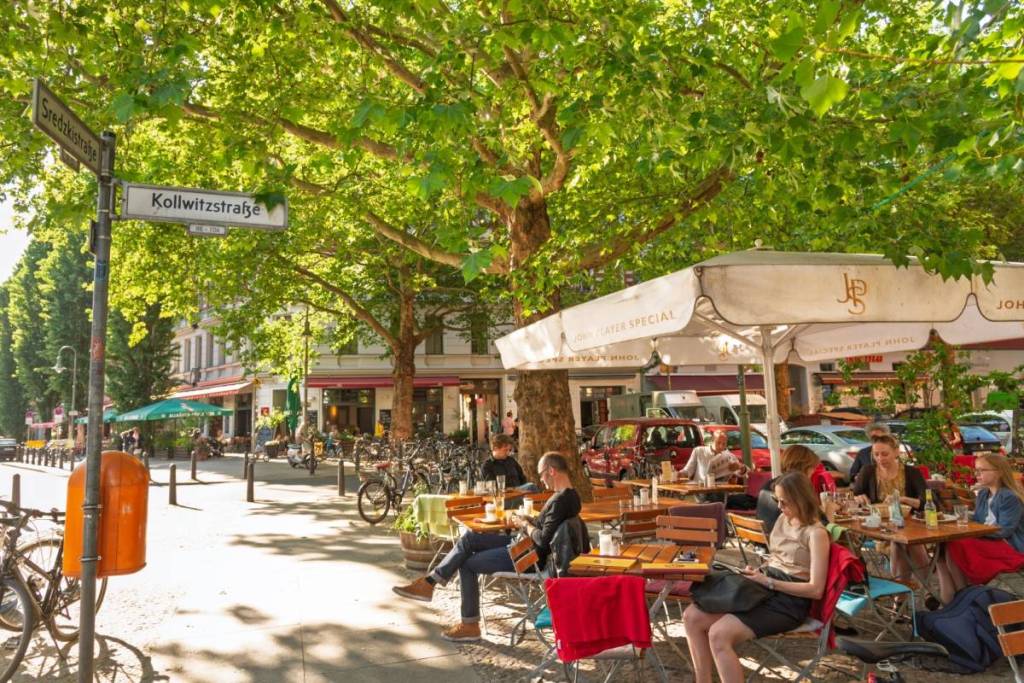
It’s not just cocktail bars that are feeling the effects of these changing habits. Restaurants in the Bötzowviertel also report that typical dining times have shifted significantly earlier. Trang Le, who runs the Thai restaurant Preeda, observes, for example, that many guests now arrive for dinner as early as 5:30 or 6:00 p.m. They often combine their restaurant visit with a trip to the movies or other leisure activities afterward. After 9:30 p.m., however, new guests rarely arrive.
However, the restaurant owner takes a more nuanced view of the development. In her assessment, the Bötzowviertel was never a classic hub of Berlin’s nightlife. Those who wanted to party into the early morning hours tended to head to Friedrichshain or Neukölln even back then. The changes, therefore, should not necessarily be interpreted as the complete loss of a former party scene, but could also be an expression of a general societal shift.
The reasons for the increasingly quiet evenings are varied. The rising cost of living is likely playing a significant role. According to the German Hotel and Restaurant Association (Dehoga), restaurant services across Germany became 29.3 percent more expensive between January 2022 and April 2026. At the same time, labor costs in the hospitality industry rose by 34.9 percent between the fourth quarter of 2022 and the fourth quarter of 2025.