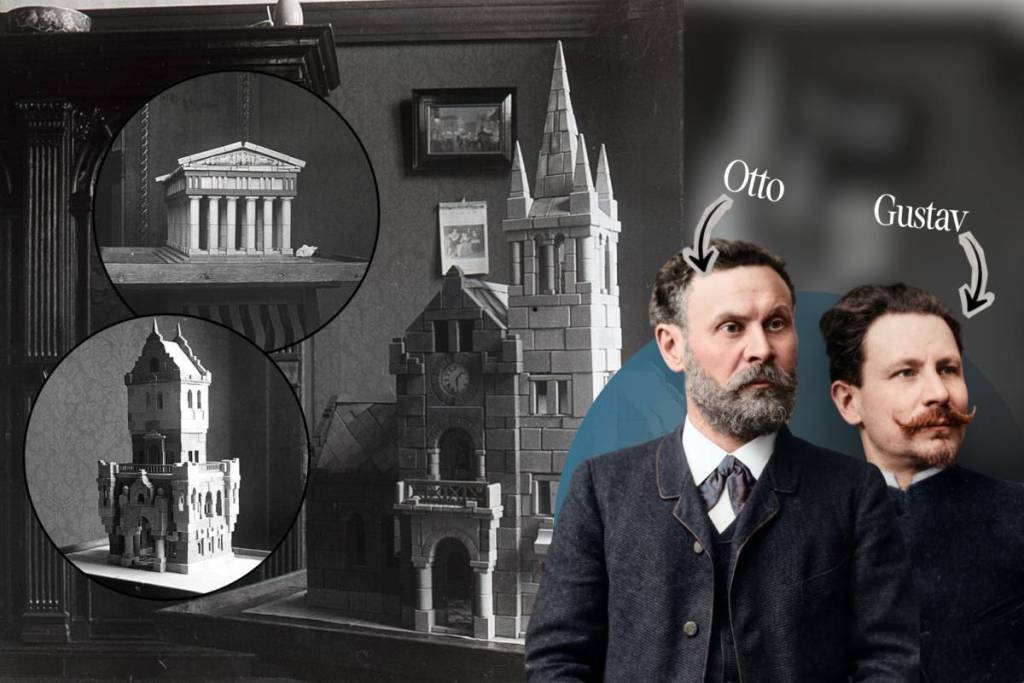

When people hear the name Lilienthal, they think of gliders, wings, and the dream of flying. Very few people know that Otto Lilienthal and his younger brother Gustav also invented the world’s first true modular toy. Yet their toy shaped generations of children.
A quick tip: If you’re interested in the fascinating world of LEGO, be sure to stop by Bricks of Wonder—it’s only about 80 minutes by train from Berlin. Master builder Dirk Denoyelle has built an entire world in Magdeburg!
The Anker Brick Building Set: An invention by Otto and Gustav Lilienthal from 1880
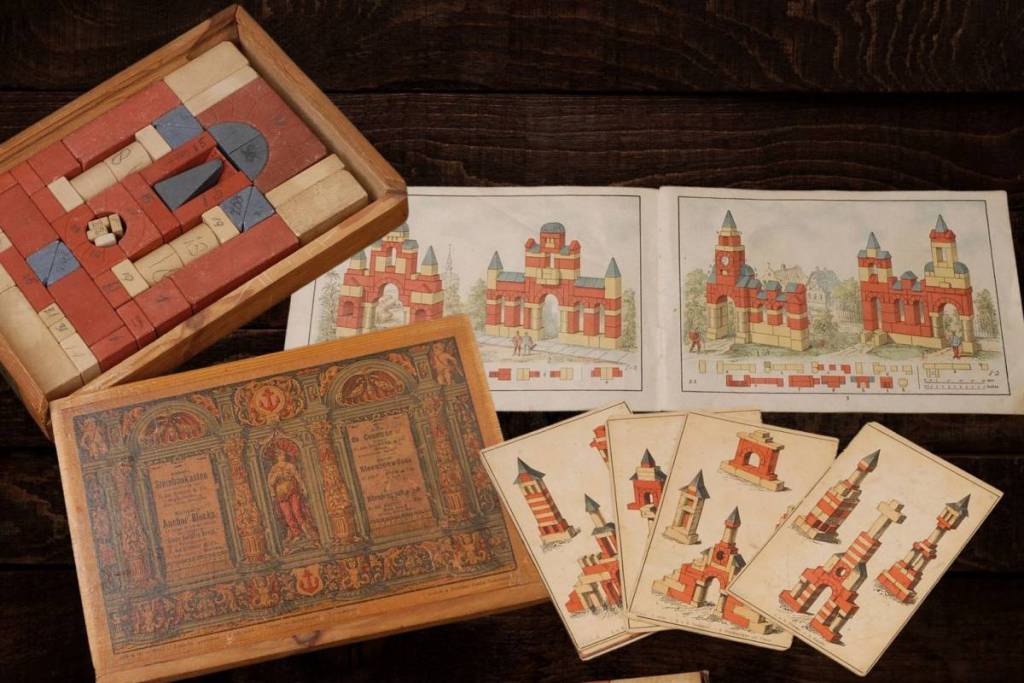
Long before LEGO patented its stud-and-tube system in 1958, the brothers developed a building set made of small, standardized bricks. Children could use it to construct buildings to scale: from blocks, columns, arches, gables, and roofs.
The bricks were made of quartz sand, chalk, and linseed oil and came in shades of red, yellow, and blue-gray. In 1880, Gustav sold the idea to the Rudolstadt-based manufacturer Friedrich Adolf Richter, who built an empire out of it. Starting in 1895, the sets were marketed under the name “Anker Building Block Set,” a best-selling export product well into the 20th century.
A revolutionary principle: What makes modular toys special
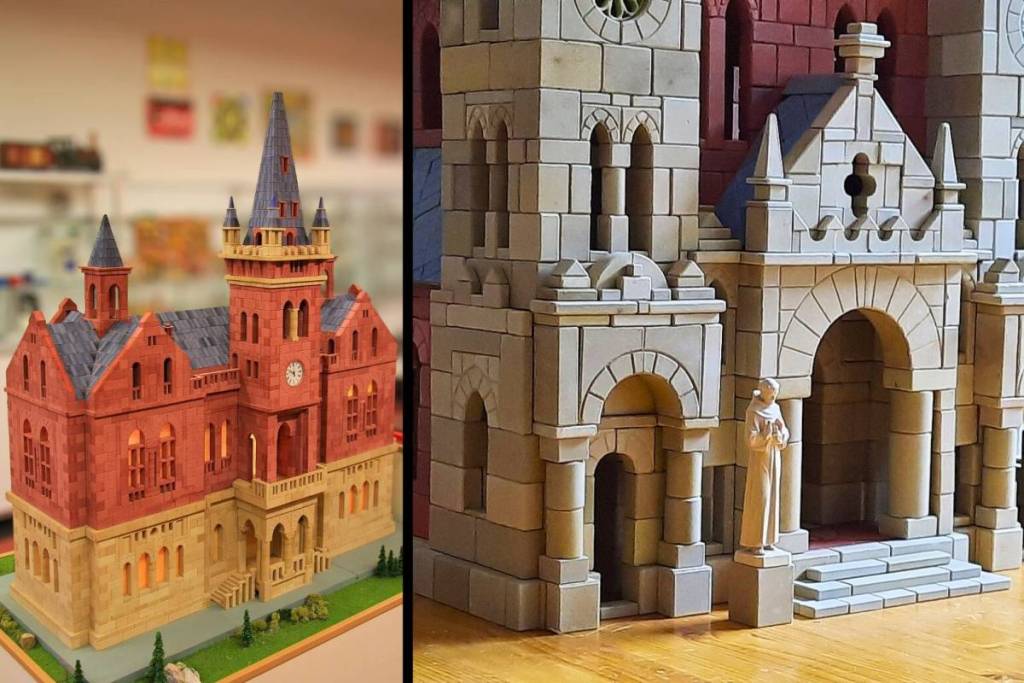
All the pieces followed a common measurement system, could be combined in any way, and expanded with every additional purchase. Little by little, a small box turned into an entire castle.
It is precisely this logic that remains at the heart of every building block set (LEGO, Playmobil, fischertechnik) to this day. It is said that great figures such as Walter Gropius and Albert Einstein played with Anker blocks.
From the Children’s Room to the City
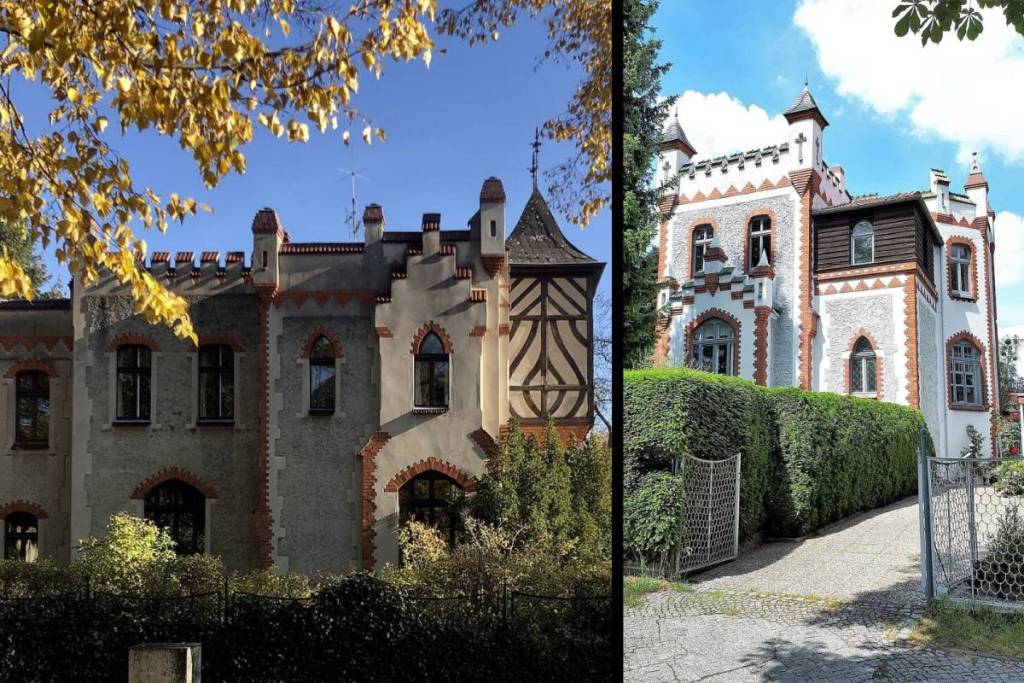
Gustav Lilienthal took building on a small scale seriously. As an architect and social reformer, he wanted to create housing that was both affordable and beautiful. In Berlin-Lichterfelde, fairy-tale-like houses with turrets, bay windows, and battlements—the “Lilienthal Castles”—were built according to his plans. If you take a walk there, you’ll see the Anker building set on a grand scale: playful, unconventional, and surprisingly modern.
Otto, the Aviator
Meanwhile, Otto Lilienthal devoted himself to flight. With his gliders, he became the first person to make repeated flights over long distances. On August 9, 1896, he crashed on the Gollenberg near Stölln and died the following day in Berlin. Among others, he inspired the Wright brothers.
Berlin’s inventive spirit lives on today
The story of the Lilienthals shows just how closely technology, play, and architecture were intertwined in Berlin. If you’d like to learn more, you can visit the Otto Lilienthal Museum in Anklam, the Lilienthal Memorial on Gollenberg and the Lady Agnes in Stölln, or the Fliegerberg in Lilienthal Park.
By the way: Anker building blocks are still available today. We’ve picked out the most impressive project on their website for you—it has nearly 2,400 pieces and weighs over 30 kg.