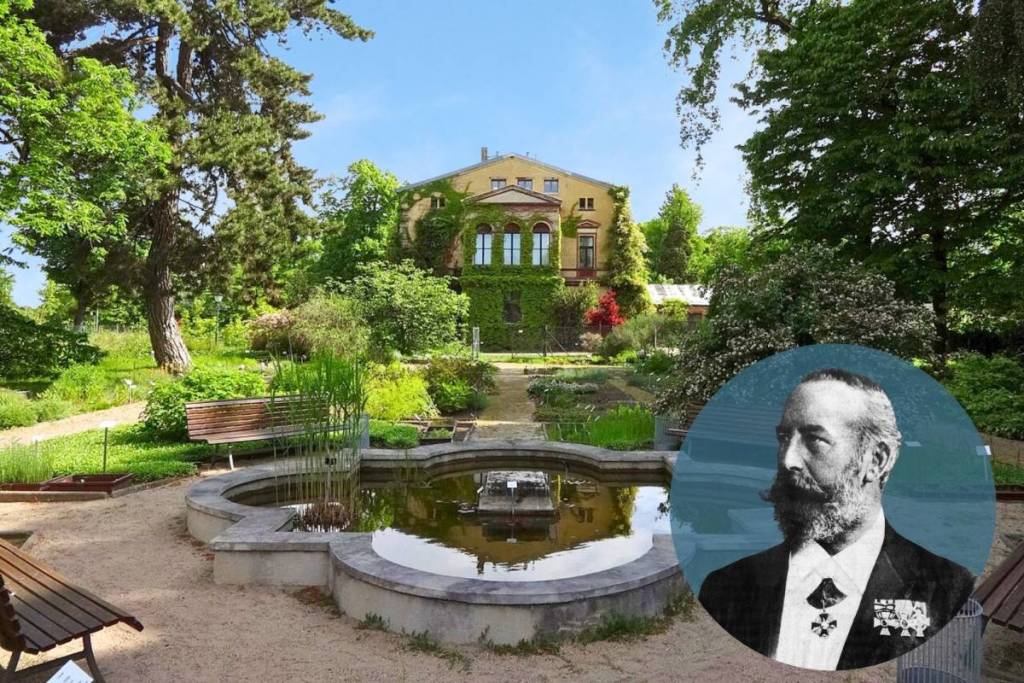

Berlin has countless places where you can feel history: from castles to fake ruins and real ruins, all the way to the ever-present Wall. But there’s also a piece of the past hidden in the greenery—one that grows, blooms, and is still sold today: the Späth’sche Baumschulen.
This combination of names probably sounds familiar to many of you. From Späthstraße, from the Baumschulenweg S-Bahn station, or maybe you’ve even driven away from there yourself with balcony plants in your trunk.
But did you know that people have been gardening here in Berlin for over 300 years and that the tree nursery was the largest in the world around 1900? A little tip to start with: If you feel at home in the world of trees, flowers, and paper, why not try a paper-making workshop with flowers?
Späth’s Nurseries: Berlin’s Oldest Active Nursery
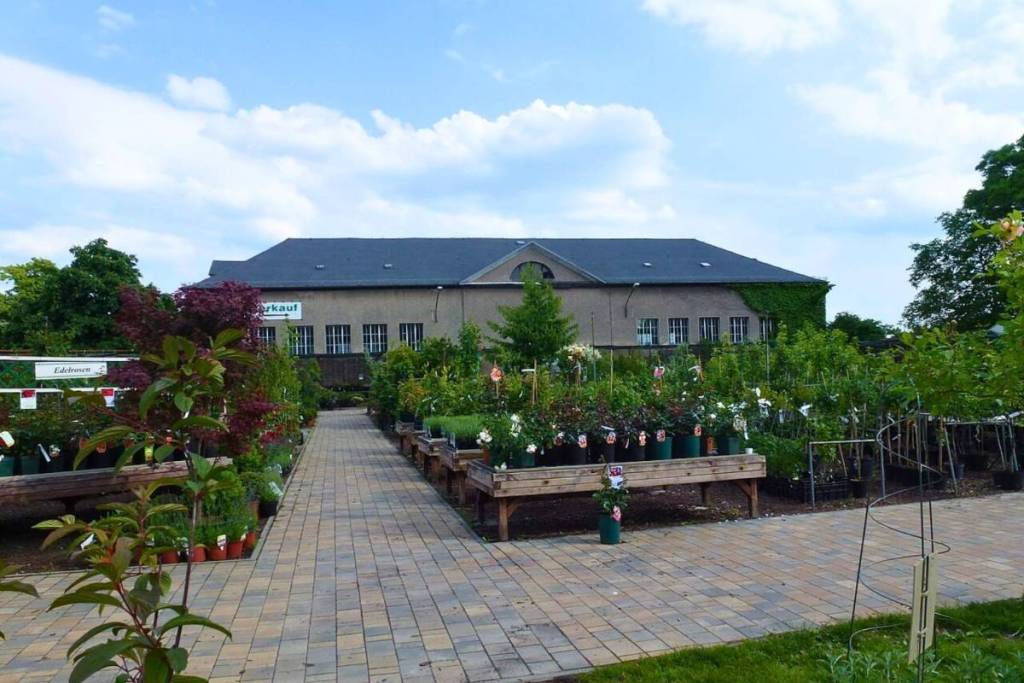
The company was founded in 1720 by Christoph Späth as a nursery in front of the Hallesche Gate. As early as 1730, King Frederick William I stopped by, chatted with the gardener, and pulled carrots from the beds with his own hands.
Späth’s son Carl moved the business to Köpenicker Straße in 1760. In 1864, the move to its current location on Baumschulenweg in Neukölln followed. There, Franz Späth expanded the nursery into a giant enterprise. He had paved access roads built, which shaped the entire neighborhood.
A highlight on the grounds is the Späth Arboretum
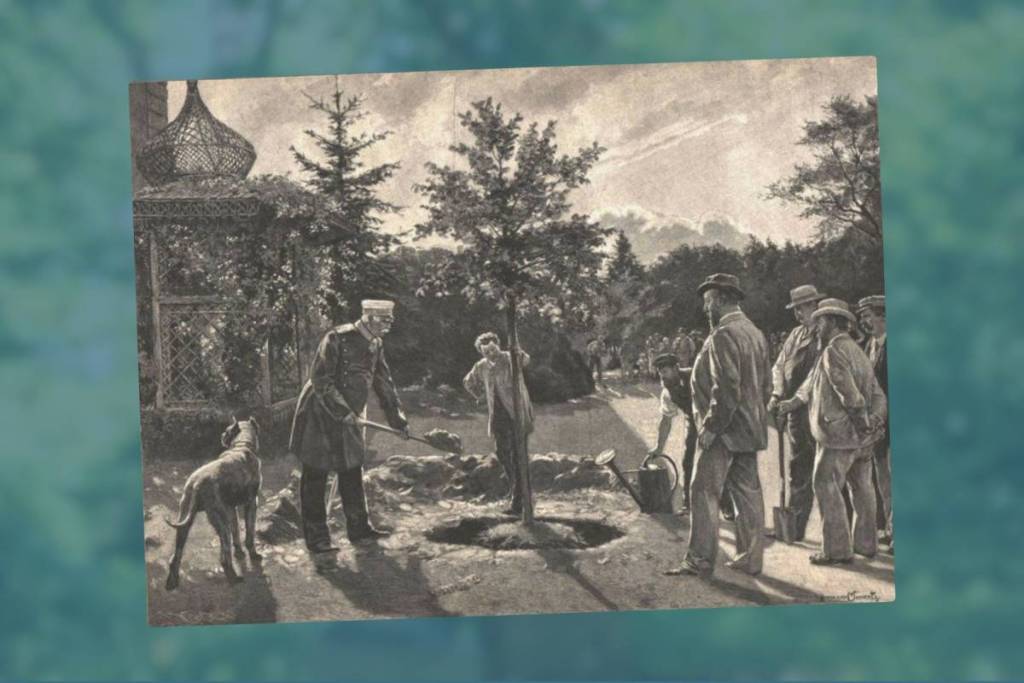
Franz Späth had a mansion built in 1874 (see cover photo) and laid out an educational garden in 1879. In 1884, Bismarck planted a silver linden tree, and in 1888—the “Year of the Three Emperors”—Moltke followed suit. The “Bismarck Linden” is one of the park’s main attractions.
Today, the arboretum belongs to Humboldt University (whose namesakes christened Berlin’s oldest tree) and features around 1,200 species of trees and shrubs, including a service tree from 1880—the oldest tree on the grounds.
The Turbulent 20th Century
Around 1900, the tree nursery was the largest in the world; its trees and shrubs were shipped overseas in wooden crates. In 1902, Emperor Wilhelm II appointed Franz Späth to the Royal Prussian State Economic Council.
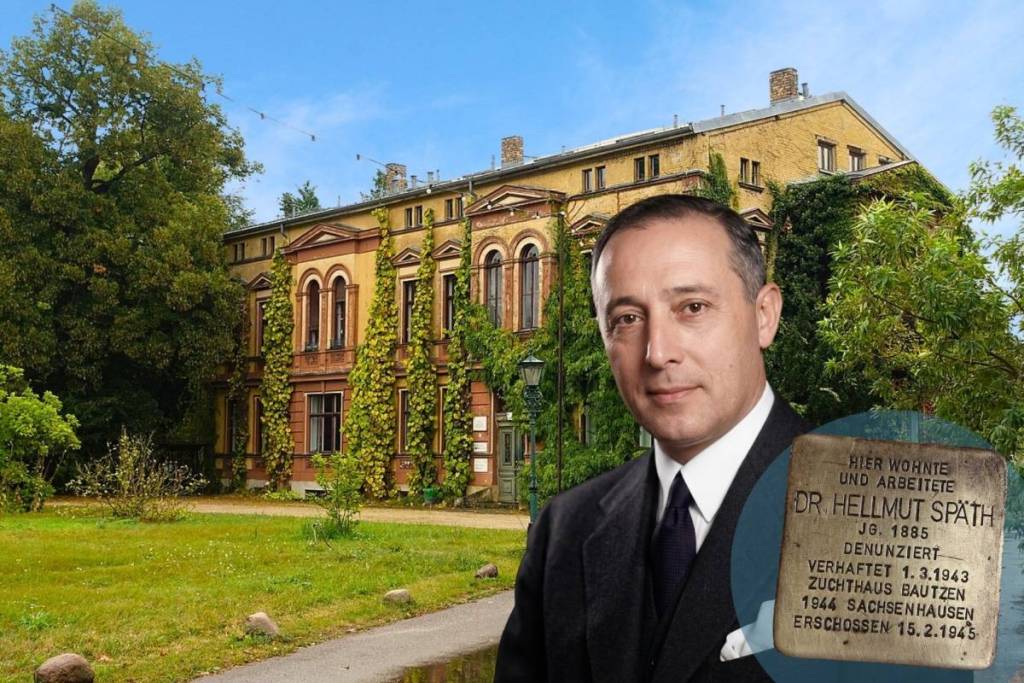
In 1912, Franz handed the business over to his son Hellmut Späth, who continued to expand the nursery. Hellmut wrote the “Späth Book,” a family chronicle spanning 1720 to 1930, and in 1936 named a rose bred at the nursery after his daughter Dagmar.
Although he was a member of the NSDAP, he was arrested for derogatory remarks about official authorities and killed at the Sachsenhausen concentration camp in 1945. His place in history remains controversial to this day. A Stolperstein and a commemorative plaque on the grounds honor his memory.
What’s the situation with the Späth nurseries today?
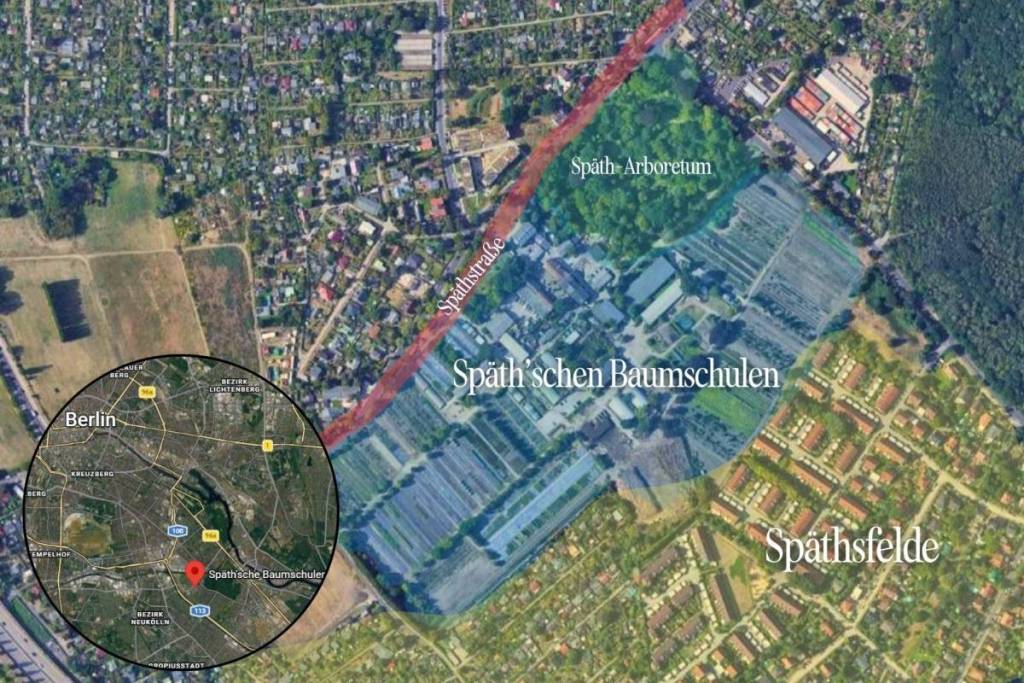
After Hellmut’s death, the nursery was expropriated in 1945. In the GDR, the business cultivated sea buckthorn varieties that were sold to the West as the “lemon of the East.” After reunification, the Treuhand initially refused to return the property to the heirs, citing Hellmut Späth’s Nazi past. In 1997, it was reprivatized and returned to a community of Späth heirs.
Today, gardening enthusiasts from all over Berlin come here to shop for their flower beds, patios, and balconies. There’s a farm store, a farm café, and a Christmas market every year during Advent. A trio of three women has taken over management.
However, the future isn’t entirely secure: The Senate is planning a new residential neighborhood around the tree nursery (Späthsfelde). In May 2026, around 22,000 people signed a petition to preserve the tree nurseries. In early July, the Senate Administration announced that the existing operation would be protected under planning law—but the goal of building housing would remain.