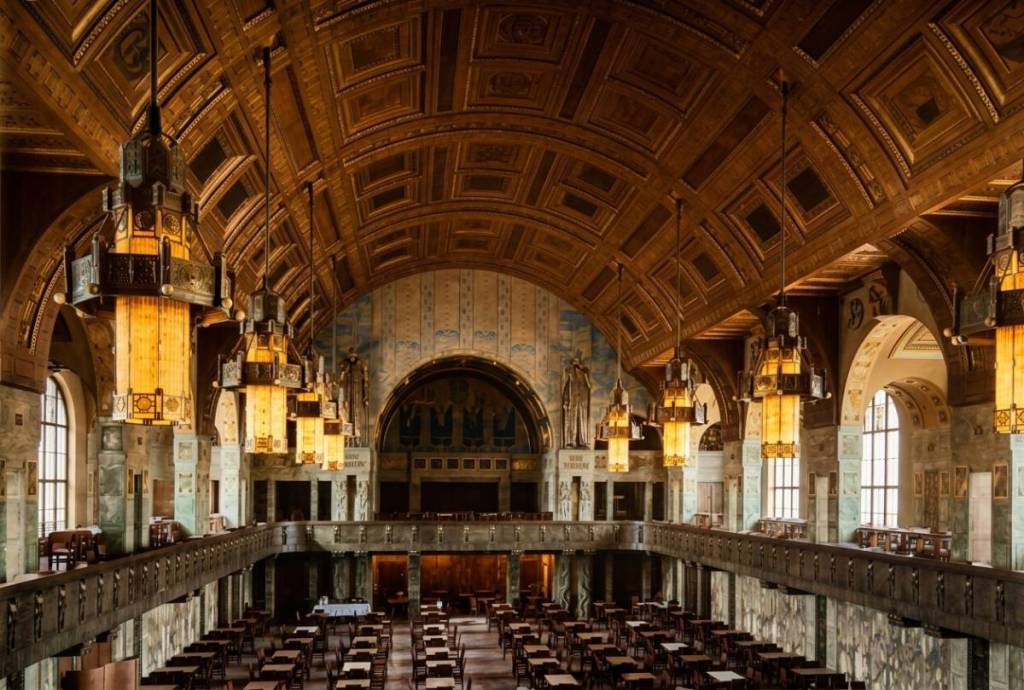

Imagine stepping through a massive portal, encountering glittering marble halls, and seeing seemingly endless wine reserves stored beneath you. What sounds today like a scene from a historical film was a real reality in Berlin starting in 1907. The legendary Rheingold Wine House, located between Potsdamer Straße and Bellevuestraße, was considered one of the most impressive dining establishments in Europe, if not the world. Where celebrities and night owls once flocked by the minute, a completely transformed architectural landscape now stands. But how did this giant of entertainment culture operate, what made the rooms so special, and why is not a single stone left standing here?
The tragic end of the magnificent building during the war and its transformation into a modern hotspot
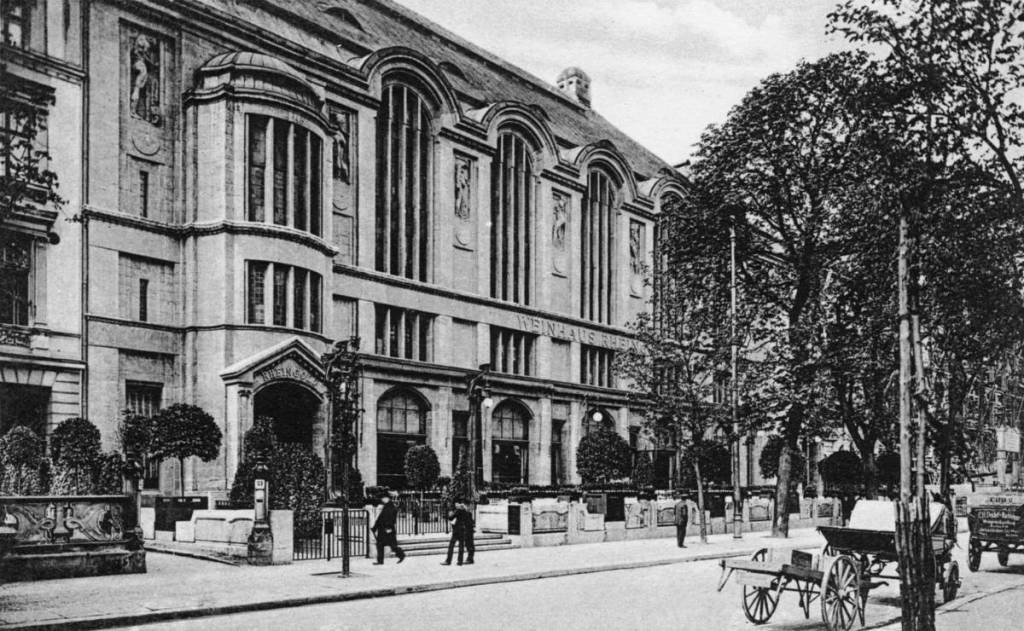
During World War II, heavy air raids in 1943 caused massive damage to the monumental building. Although experts assessed the remaining ruins as fully rebuildable after the war in the 1950s, urban planning considerations and a lack of funds told a different story. Amid the postwar turmoil of the divided city, the decision was made against the costly reconstruction, and the remains were demolished to clear the way for development at the intersection of the sectors. Today, the Bahntower rises at this very spot, flanked by the Kollhoff Tower and the newly rerouted Potsdamer Straße.
14 Themed Worlds Under One Roof: How Elegantly Berliners Dined Back Then
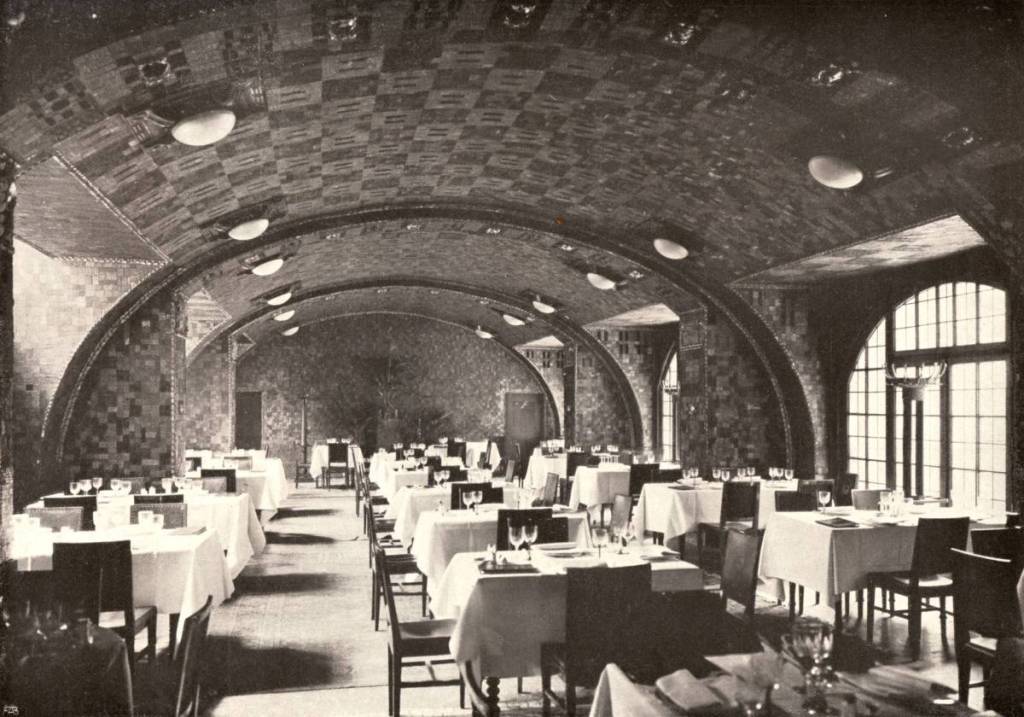
Run by the famous Aschinger family of restaurateurs, the establishment set new standards in terms of variety. The 14 different dining rooms could accommodate more than 4,000 guests at once and offered a unique atmosphere to suit every taste:
- The Kaisersaal: The heart of the venue impressed with its monumental ceiling heights, its own concert organ, and magnificent colonnaded galleries.
- The Shell and Onyx Hall: Here, shimmering gemstones met intricate mosaics, creating an almost fairy-tale-like atmosphere for the guests.
- The Column Hall: It captivated visitors with its massive marble columns, elegant wood paneling, and opulent wall reliefs.
Fine delicacies from Berlin’s haute cuisine provided the culinary backdrop. An indispensable highlight was the establishment’s cellar, which at times housed up to seven million bottles of the finest wines. Back then, the Aschinger brothers commissioned star architect Bruno Schmitz to build the Rheingold Wine House for a staggering four million gold marks—a true sensation in Imperial-era Berlin. Then as now, Berlin was a culinary metropolis that always knew how to set trends.