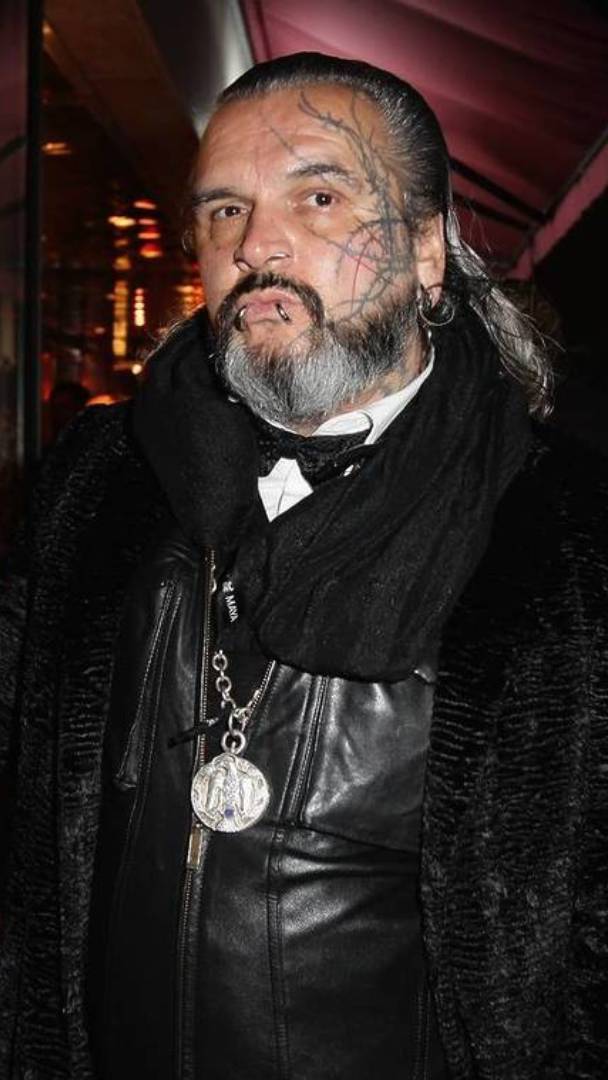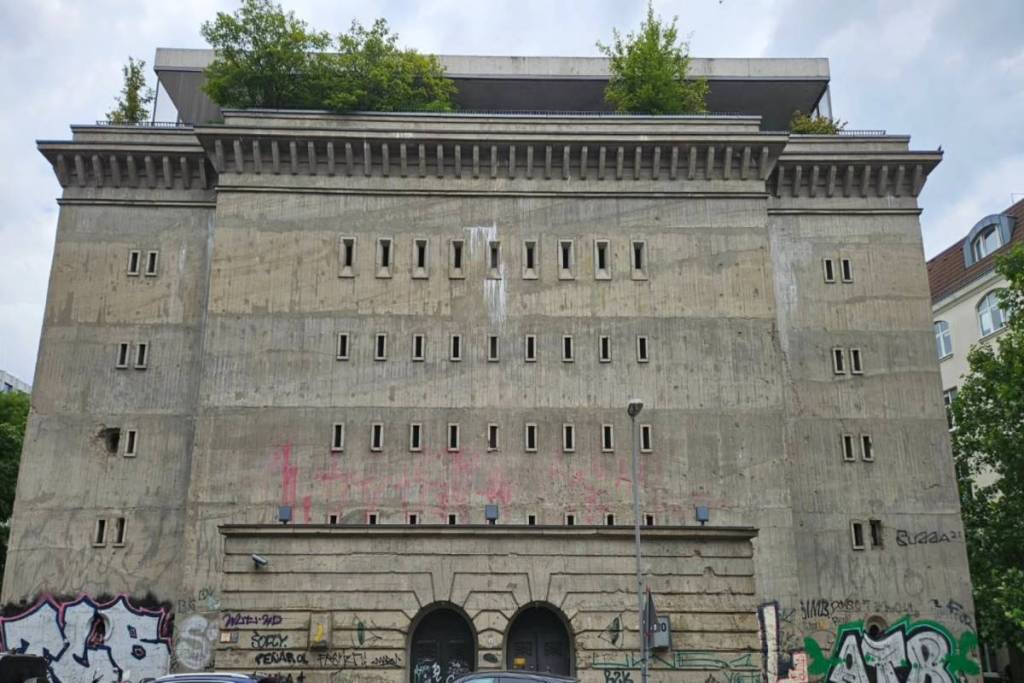

It’s no secret that Berlin is known for its legendary techno scene. From the Berghain with its infamous doorman to the KitKat with its extraordinary dress codes, all the way to club legends like the Tresor: fans of hard beats have been getting their fix in the capital for decades. And this is by no means a new trend. As early as about 30 years ago , Berlin had a club that was considered “the hardest club in the world” . We’re talking aboutthe Bunker at Reinhardtstraße 20 in Berlin-Mitte, which became a legend of the Berlin club scene with its techno, fetish, and fantasy parties . Today, the massive concrete building houses the Boros Collection, a private collection of contemporary art.
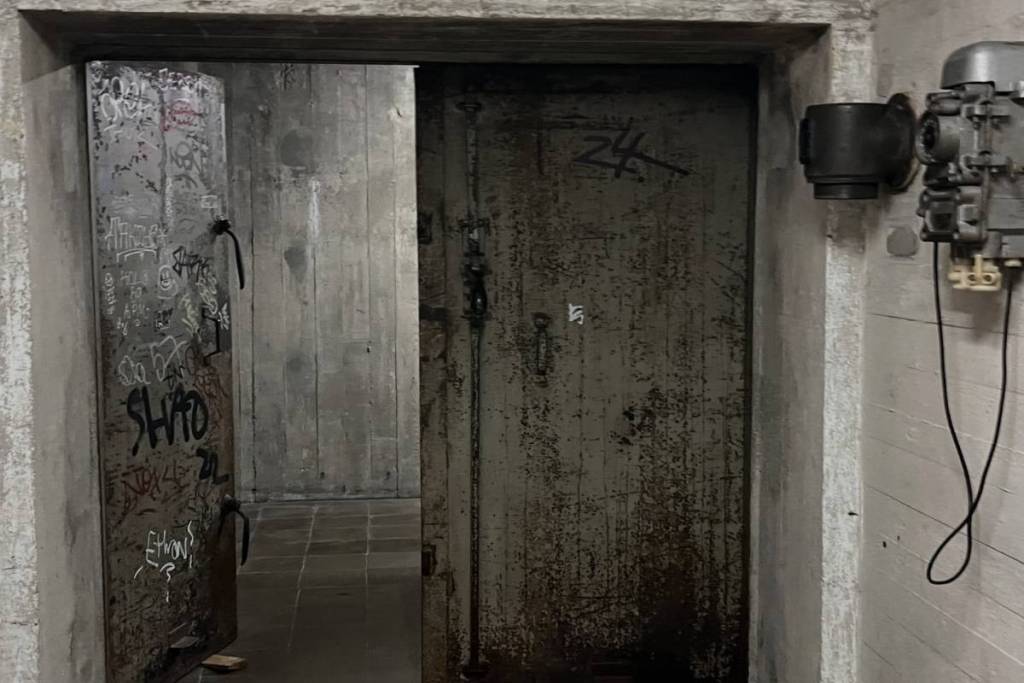
In the early 1990s , the legendary techno club “Bunker” was located in the former World War II bunker. The building’s history is almost as extraordinary as its current use. The so-called Reichsbahnbunker Friedrichstraße was constructed beginning in 1941 according to plans by architect Karl Bonatz under the supervision of the General Building Inspector for the Reich Capital. In 1942, the bunker was completed as an air-raid shelter for the civilian population. Forced laborers were also involved in its construction.
After the end of World War II, the Bunker was occupied by the Red Army and used as a war prison . After that, its function changed once again. Starting in 1949, the building served as a warehouse for textiles. Beginning in 1957, imported tropical fruits from Cuba were stored there. Because of this unusual use, the Bunker earned the nickname “Banana Bunker” in Berlin slang. After German reunification, the building’s purpose changed once more. In 1992, the techno club “Bunker” opened there, quickly becoming a major hub of the emerging electronic music scene. The events were known for their particularly intense and uncompromising atmosphere, as well as for fetish and fantasy parties. The operators thus turned the unusual bunker into one of the most influential venues of Berlin’s early techno scene.
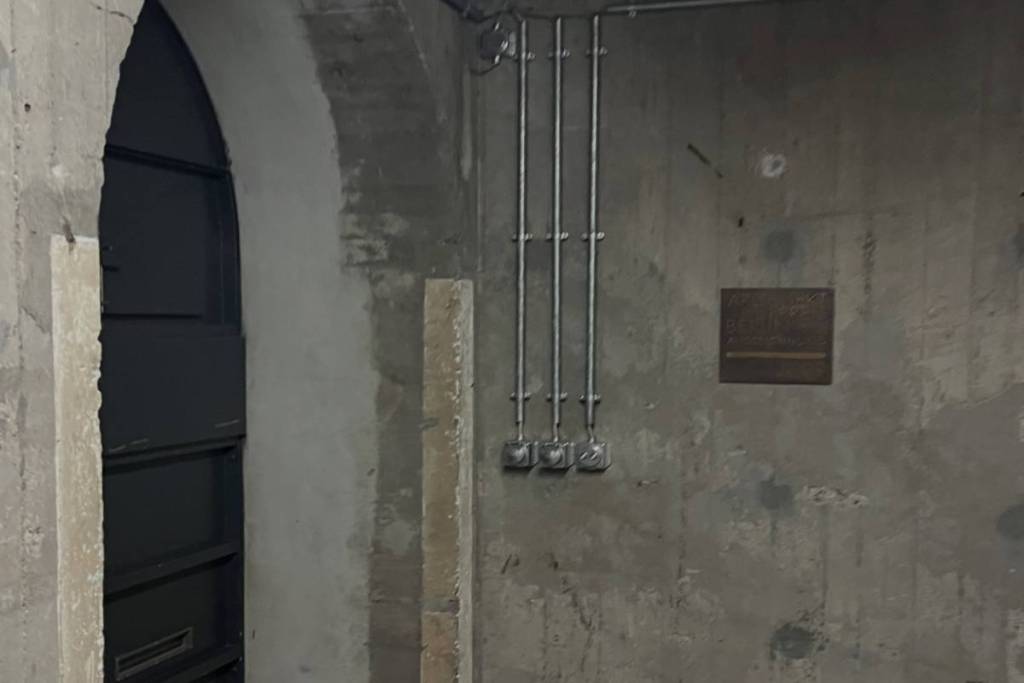
The story of the “Bunker” came to an end just a few years later. In 1995, the New Year’s Eve party “The Last Days of Saigon” was banned but took place anyway. As a result, the Bunker was shut down by court order. That same year, the sex fair “Sexperimenta” had also taken place there.
In 2003, Karen and Christian Boros purchased the Bunker to make their collection of contemporary art accessible to the public. The building underwent extensive renovation and was completed in 2007. Since 2008, rotating exhibitions from the Boros Collection have been on display there. The art collection comprises works by international artists from 1990 to the present. The exhibitions make deliberate use of the bunker’s unusual architecture. Sculptures, installations, paintings, drawings, videos, and photographs are displayed across approximately 3,000 square meters.
The current fourth exhibition of the Boros Collection has been on view since 2022 and includes works by Jean-Marie Appriou, Cyprien Gaillard, Alicja Kwade, Anne Imhof, Klára Hosnedlová, and Julius von Bismarck, among others.