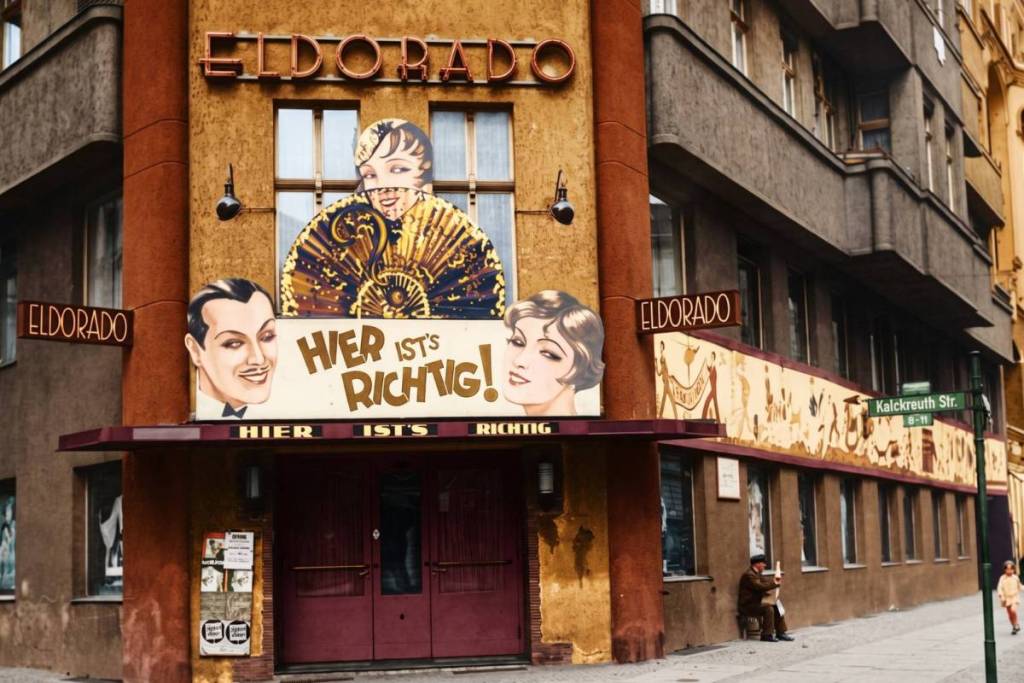

To this day, the Eldorado is regarded as a legendary symbol of Berlin’s thriving, tolerant subculture in the 1920s and early 1930s. During the colorful era of the Weimar Republic, the dance hall was not only a dazzling hotspot of nightlife but also a world-famous bastion of freedom, identity, and visual extravagance.
The Golden Age of a Cosmopolitan Metropolis
Although Paragraph 175 at the time criminalized homosexuality, Berlin experienced a surprisingly open scene during this era. The Eldorado—with its most famous locations on Lutherstraße and later on Motzstraße in Schöneberg—quickly became the vibrant heart of this liberal way of life.
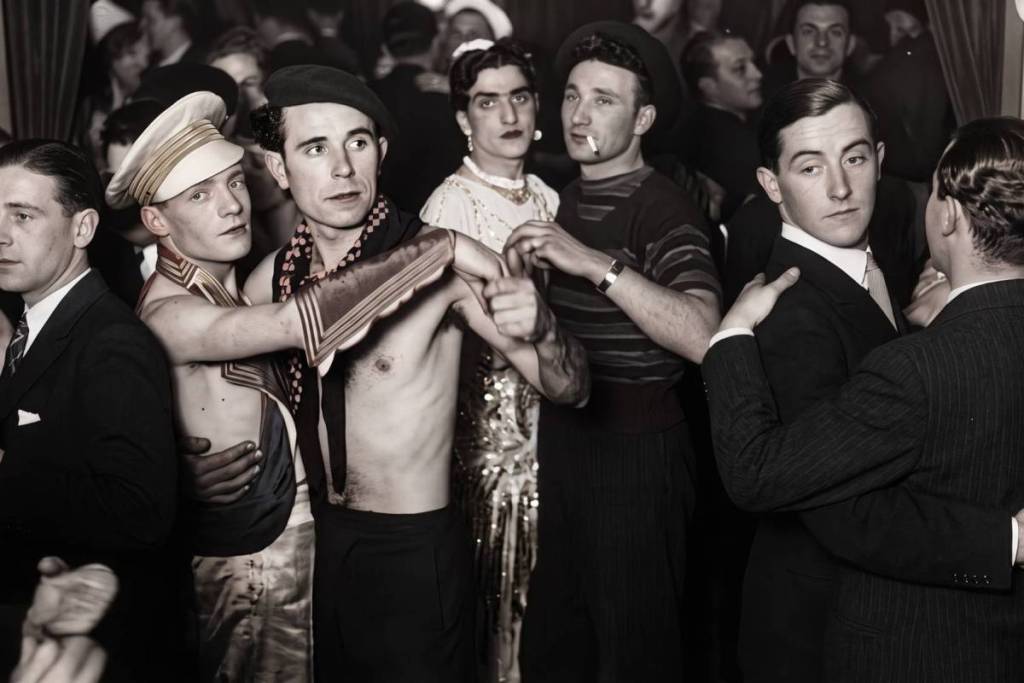
The club was best known for its spectacular drag shows, in which “female impersonators” and trans pioneers took the stage by storm. The Eldorado served as a colorful melting pot: here, gay, lesbian, and transgender people mingled with the city’s artistic and intellectual avant-garde. Even international celebrities frequented the world-famous establishment.
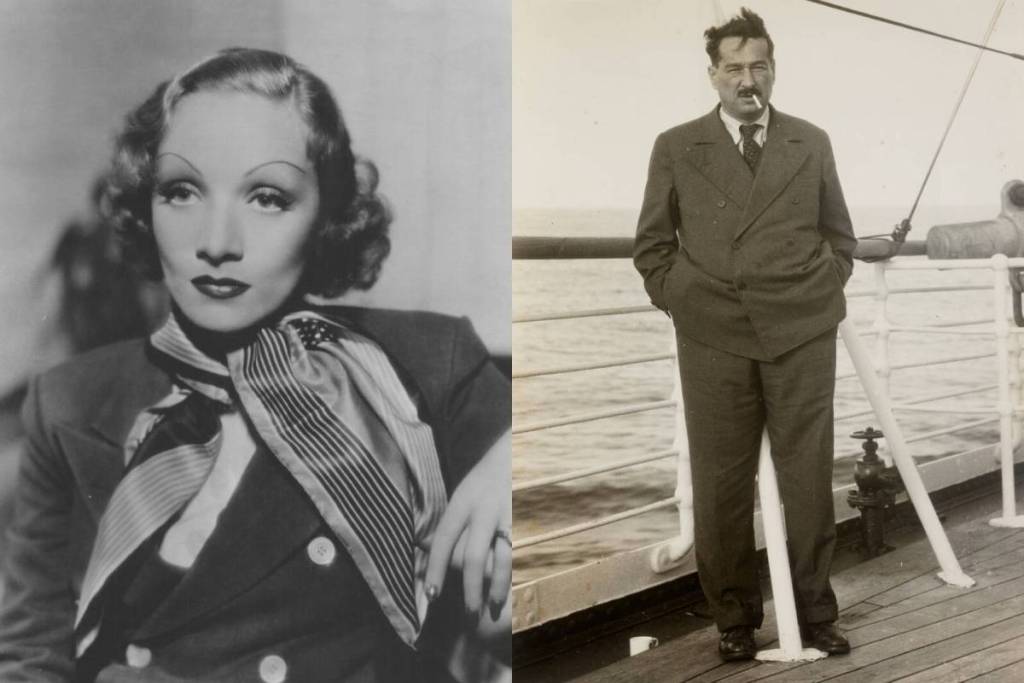
Film icon Marlene Dietrich, British writer Christopher Isherwood, and renowned reporter Egon Erwin Kisch were among the guests drawn to the establishment’s allure. Anyone who entered the club was immersed in a sheltered alternative world where social conventions lost their hold for a single night. A famous slogan of the club summed up this feeling: “This is the place!”
The Demolition of the Eldorado and the Legacy of Freedom
As the National Socialists gained strength, the Berlin scene came under increasing pressure. The NSDAP defamed the club as a center of “decadence” and moral decay. Shortly after Adolf Hitler seized power in 1933, the abrupt end followed: The Eldorado was shut down.
The building on Motzstraße was taken over by the SA and symbolically misused for its own propaganda purposes. Its closure marked the beginning of a brutal wave of persecution. In the years that followed, many regulars and artists were imprisoned, deported to concentration camps, or forced into exile.
Today, a commemorative plaque at the corner of Motzstraße and Kalckreuthstraße commemorates the venue’s eventful history. The Eldorado remains a timeless monument to lived diversity, the longing for self-determination, and the courage to embrace individual freedom.