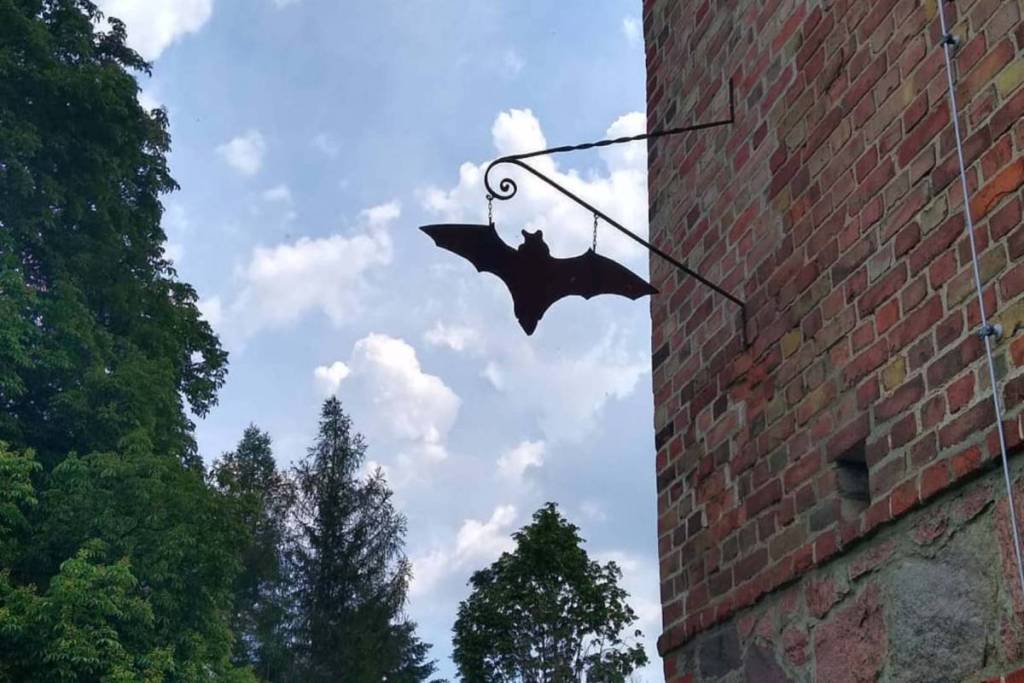

Art museums, medieval open-air museums, or brickworks —if you’re looking to discover historical and cultural attractions, there’s plenty to choose from in and around Berlin. But did you know just how diverse the offerings really are? Even bat enthusiasts will find something to enjoy: Right in the heart of the Märkische Schweiz Nature Park lies a historic estate, on whose grounds Germany’s only bat museum is now housed.
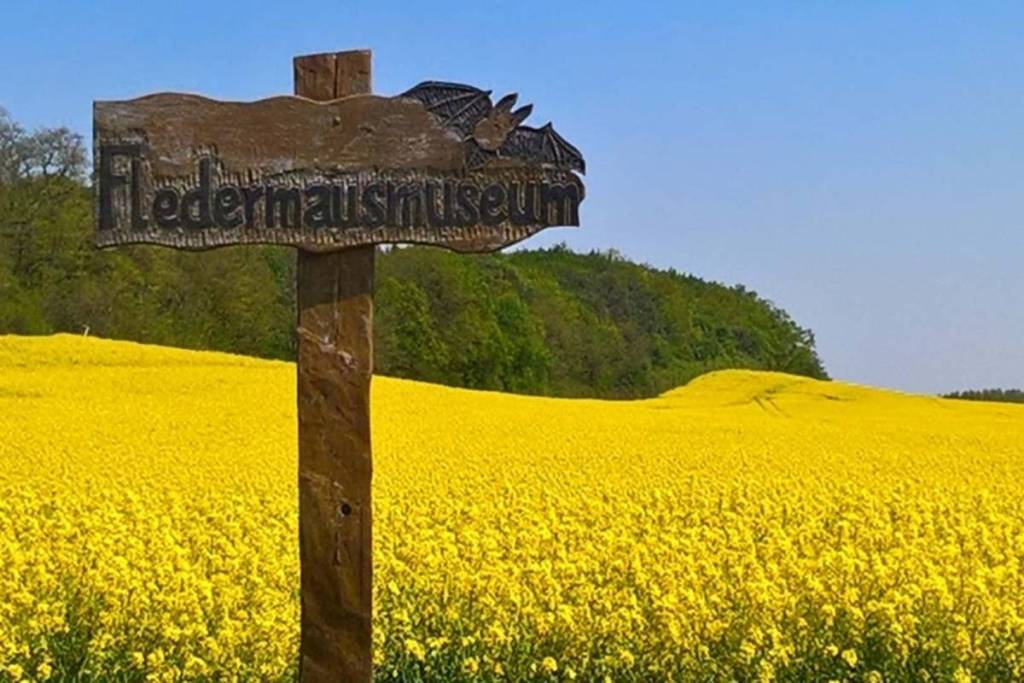
The museum combines nature conservation, species protection, and historic preservation, offering fascinating insights into the world of bats as well as the history of a historic ice cellar that now serves as a protected winter shelter for the animals. The museum is located in the small village of Julianenhof in the municipality of Märkische Höhe, about 70 kilometers east of Berlin. Its peaceful location in the heart of the Märkische Schweiz Nature Park makes a visit particularly appealing and can be easily combined with a hike or an excursion in the surrounding area.
The centerpiece of the museum is the historic ice cellar of the former estate. The underground structure dates back to the 19th century and, with a ceiling height of about five meters and a floor area of nearly 40 square meters, is one of the largest historic ice cellars in Brandenburg. Thanks to its exterior walls, which are up to 1.85 meters thick and feature integrated air chambers, ice could once be stored here for up to two years—long before electric refrigerators existed. Today, the restored ice cellar serves as a protected winter shelter for numerous bats and is also part of an exhibition on historical refrigeration technology. Here, visitors learn how food was once cooled without electricity and what elaborate techniques were required to do so.
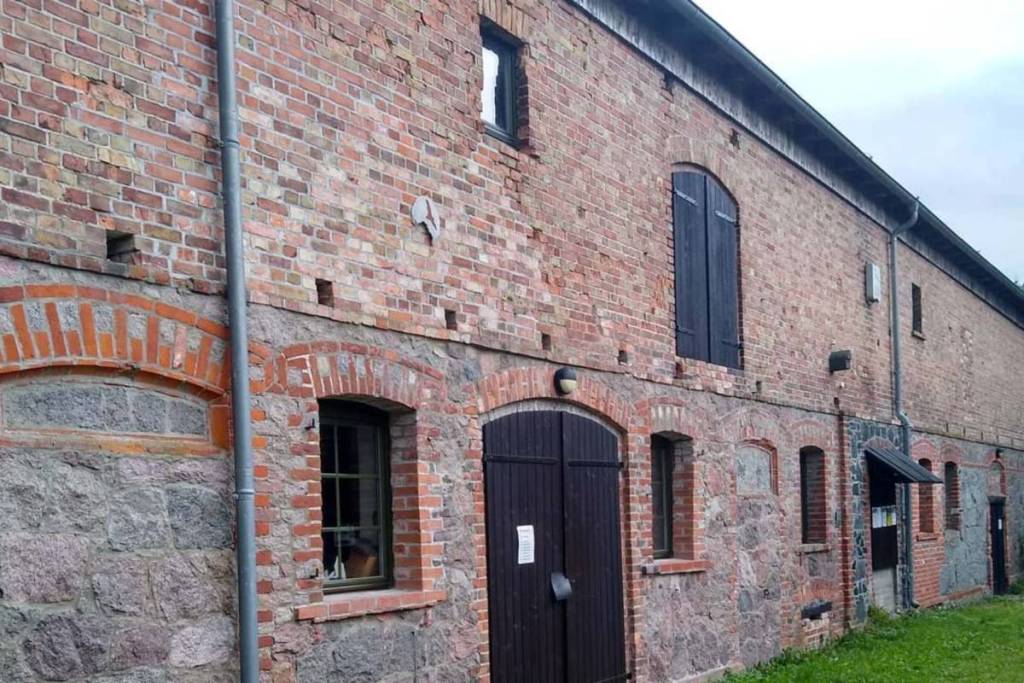
The museum’s history began in 1992, when conservationists discovered a rare barbastelle bat in the ice cellar, which at the time was in danger of collapsing and filled with trash. This discovery highlighted just how valuable the structure is as a winter roost for bats. Consequently, NABU developed the idea of restoring the historic estate and establishing a museum there dedicated to bat conservation. Since 1998, the complex has been renovated step by step and was finally opened in 2006 as the International Bat Museum.
In addition to the ice cellar, the museum offers numerous other attractions. In the former stable building, various exhibitions provide information about native bat species, their way of life, and research into them. There are also rotating photo exhibitions, historical artifacts, and a large collection of diverse bat boxes from around the world. Outside, a bat garden, a museum garden, and a historic settler’s barn invite visitors to explore.