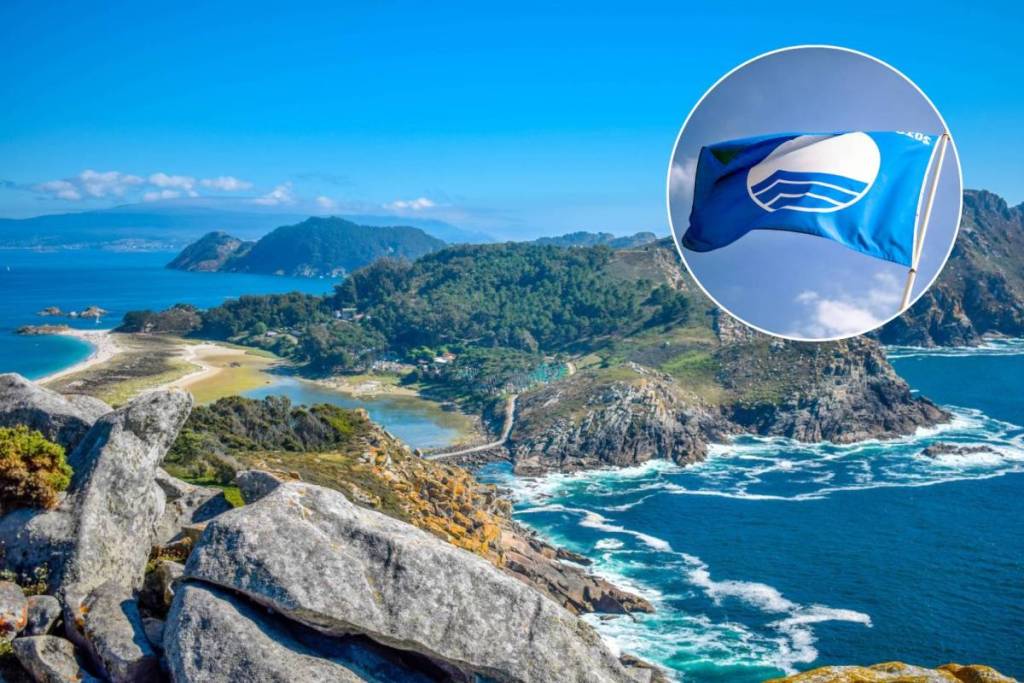

Spain is one of the world’s most popular travel destinations —especially for those who want to spend their vacation by the sea. No other country has as many Blue Flag (Bandera Azul) beaches. And it has topped the global rankings for years. These beaches are recognized for their water quality, cleanliness, infrastructure (including accessibility), and environmental management, among other factors. As a result, many coastlines are well-visited in the summer. But hidden among the well-known hotspots are still some true hidden gems that aren’t overcrowded even during peak season . We ’re introducing you to 9 of them .
Praia de Rodas (Cíes Islands, Galicia)
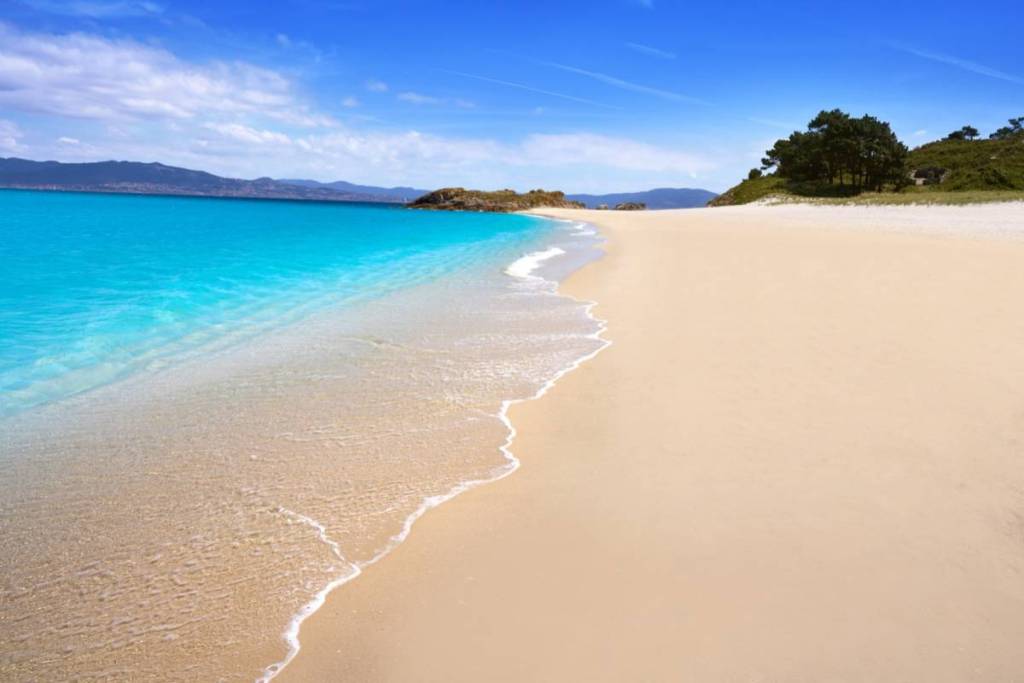
We’re all familiar with the Balearic or Canary Islands. But in northwestern Spain lies a very special archipelago that hardly anyone has on their radar. The Cíes Islands are part of a strictly protected national park that is a candidate for UNESCO World Heritage status. There you’ll find Praia de Rodas, which has been named the most beautiful beach in the world several times , with the finest sand, turquoise-blue water, and unspoiled nature. As a Blue Flag beach, this stretch of coastline also stands for excellent water quality, high safety standards, and strictly protected nature. Despite its popularity, you can still enjoy a soothing sense of tranquility there. To ensure this paradisiacal natural gem remains protected, the daily number of visitors is strictly limited. All you need to get there is an official permit and a ferry ticket.
Travel tip: The best option is to fly to Santiago de Compostela. From there, it’s just under 50 minutes by car or train to the port city of Vigo. You’ll cover the final leg by passenger ferry (Estación Marítima de Vigo), which takes you directly to the pier of the car-free Cíes Islands in about 45 minutes.
❗Since the number of visitors to the national park is strictly limited, you must apply online for a free visitor permit (Autorización) from the Galician regional government before booking your ferry.
Playa de Porcía (El Franco, Asturias)
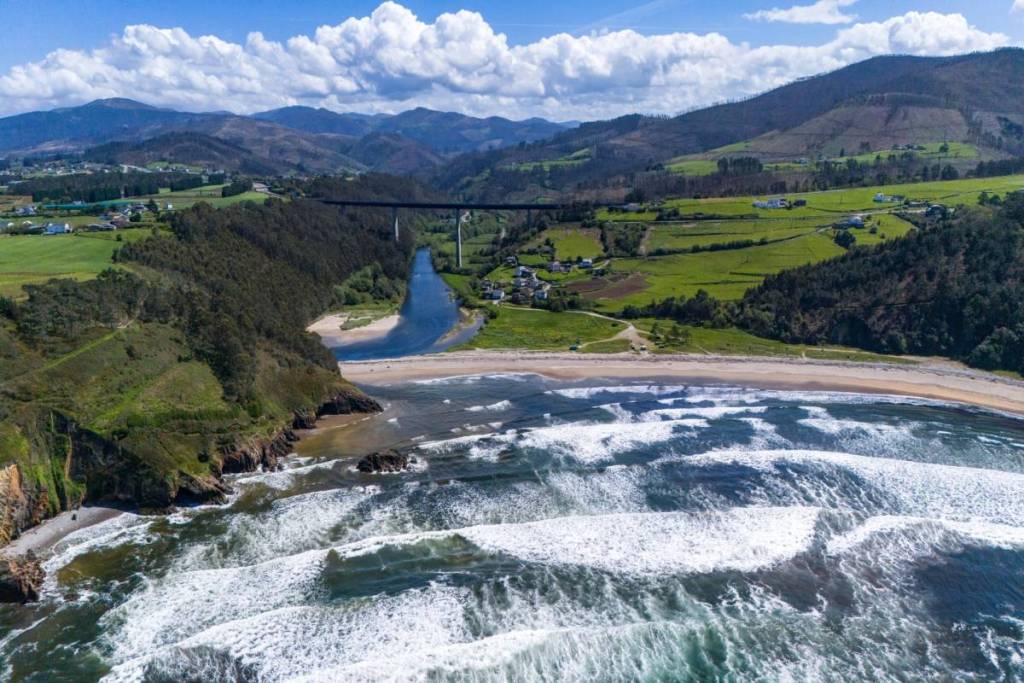
A true gem in Asturias is Playa de Porcía. The beach was awarded the Blue Flag for the first time just recently (July 2026) . Here you’ll find a varied landscape of sand, gravel, small dunes, and offshore rocky islets. A special highlight is the impressive way the river and sea landscapes come together here. The Río Porcía originates inland (in the Sierra de la Bobia) and flows northward for about 31 kilometers. Just before it reaches the sea, the river serves as a natural border between two Asturian municipalities. The unspoiled beach is easily accessible and is the perfect place to relax. You can actually drive quite close to the beach and park for free. Another hidden gem is the swing above the beach, where you can enjoy the panoramic view even better.
Travel tip: It’s best to fly to Oviedo (from Berlin, usually with a short layover, e.g., via Madrid/Barcelona or Frankfurt/Munich). From there, you can reach Playa de Porcía by rental car in about 1 hour and 15 minutes. Free parking is available right on the beach. Alternatively, take the ALSA bus to La Caridad or Tapia de Casariego, or the FEVE train to La Caridad. You can then cover the last few kilometers by taxi or on foot.
Platja de Piles (Piles, Valencia)
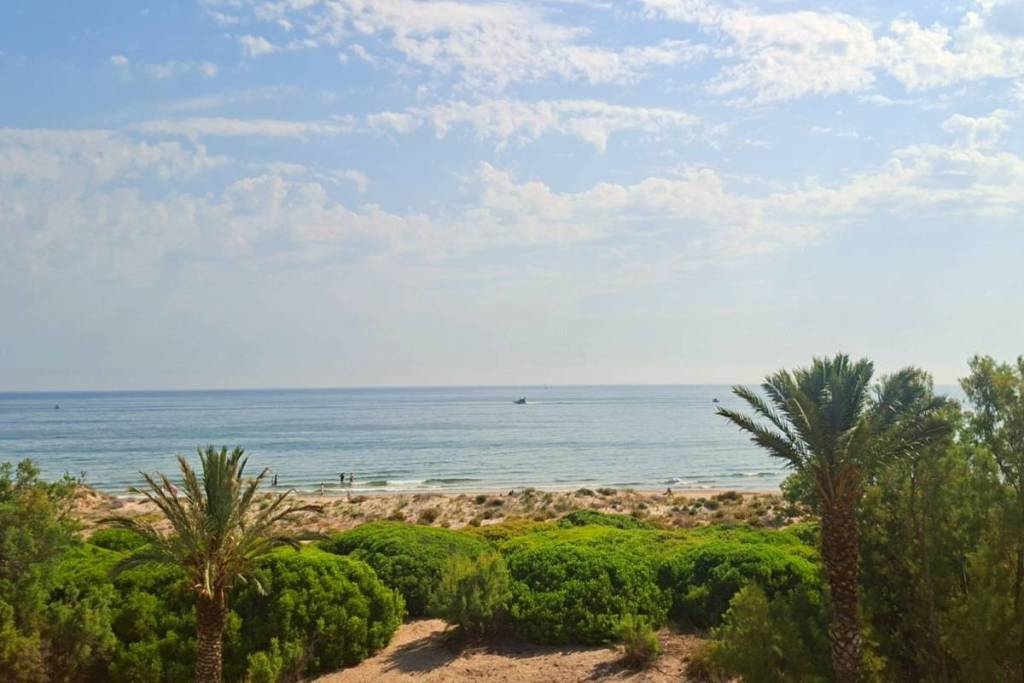
Playa de Piles is a true hidden gem on the Costa Blanca. In contrast to the towering hotels and crowded tourist beaches nearby, here you’ll find a kilometer-long sandy beach with fine sand, calm waters, and tranquil dune landscapes. Numerous play and sports areas make this barrier-free beach the perfect destination for families and anyone who likes to burn off some energy. And if you’re in the mood for a long walk on the beach or a refreshing jog, you can head north all the way to Miramar and on to Gandía. To the south, the beach takes you all the way to Oliva.
By the way, Playa de Piles was once again awarded the Blue Flag in 2026 —a seal of quality for clean water, high safety standards, and a well-maintained environment. And thanks to free parking and easy access , you can look forward to a relaxing day at the beach.
Travel tip: The nearest airports are Valencia to the north and Alicante to the south. From both locations, you can easily reach Piles—either by car or by bus/train to Gandía (from Valencia) or to Oliva (from Alicante). You can cover the rest of the way by taxi or bus.
Praia de Xilloi (O Vicedo, Lugo, Galicia)
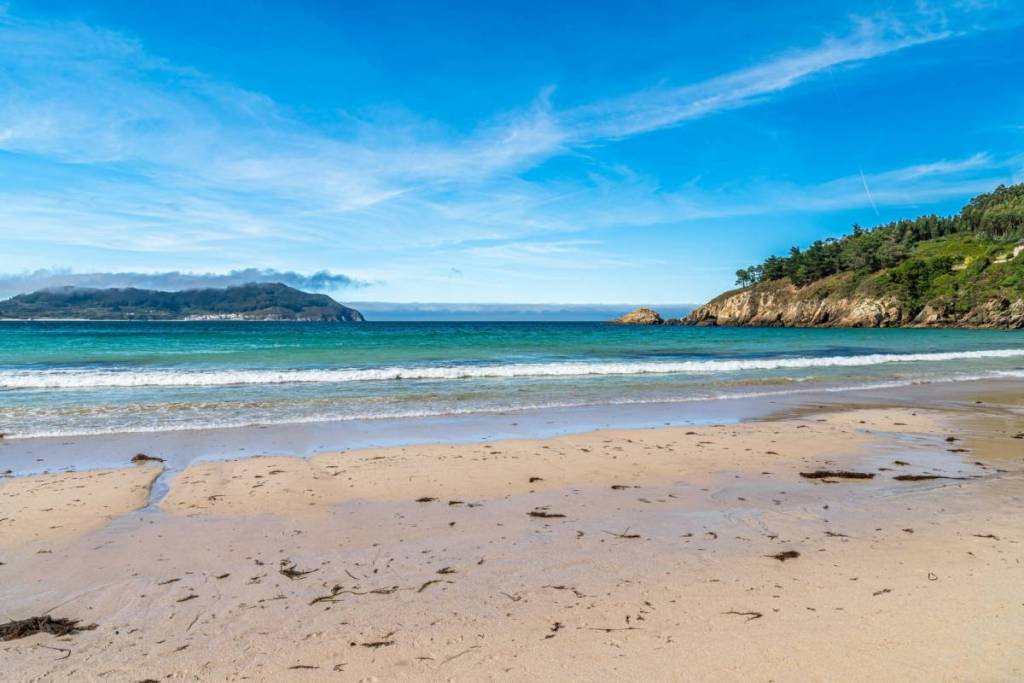
Praia de Xilloi near O Vicedo is the perfect proof that you don’t need palm trees to get that true vacation feeling. Fine white sand, pine trees, eucalyptus trees, and impressive cliffs create a dreamlike backdrop, while the sheltered location ensures mostly calm waters. The beach itself also remains free of crowds. Here, you’ll enjoy a more low-key tourist experience without having to sacrifice comfort or safety. The Blue Flag certifies excellent water quality, essential on-site services, and top-notch infrastructure. Wooden boardwalks lead you through the dunes to the sea. From the coast, you can enjoy a beautiful view of the Ría—a bay extending inland—and the port of Bares. As part of a protected nature reserve, Xilloi is also a great place to experience unspoiled nature and local birdlife.
Travel tip: Fly to A Coruña or Santiago de Compostela, rent a car, or take the regional train to O Vicedo. From there, it’s about 3 km to the beach, which you can only reach on foot or by taxi.
Playa del Parador (Mazagón/Moguer, Huelva, Andalusia)
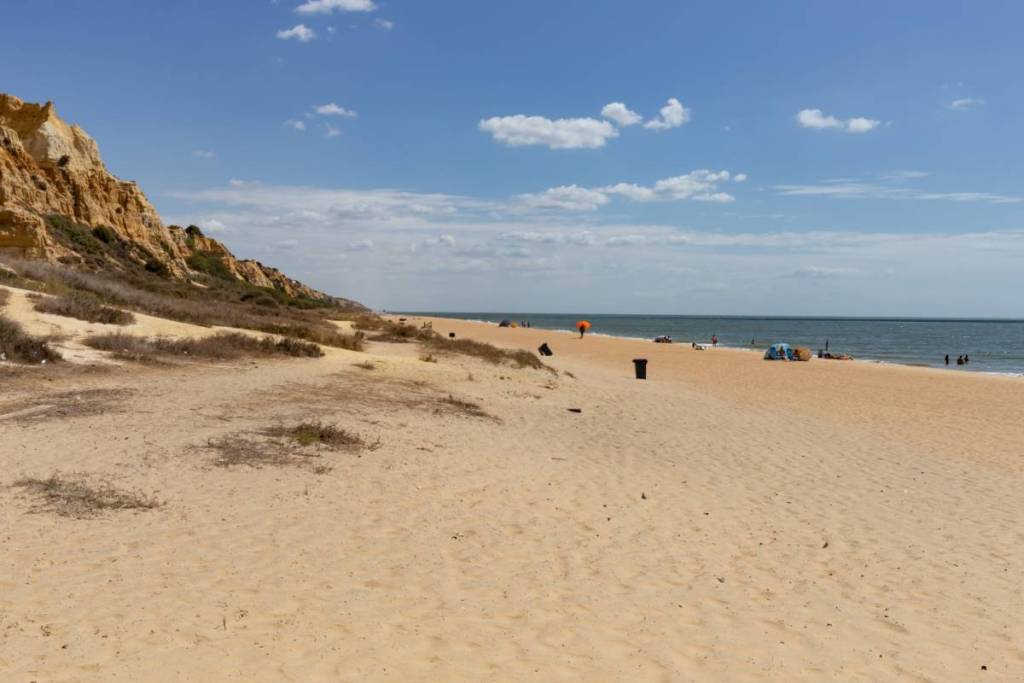
On the edge of Doñana National Park lies one of Europe’s longest unspoiled beaches. After a short walk through shady pine forests, you’ll reach a seemingly endless fine-sand beach framed by the impressive orange-red cliffs of the Acantilado del Asperillo. Instead of hotel complexes and beach promenades, what you’ll find here is nature, tranquility, and plenty of space to relax. The calm and very clean water makes for a particularly enjoyable swim. If you walk a little further east at the base of the cliffs, you’ll also find secluded, unofficial nude sections in absolute silence.
Travel tip: Depending on the season, there are direct flights from Berlin to Seville. From there, you can easily reach Magazón by car or bus in 1–2 hours.
Playa de Timijiraque / Playa de La Restinga (El Hierro, Canary Islands)
Two more of Spain’s top Blue Flag beaches are located on one of the Canary Islands—though not necessarily the one that first comes to mind: El Hierro. This gem is often underrated. As a result, you’ll find peace and quiet here away from the large crowds that tend to flock to the well-known beaches of Gran Canaria or Tenerife. Playa de La Restinga in the south delights visitors with crystal-clear, calm waters and a laid-back fishing village right on the sheltered Mar de las Calmas. In contrast, Playa de Timijiraque on the east coast stands out with a spectacular backdrop of black volcanic sand, turquoise-blue sea, and green cliffs.
Travel tip: Simply fly directly to Tenerife or Gran Canaria —and then head to El Hierro by plane (about 40 min) or ferry (about 2.5 hours).
Platja de Riumar (Riumar, Tarragona, Catalonia)
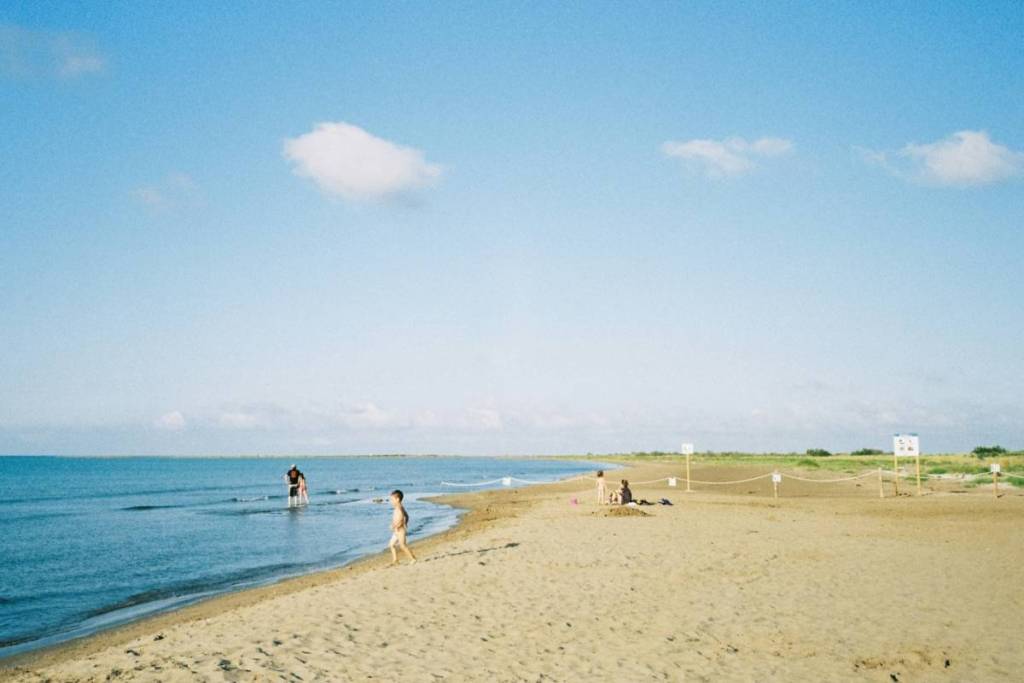
Platja de Riumar is one of Catalonia’s most beautiful natural beaches. It’s located in the heart of the Delta de l’Ebre Natural Park and is one of the few beaches in the region where natural dunes still exist , which you can cross via wooden footbridges . The gently sloping water makes the beach particularly family-friendly, while the winds offer ideal conditions for surfing. From the lookout point at the end of the beach, you’ll have a great view of the El Garxal lagoon and the Ebro River’s mouth where it flows into the Mediterranean Sea. One of Europe’s most important wetlands also stretches around the beach. With a little luck, you might even spot flamingos, herons, storks, and many other bird species. And although the beach is wonderfully unspoiled, you don’t have to sacrifice comfort: parking, showers, beach bars, and water sports rentals are all available. For this reason, Playa de Riumar has been deservedly awarded the Blue Flag.
Travel tip: Fly to Reus or Barcelona. From Reus, you can reach the beach by car in about 1 hour; from Barcelona, it takes about 1.5 hours. By public transportation, take the train from either city to L’Aldea-Amposta-Tortosa and transfer to the shuttle bus or a taxi. From there, it’s only about 20 minutes.
Playa de La Arena (Isla de Arnuero, Cantabria)
The sandy beach Playa de La Arena, just under one kilometer long, is idyllically situated at the mouth of the Río Campiazo and is surrounded by a beautiful natural landscape. In addition to a family-friendly main section, you’ll find quiet coves here as well as a natural area that gently transitions into a nude beach section . Especially convenient: Playa de La Arena is certified as accessible and proudly flies the Blue Flag— a guarantee of excellent water quality, cleanliness, and the highest safety standards.
Platja de Puçol (Puçol, Valencia)
Just about 25 minutes from Valencia lies Playa de Puçol —a sandy beach over two kilometers long where you can usually still find a quiet spot even in the summer. Despite the relaxed atmosphere, you won’t have to do without anything: The beach offers all the essential amenities for a great day at the beach. Thanks to its Blue Flag certification , you can also count on excellent water quality, high safety standards, and a well-maintained environment. This makes Playa de Puçol a great alternative to the often more crowded beaches around Valencia.
Travel tip: From downtown Valencia, the regional train (Cercanías) will take you comfortably to Puçol. You can cover the last few meters to the beach by shuttle bus, taxi, or on foot. However, a rental car will get you there even faster and give you more flexibility.
You’ll hardly have the beaches all to yourselves in the summer. But compared to many well-known beach resorts, the atmosphere here is much more relaxed. So: Discover Spain’s hidden beach gems!