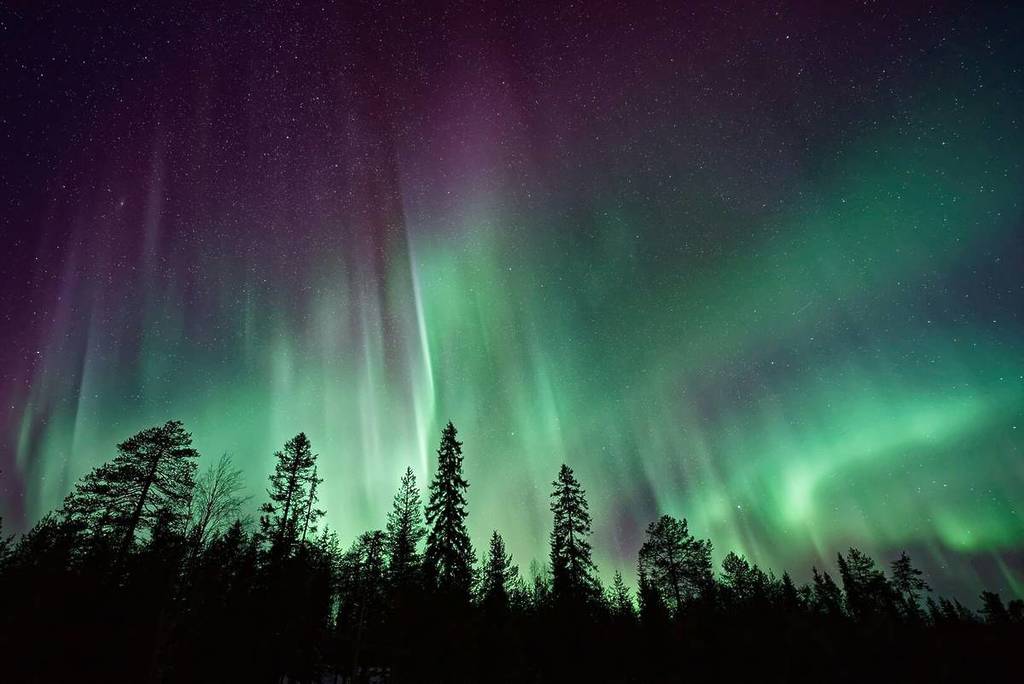
Auroras belong to Scandinavia or Iceland? Wrong, because the sky over Berlin also offers exciting news time and again. Instead of traveling to the far north, there is actually a chance that we can see auroras over Germany today! And right now in winter, Berlin has particularly good conditions for cosmic light shows.
The auroras are created when high-energy particles from the sun hit the Earth’s magnetic field. There they collide with gases in the earth’s atmosphere (mostly oxygen and nitrogen), which leads to the emission of light in different colors. Normally, the lights are drawn to the poles, where the sky shines in the famous colors. But when geomagnetic activity reaches exceptionally high levels, the veil of light extends far to the south. And that is exactly the case today.
Northern lights in the Berlin night sky
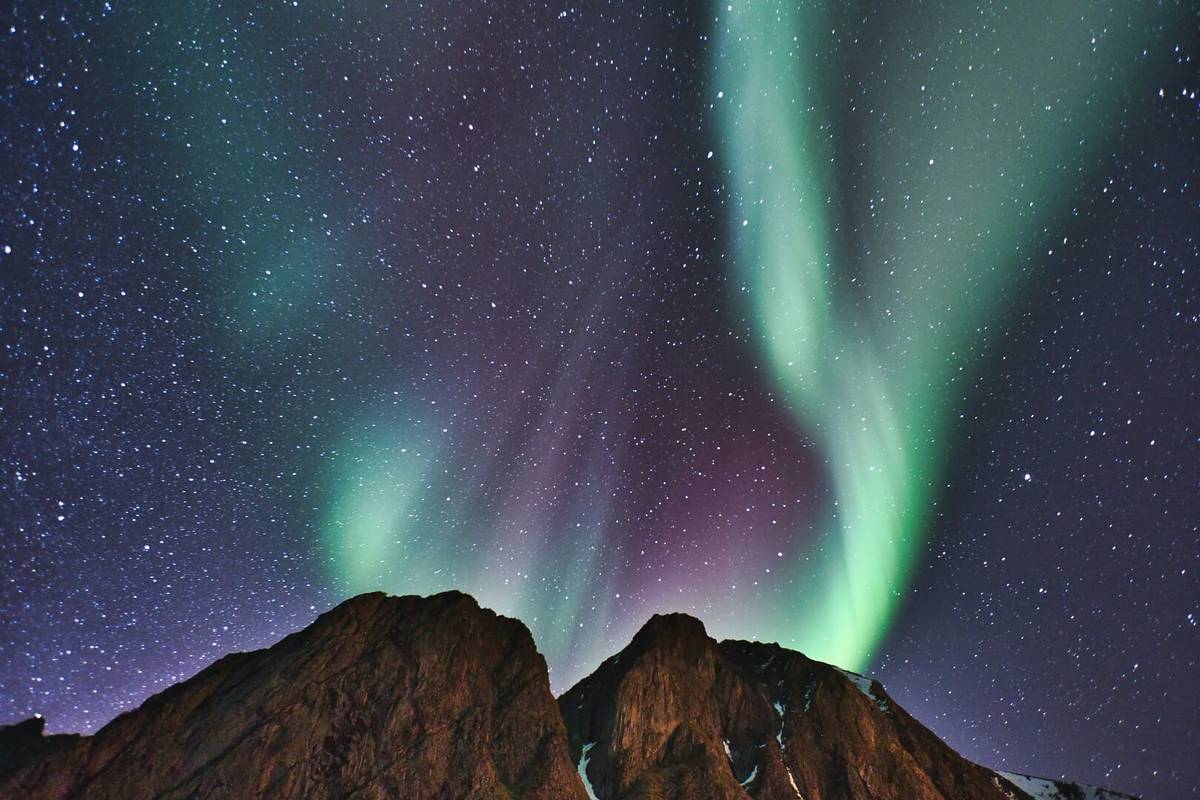
The current solar storm is strong, so the Northern Lights could also be spotted in Germany. This has already happened a few times this year and is expected to happen even more often. The analyzed data shows a high probability of auroras this night! This is because the next solar storm is due to reach the earth today in the late afternoon and early evening.
Whether the auroras can really be seen over Munich is of course not 100 percent certain. But the probability is high. We will probably not see the famous green orbits, but something weaker. Due to the great distance, they are usually visible as a faint, reddish glow low on the northern horizon. Either way – you shouldn’t miss this unique event.
This is the best way to discover the natural phenomenon
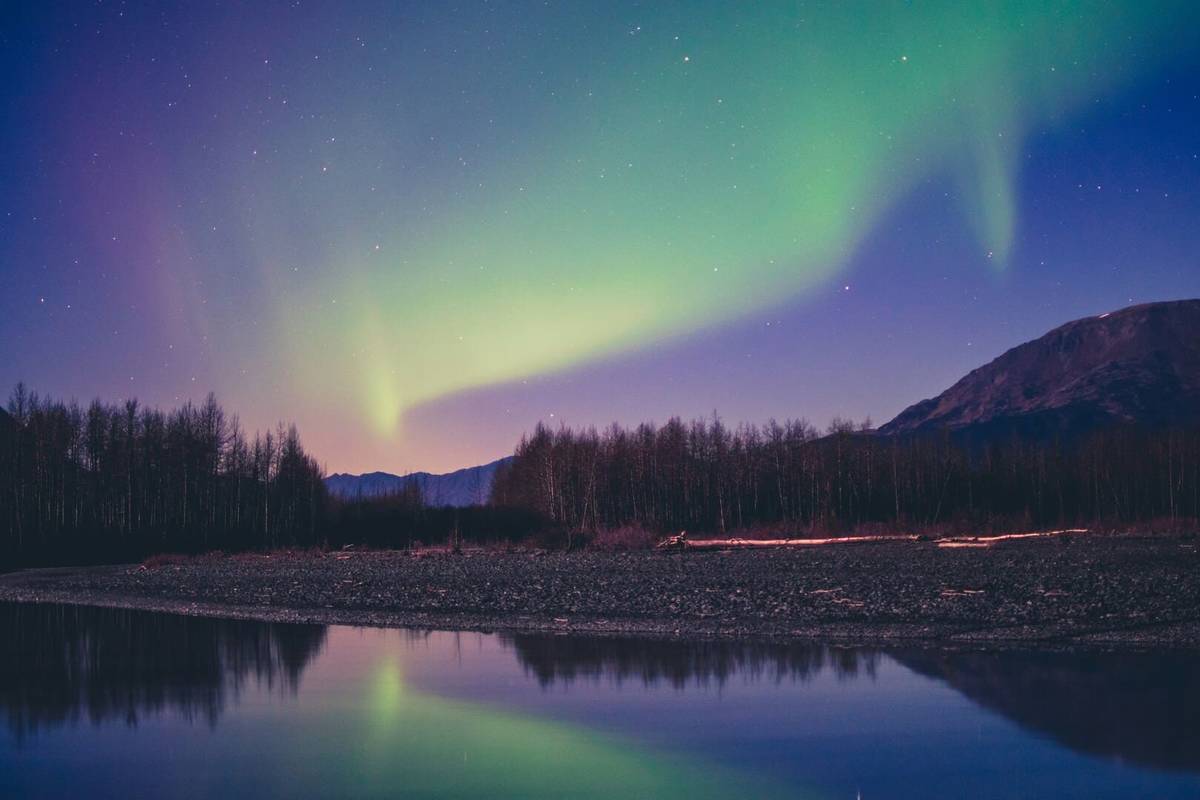
The biggest obstacle for Berlin skywatchers is the extreme light pollution in our metropolis. If you want to be successful in Berlin or Brandenburg and discover the Northern Lights, you have to leave the city behind and head to the darkest corners. Travel to Brandenburg’s lakes or seek out rural areas such as the Westhavelland Nature Park. Within the city, elevated places with as few buildings as possible are ideal (if not a planetarium). Try the Teufelsberg or Drachenberg for an elevated position with a clear view to the north.
And for photography enthusiasts, here are a few tips to help you capture the play of colors of the Northern Lights on your camera. Long exposures are a must: SLR or modern system cameras can capture the low light for 10 to 30 seconds. It is best to use a tripod and set the aperture to the lowest value (e.g. f/2.8) and the ISO value high (e.g. 1600-3200). You can track the auroras even better via apps such as “Aurora” or specialized websites that track the current value of the solar storms live. This way you won’t miss the best time for the celestial spectacle.