

Ever heard of music curators? A question that many people would probably answer with a “no”—and that’s not particularly surprising. The role is still relatively unknown to most people who haven’t necessarily had any personal experience with the music industry. Yet it is extremely essential and incredibly important for the smooth planning of a concert production.
Behind the scenes of flagship experiences like Candlelight and other productions by Fever Originals lies a global team that ensures the highest musical quality is delivered on these world-class stages: the Fever Music Team. We sat down with the experts for an open conversation and gained some exciting insights into their daily duties, joys, and challenges.
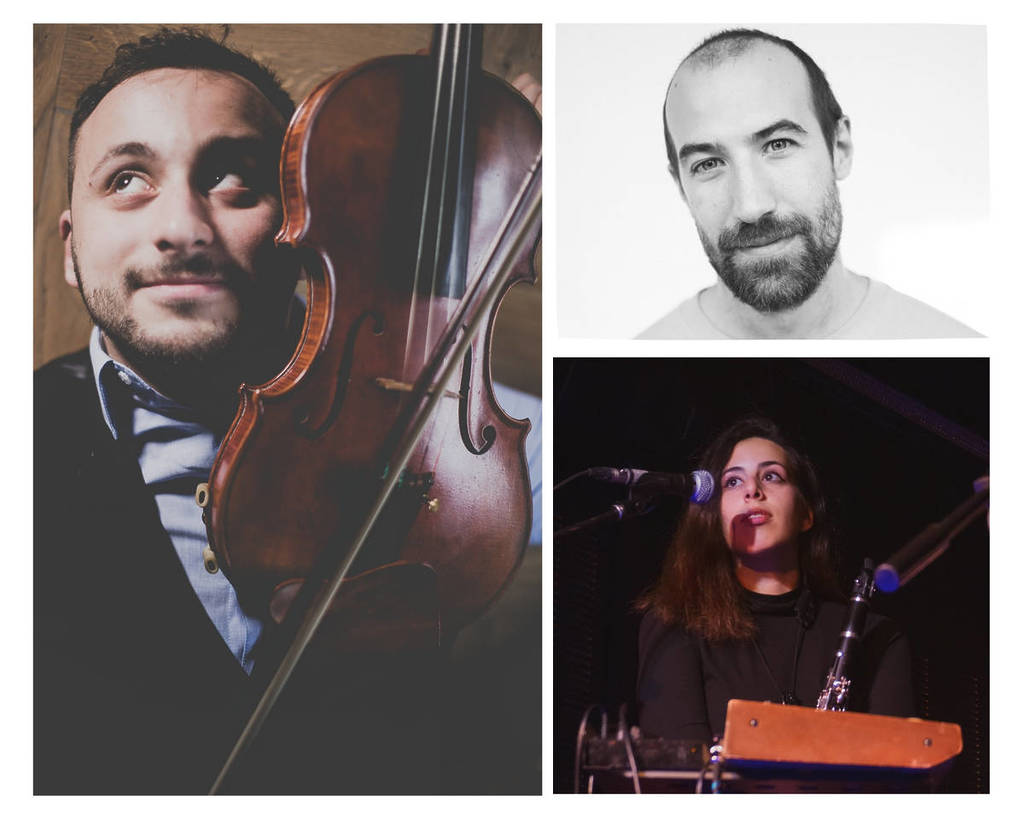
The highly qualified team behind the scenes
The role of music curators is multifaceted and combines diverse tasks—from routine business operations to creative work such as discovering new music and overseeing arrangements. The common thread: it’s work that takes place behind the scenes.
Behind Fever’s globally successful Candlelight concert series stands a highly qualified team of 14 international experts who bridge the gap between sophisticated theory and the electrifying energy of a live show. Among them are musicologists with doctorates, graduates of master’s programs in music philosophy, and even former Broadway performers. They are the ones who decide which pieces will be performed for each program, how they will be arranged, and who will ultimately bring them to the stage.
Instead of simply compiling playlists via algorithms, they act as an artistic control center: they scout talent, design programs, and scrutinize every note. Their goal: concerts that don’t feel like a rigid product, but rather like a genuine, one-of-a-kind cultural experience.
The Science of the Setlist
What the audience perceives as a relaxed concert evening is, in reality, the result of precise analysis. The curators combine academic knowledge with practical musical experience—many of them are active cellists, violinists, pianists, or drummers themselves. This ensures that Candlelight’s tributes, which draw from many different genres, can be adapted to a classical ensemble—such as a string quartet or a piano—without any technical issues.
Creating a setlist is a science in itself: popularity, dramaturgy, cultural context, and musical feasibility are carefully weighed. The intention is to strike a balance between well-known hits and “hidden gems,” always with the aim of appealing to both die-hard fans and newcomers.
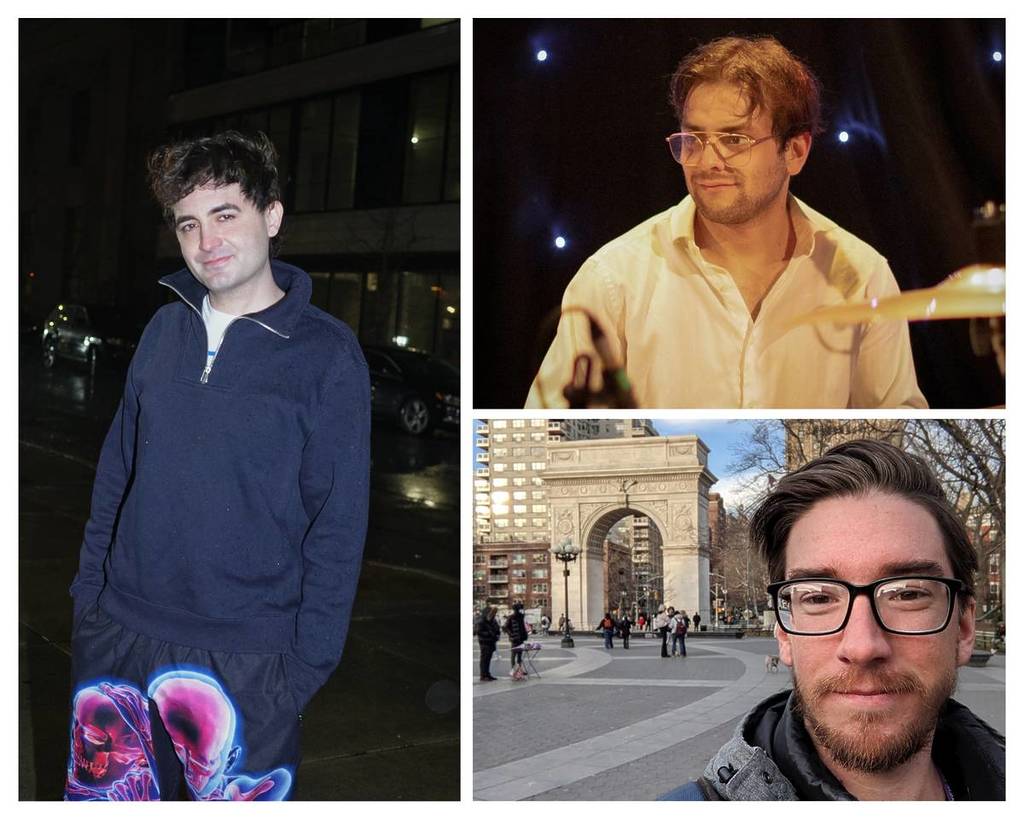
Despite its global structure, the team operates with a strong local focus. Each region has its own curators who understand the cultural nuances of their market. After all, music simply works a little differently in Berlin than it does in São Paulo. This local expertise is crucial for developing programs that truly resonate and aren’t based solely on global trends.
The curators’ work goes far beyond simply selecting music. They act as a kind of “musical private detective”: they scour social media, archives, and various networks to find the best local talent, while simultaneously serving as a bridge between business and art by translating commercial requirements into a language musicians understand—without sacrificing their artistic integrity.
Their vision: Classical concerts should not feel like a gallery where you view ancient works of art, but rather “be part of an ongoing dialogue with culture, shaped by it and simultaneously helping to shape it.”
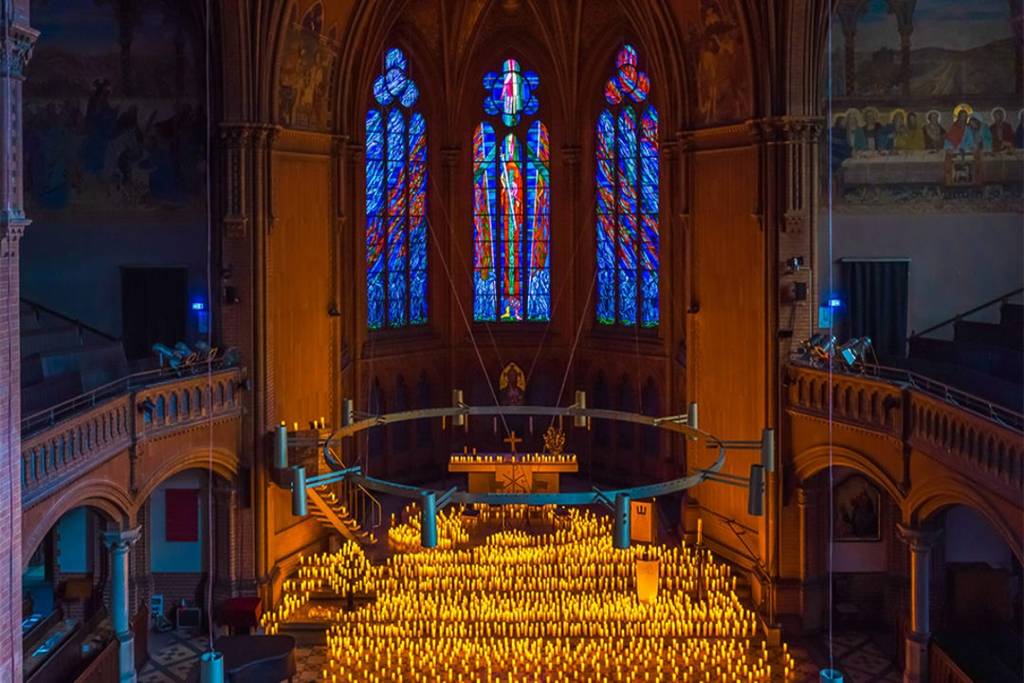
Human expertise instead of cold algorithms
When it comes to AI, the Fever Music Team’s stance is balanced: there are definitely certain tools that can be helpful for organizational tasks or data processing, but the actual creative curation remains deliberately in human hands. For the curators, music is not a data set, but a living work of art that requires experience, intuition, and real emotions.
The curators’ commitment to quality is deeply embedded in their work. Technology is used as a useful tool to free up more time for those tasks that an algorithm simply could never handle. Ultimately, their goal is not just to produce concerts, but to create experiences that touch people —and that can only be achieved through genuine artistic expertise. In an industry that is rapidly becoming increasingly digitized, the curators are thus doing their part to preserve the humanity that defines music for us.
Curators: Pablo Moreno Sánchez, Robert Tyler Bechtle, Javier Calderari Torres, Ricky Schweitzer, Ana Sofía Vela Ramirez, Andree-Ann Deschenes, Hyunmin Kang, German Ocampo Barrera, Adrian Martens, Paula Gonzalez, Paula Flores, Lulu Whittington, Ross Raymond Mccaw, and Aalok Gandhi