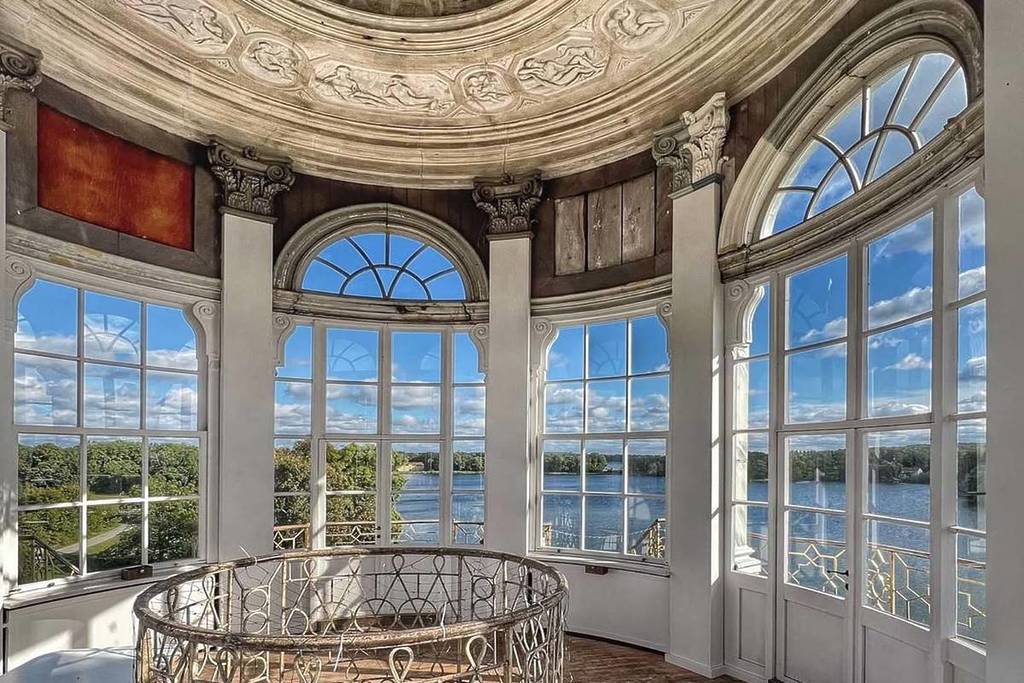

People often think they have to leave the country to find true idyll. Yet the region around Berlin is brimming with natural treasures, architectural landmarks, and special places. From fairytale-like palace gardens to extraordinary swimming lakes for the coming warm days—there are more than enough opportunities to soak up that true vacation feeling in Brandenburg . For anyone who can’t get enough of Germany’s magnificent palaces, we have a special recommendation today: The Marmorpalais is one of Brandenburg’s most elegant palaces and is located in Potsdam, just about 40 minutes from Berlin.
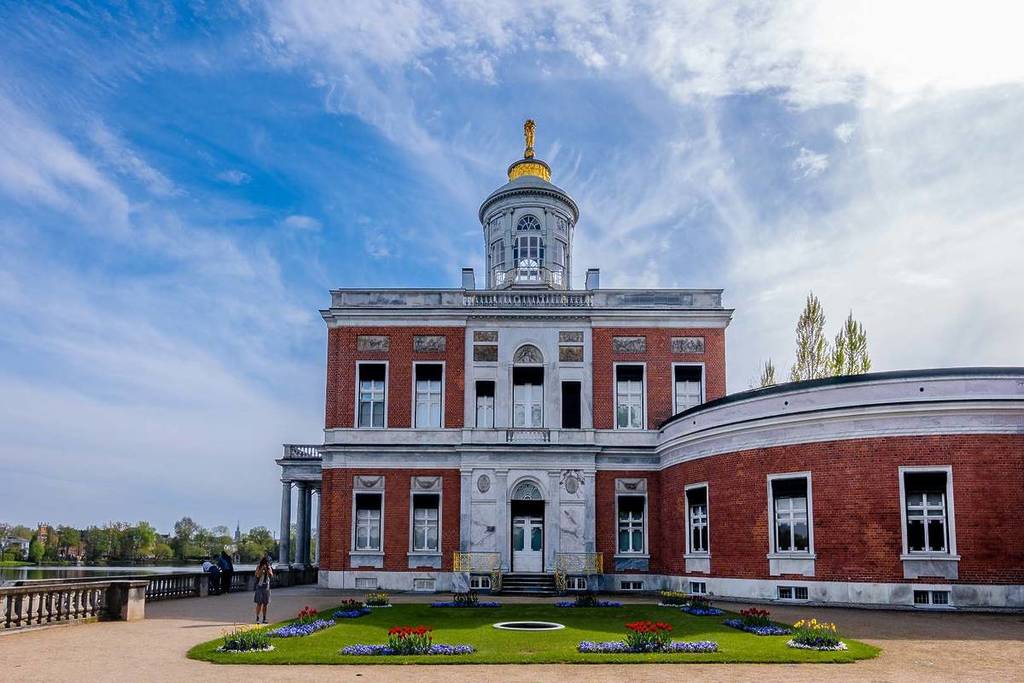
It is situated directly on the shores of Lake Heiliger See and nestled within the expansive Neuer Garten, one of the region’s most beautiful parks. This exceptional location creates an almost Mediterranean atmosphere that reminds many of Lake Como. The palace is part of the UNESCO World Heritage site “Palaces and Parks of Potsdam and Berlin” and is thus one of Germany’s most culturally significant sites
The Marble Palace was built between 1787 and 1793 for the Prussian King Frederick William II. Unlike many other residences of its time, it was not primarily intended for ceremonial purposes but rather as a private retreat. The king used the palace mainly for personal stays, cultural gatherings, and intimate social events.
Architecturally, the Marmorpalais is an outstanding example of early Classicism in Prussia. It was designed by Carl von Gontard and Carl Gotthard Langhans, among others. The building is characterized by clear, geometric forms and a minimalist design . Particularly striking is the combination of red brick and white marble, which gives the palace its name and creates a strong, elegant contrast. Compared to the opulent Baroque buildings of the time, the Marble Palace appears almost modern and deliberately minimalist.
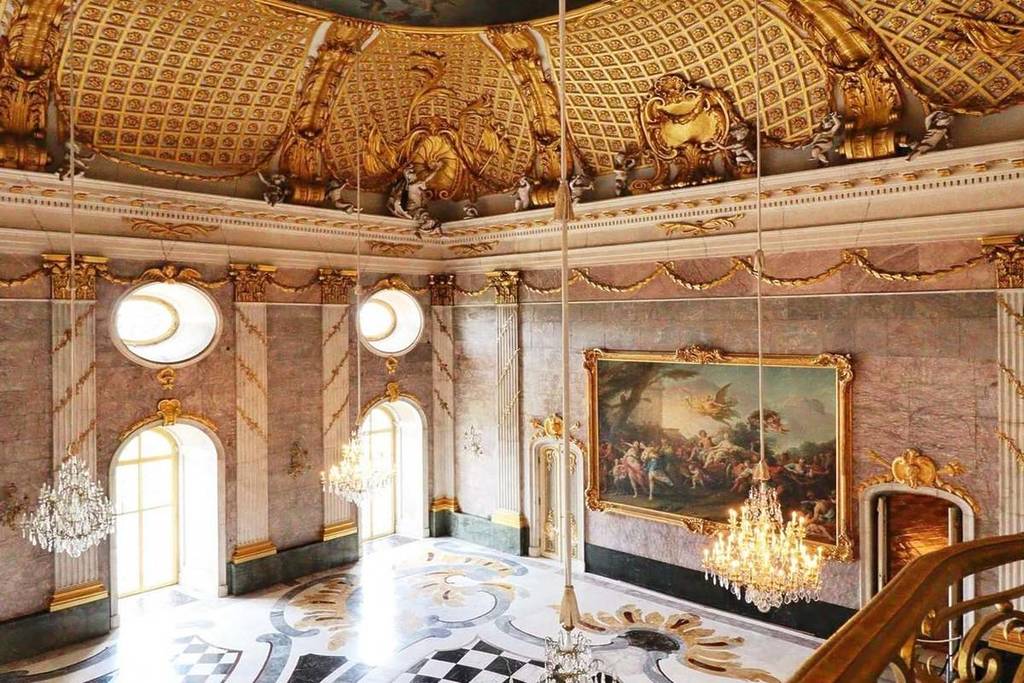
This impression continues inside as well. The rooms are furnished with high-quality materials such as silk, wood, and marble, yet never appear overloaded. Instead, an elegant, intimate atmosphere emerges, reminiscent more of stylish living spaces than of opulent halls . A special highlight is the so-called Grotto Hall in the basement. This room is decorated with shells, glass, and artificial rocks and resembles an artificial sea grotto. For a Prussian palace, such a room is extremely unusual and lends the building an almost playful, surprising touch.
Just a few minutes’ walk away is Cecilienhof Palace, which became world-famous primarily due to the Potsdam Conference and further enhances the historical context of the area.