 Photo: @dirkgirlich (Instagram)
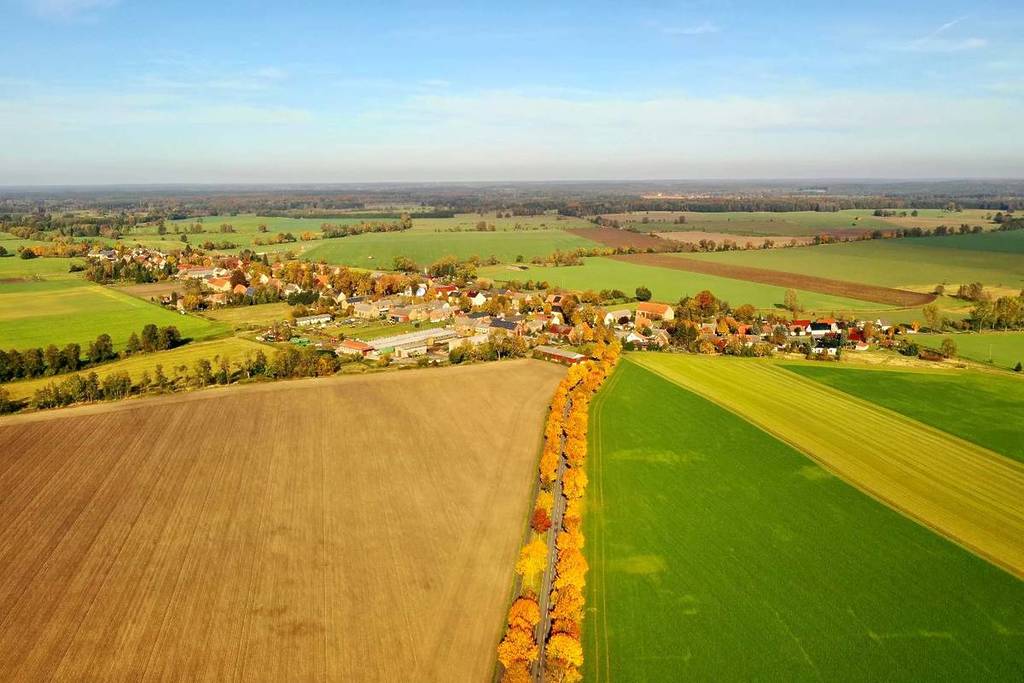
This small green spot with only around 200 inhabitants is located in the Oberhavel district in northern Brandenburg, about 50 kilometers north of Berlin. Liebenberg is located in the Granseer Platte and is surrounded by lakes, forests, and largely untouched nature.
Lake Liebenberg is one of the largest bodies of water in the district and is part of the glacial lake landscape of northern Brandenburg. It was formed by melting glaciers at the end of the last ice age, which is why its shape is natural and elongated rather than man-made. The lake is not only scenic, but also ecologically valuable: it provides breeding grounds for water birds such as great crested grebes, herons, and ducks, habitat for amphibians such as frogs and newts, and an important refuge for fish and aquatic insects. It is also part of a cultural landscape in the Löwenberger Land region that is particularly worthy of protection, characterized by low industrial development, abundant unspoiled nature, high biodiversity, and a significant influence on the local microclimate.
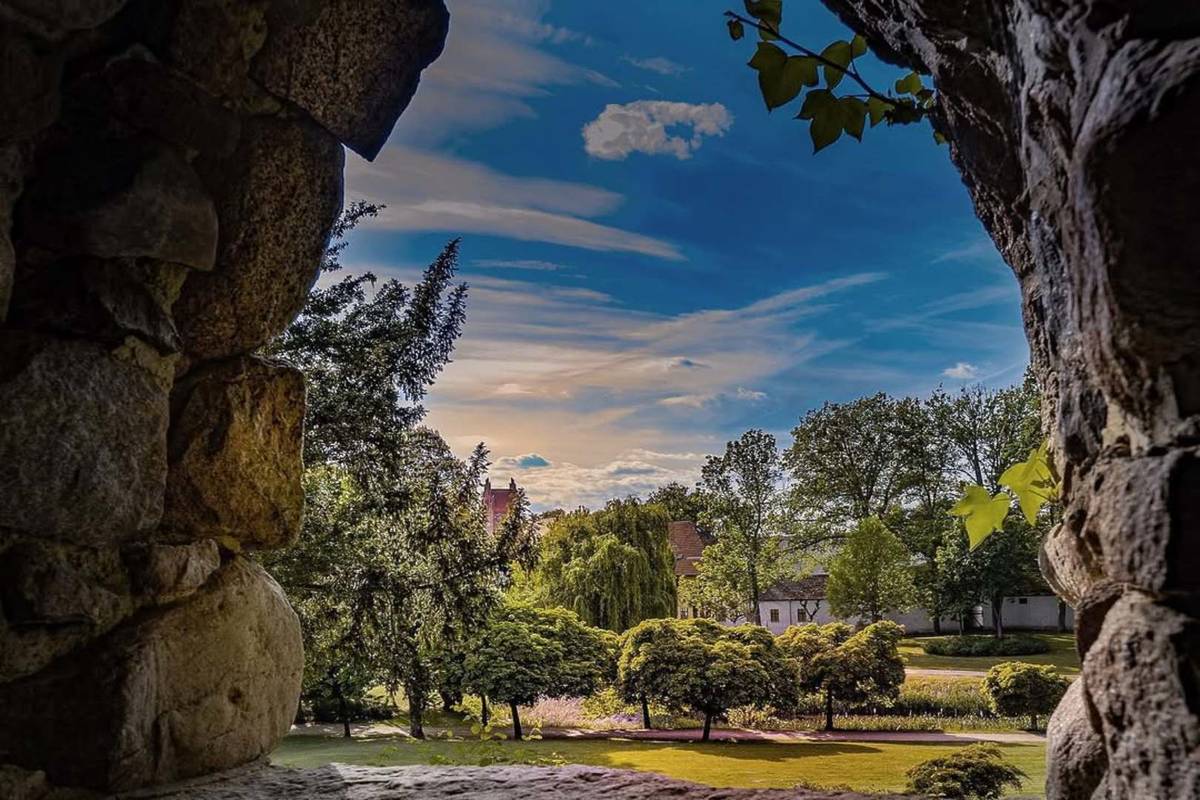
The peninsula in the lake is particularly fascinating and makes it historically unique. Here you will find a castle ruin – the site of the former Liebenberg Castle, of which only earthworks, ditches, and foundation remains are preserved today.
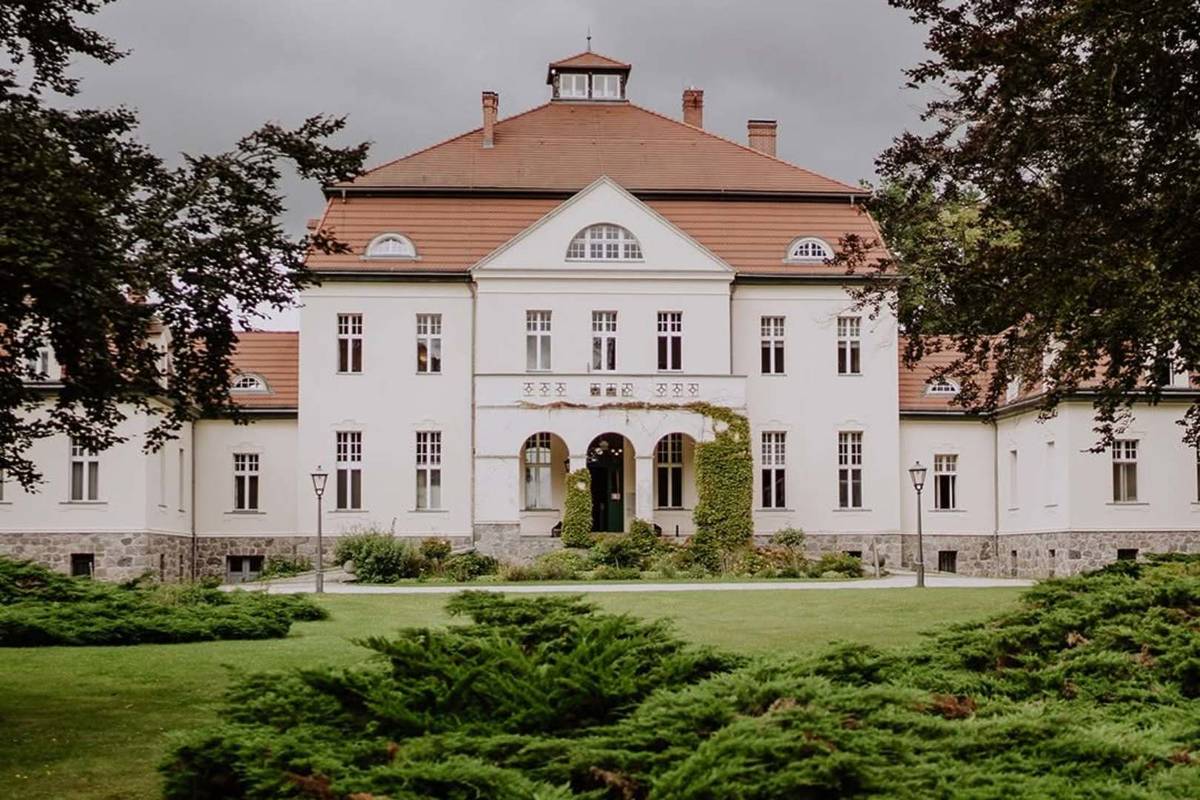 Photo: @schlossgutliebenberg (Instagram)
What makes the place even more special is Schloss & Gut Liebenberg, on whose grounds Brandenburg’s most traditional Christmas market takes place during the Christmas season. The historic castle and former manor house is one of the most important aristocratic residences in northern Brandenburg and is now a protected ensemble consisting of the castle building, the estate, the landscape park, the park grounds, and other historic buildings.
Fun fact: The name “Liebenberg” roughly means “village on the beloved mountain” — a typical medieval place name intended to describe a particularly beautiful or desirable location.