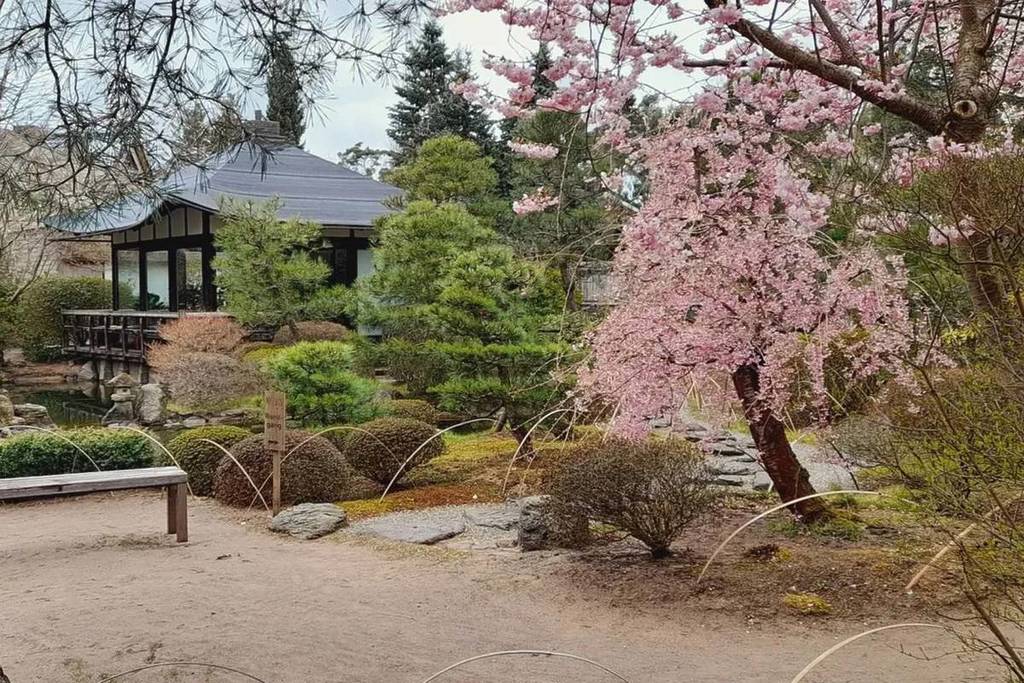

While Berlin entices with events, new openings, and plenty of action, there are certainly quiet places to linger here as well, yet nothing compares to the tranquility outside the city . From the famous Birnendorf in the Havelland region, shaped by Theodor Fontane, to an Optics Park that uniquely blends technology and nature—and that’s not all. The Japanese Garden in Ferch, often also called the Japanese Bonsai Garden Ferch , is one of the most beautiful destinations in the Berlin area. The grounds feel peaceful, aesthetically pleasing, and almost meditative—so much so that for a moment you feel as though you’re in Japan, even though you’re in the middle of Brandenburg.
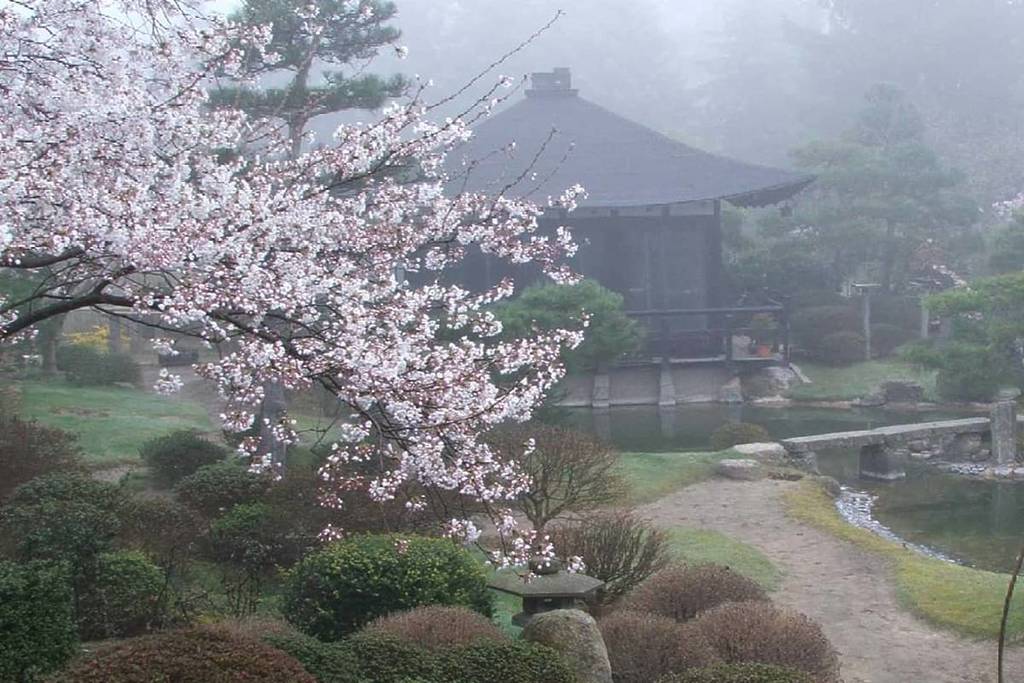
The garden is located in the village of Ferch, part of the municipality of Schwielowsee, southwest of Potsdam and directly on the lake of the same name. The address is Fercher Straße 61, 14548 Schwielowsee (Ferch district). The surrounding area is characterized by forests, rolling hills, and the waters of Lake Schwielowsee. From Berlin, you can reach the garden in about 45 to 60 minutes. Ferch itself is a state-recognized resort town and known for its particularly peaceful, natural setting.
The garden is not a traditional park, but an artfully designed Japanese experiential space. The focus is on Japanese garden art and culture, which are combined here with nature, architecture, and philosophical elements. The entire site is a family-run project. It is not just about looking, but above all about the conscious experience of tranquility, balance, and mindfulness.
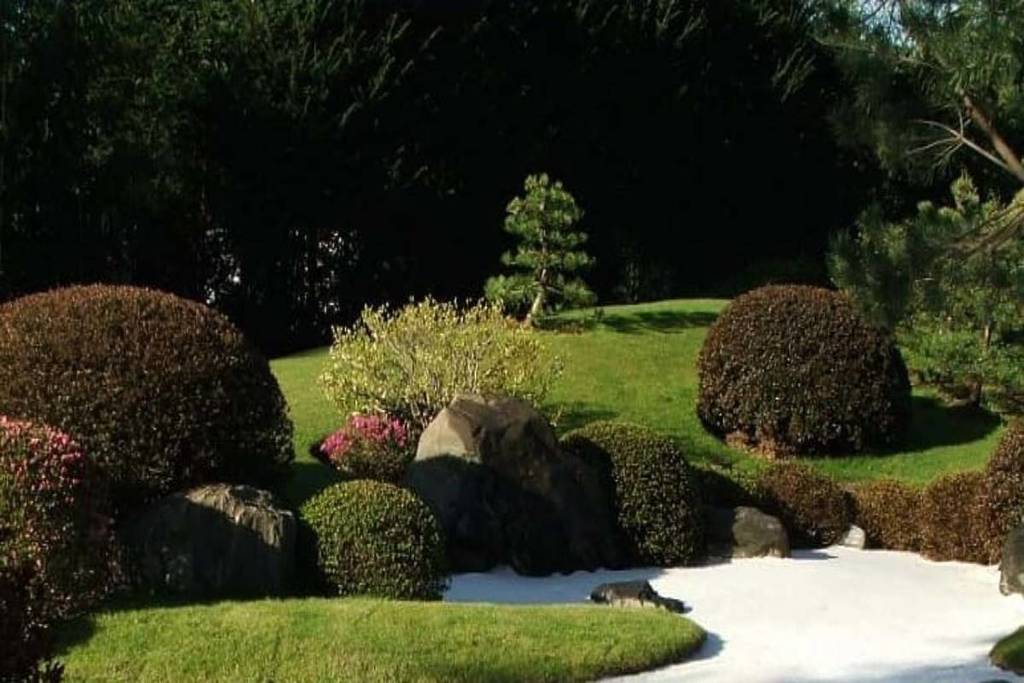
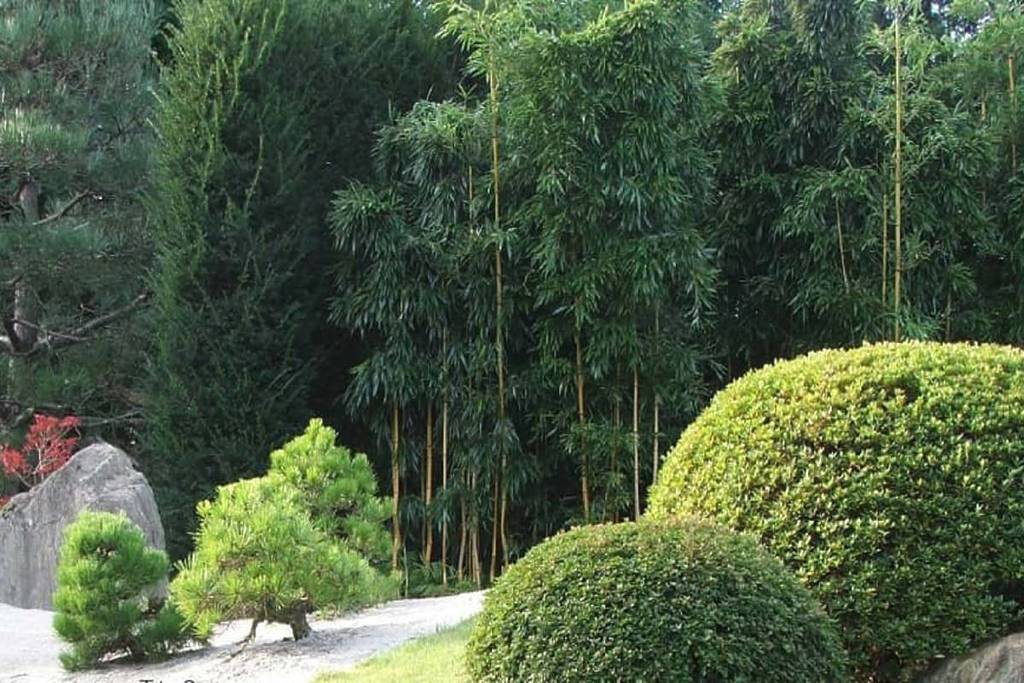
An impressive bonsai collection awaits you in the garden , including trees that are in some cases over 100 to 180 years old . They are artfully tended and often come from the garden’s own nursery, giving them a central role in the overall concept. The whole experience is complemented by classic elements of Japanese garden art. These include Zen gardens with raked gravel, which symbolize meditation and minimalism, as well as carefully arranged rock landscapes and symbolic compositions. Mossy areas and typical Japanese plants such as maple, azaleas, and cherry trees round out the picture.
Another highlight is the pond landscape with its footbridges and bridges. Koi carp swim there, while pavilions open up carefully composed views that look like living pictures. In the tea house, you can enjoy authentic Japanese teas and sweets . You also have the opportunity to participate in a tea ceremony while looking directly out onto the Zen garden. Japanese tea and garden culture has been taught here for over 20 years .
The season runs from April to October. During this time, the garden is generally open Wednesday through Sunday and on holidays from 11:00 a.m. to 6:00 p.m. , with last admission at 5:00 p.m. In the fall and winter, there are occasional special openings, such as for the Lantern Festival or during Advent. Admission is about 7 euros for adults and around 3 euros for children. Given the extensive maintenance and landscaping, this is a very fair price.