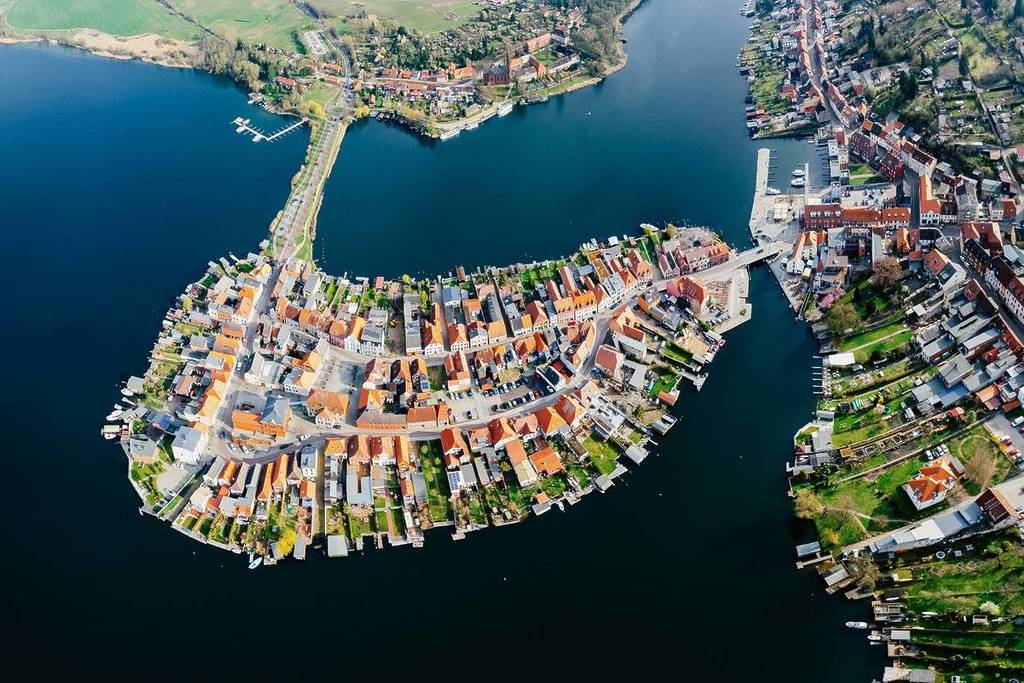

As we move through the big city, we are surrounded by buildings, streets, and architecture—yet water often plays only a minor role. Sure, there are lakes that are idyllic and invite you to swim in the summer. But it’s a different feeling when you’re talking about an island that’s completely surrounded by water. And places like that are rare in Germany. One of the most impressive, however, is surprisingly close to Berlin: the island town of Malchow and Lake Plau are among the most beautiful spots in the Mecklenburg Lake District—a region that feels like a vast,branching network of water, nature, and small historic towns.
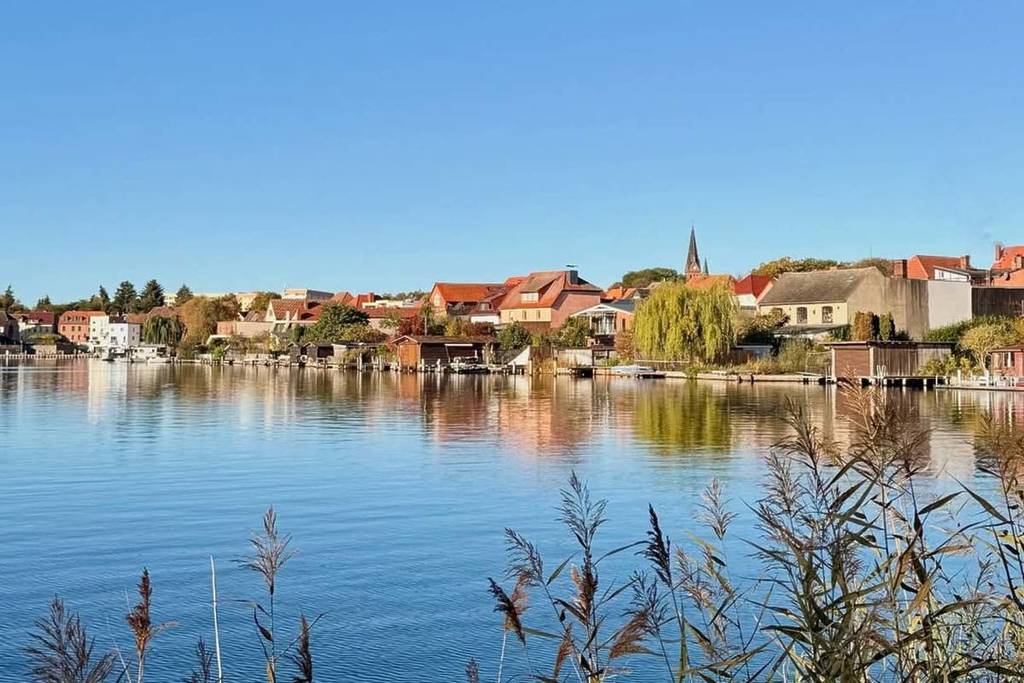
Malchow is located in Mecklenburg-Western Pomerania and is part of the well-known lake landscape in northeastern Germany. The town lies in the midst of a chain of bodies of water between Lake Müritz, Lake Fleesen, and Lake Plau —and is almost completely surrounded by water. Lake Plau lies directly to the west and is one of the largest lakes in the region. Together, they form an expansive, interconnected water landscape of lakes, canals, and shoreline areas. It quickly becomes clear: this is not just a single place, but an entire natural and aquatic system.
Malchow is also one of the few true island towns in Germany. The historic old town lies on an island in Lake Malchow and is connected to the mainland by an earthen dam and a swing bridge— the latter also serves as the town’s technical landmark. Malchow’s origins date back to the Middle Ages; the town was first mentioned in a document in 1147. To this day, the immediate proximity to the water shapes the townscape: narrow alleys, bridges, and harbor areas give Malchow an almost maritime flair—even though the coast is far away.
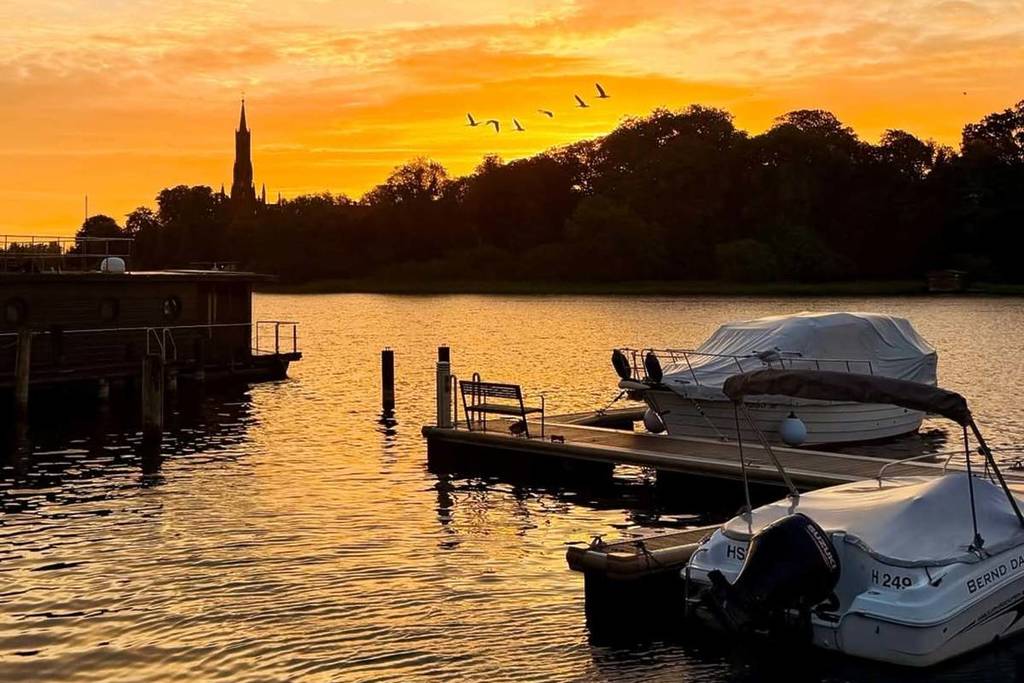
Malchow looks back on a long and complex history. In the Middle Ages, the town was initially a Slavic center before developing into a German town. Malchow Abbey played an important cultural role for centuries. The 20th century also left its mark, including through the era of National Socialism and forced labor.
After reunification, the old town was extensively restored and today looks well-maintained and lively once again. At the same time, a special atmosphere has been preserved: quiet, unhurried, and almost like a hidden vacation spot.