
The future of rail connections looks very promising. New rail companies are emerging, reviving old routes and developing new connections. At the same time, major infrastructure projects are planned – such as new high-speed lines by 2030 and halved travel times with new high-speed trains by 2040. But that’s not all: the international rail network is also being expanded so that you can reach Mediterranean destinations faster than before. From December 2026, Trenitalia’s Frecciarossa high-speed trains will run directly to Germany for the first time.
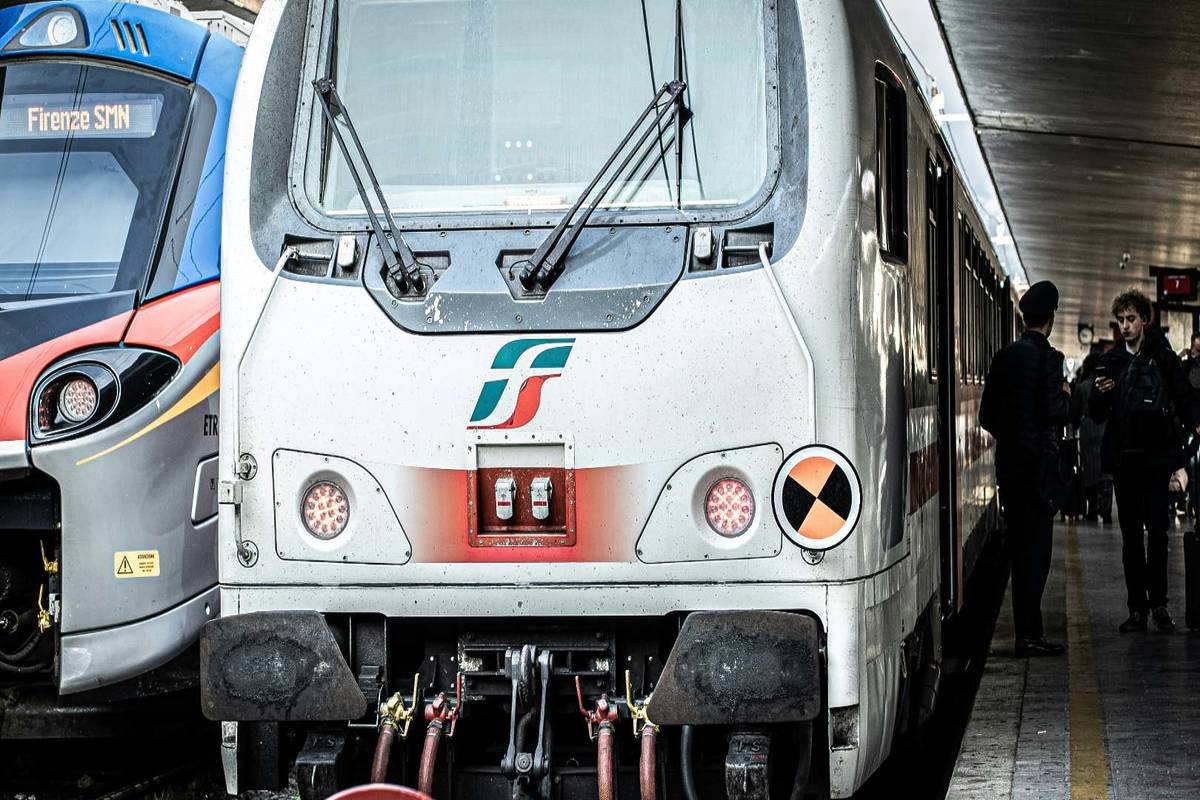 Photo: Mihaela Claudia Puscas / Unsplash
The aim of the new cooperation between Trenitalia, Deutsche Bahn, and ÖBB (Austrian Federal Railways) is to establish a fast, direct rail connection between Germany, Austria, and Italy – without any changes. Frecciarossa 1000 high-speed trains will be used, which can reach speeds of up to 300 km/h. The launch is planned for the timetable change in December 2026. One of the planned routes will run from Munich via Innsbruck, the Brenner Pass, Bolzano, and Verona to Milan. The journey time is expected to be around 6.5 hours – significantly faster than many of today’s connections, which usually take 7 to 9 hours with transfers. Initially, one daily connection in each direction is planned. A second connection will go even further south: also from Munich via Innsbruck, the Brenner Pass, Bolzano, and Verona to Florence and finally Rome. The journey time here is expected to be around 8.5 hours. This will be the first direct high-speed connection between Germany and the Italian capital.
 Photo: Claudio Carrozzo / Unsplash
The route between Munich and Milan is one of the classic short-haul flight routes. The new rail connection is therefore intended to offer a more climate-friendly alternative to air travel. The project is part of a larger strategy to strengthen Europe’s high-speed rail network. The next stages of expansion also include connections from Berlin to Milan and Naples, which are expected to follow in 2027 or 2028. An important factor for these new connections is the construction of the Brenner Base Tunnel between Austria and Italy. Its opening is currently scheduled for 2032. The tunnel could reduce travel times by another hour or so.