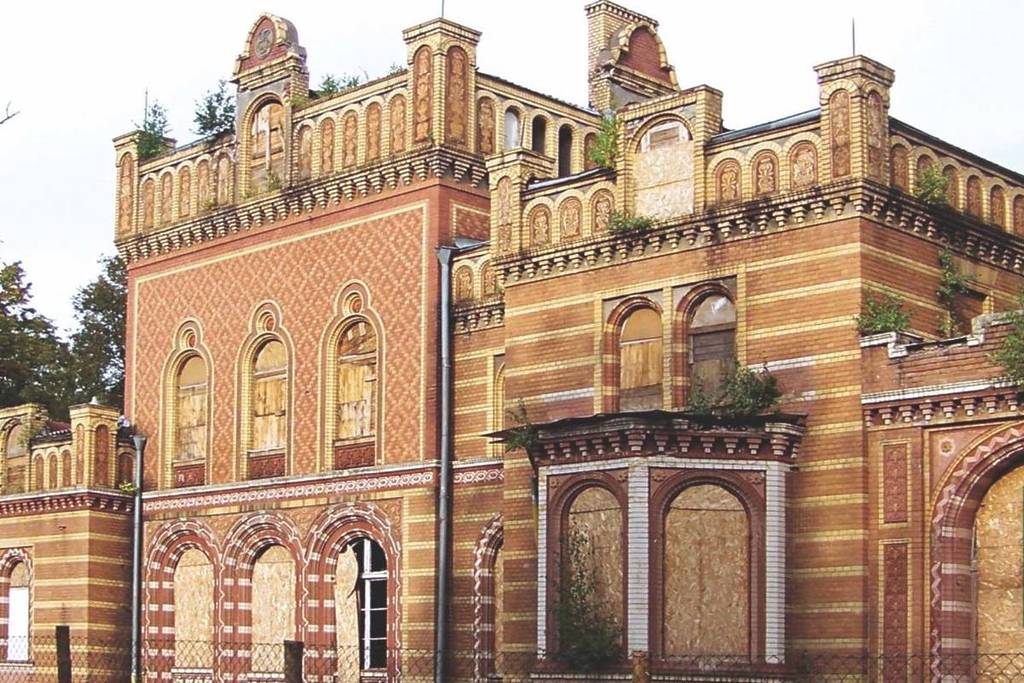
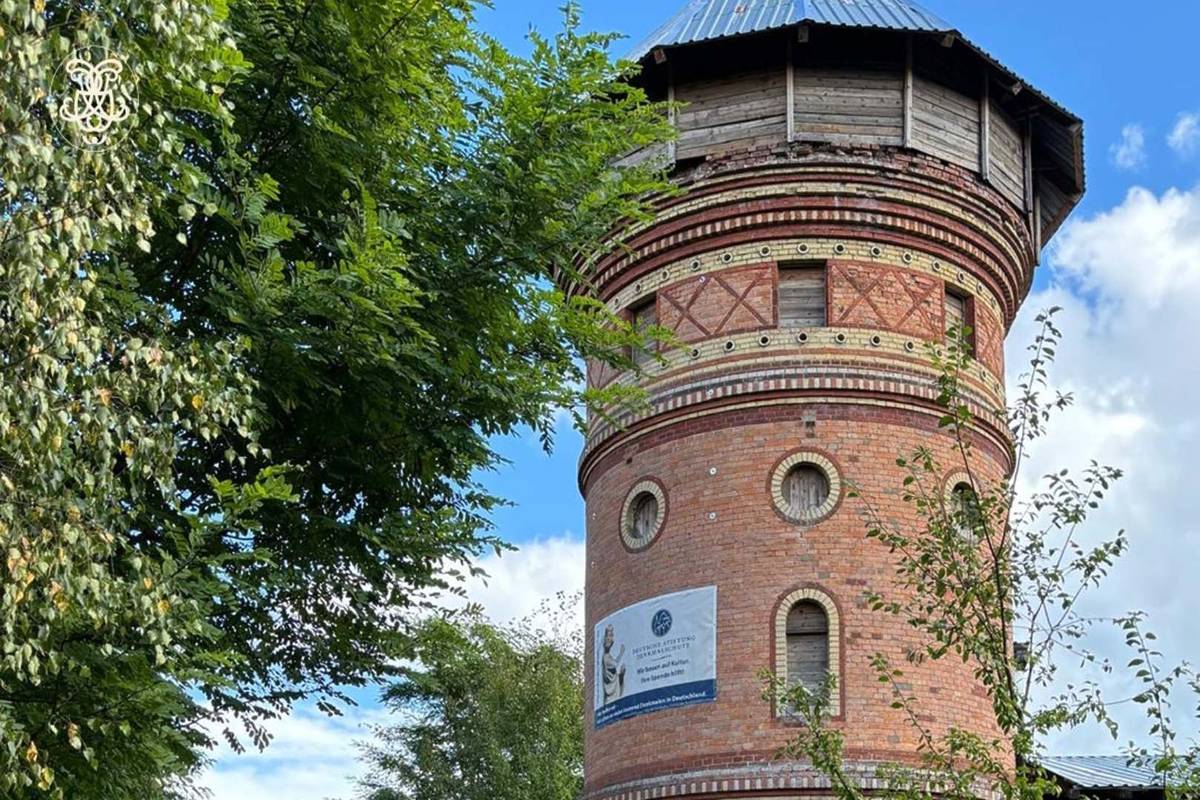
The Gentzrode estate was founded in 1855/1858 by the wealthy Gentz family as a model agricultural enterprise and family residence. The complex consists of several buildings: the manor house, a granary with a residential tower, stables, an administration building, and a landscape park. All of the buildings display a strong orientalizing historicism, also known as “Moorish style. “
The granary was built in 1861–1862 based on designs by architect Carl von Diebitsch. The Gentzrode manor house was built in 1875/76 based on plans by renowned Berlin architects Martin Gropius and Heino Schmieden. The park and the entire complex were also deliberately designed and influenced by landscape architect Gustav Meyer.
Ludwig Alexander Gentz was ultimately the one who developed the estate into a magnificent property. In its heyday, the estate attracted a great deal of attention and admiration—even one of the most important German poets of the 19th century, Theodor Fontane, visited the place and mentioned it in his “Wanderungen durch die Mark Brandenburg”(Walks through the Mark Brandenburg), which contributed to the historical perception of the estate. However, financial difficulties resulting from the economic crisis of 1880 led to the insolvency of the family business and ultimately to the sale of the estate in 1881.
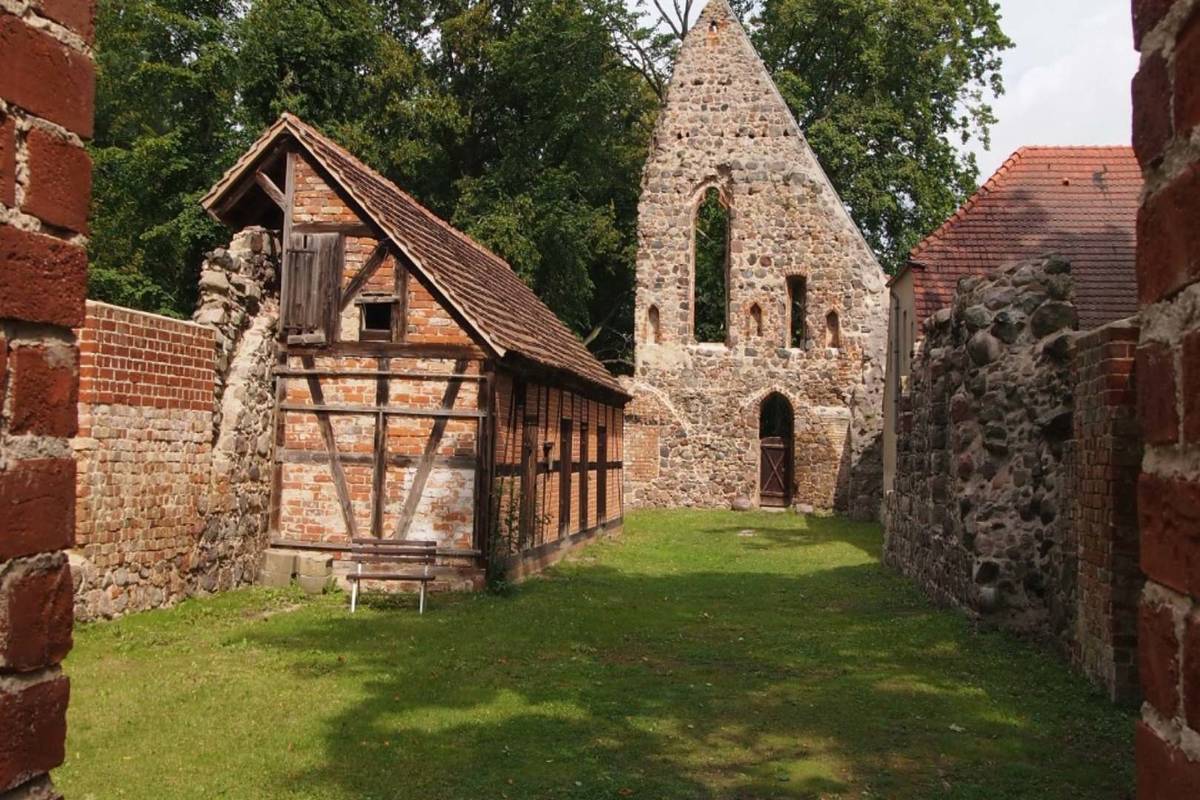 Photo: @gut.gentzrode
(Instagram)
Gut Gentzrode is a rare example of the combination of Oriental architecture and rural estate tradition in Germany. However, its current condition is marked by vacancy and decay. Significant parts of the ensemble are listed as historical monuments, including the manor house, the granary, and the landscape park. In the 21st century, several investors have acquired the site and announced various projects —including a hotel, a holiday resort, and a cultural venue—but many of these plans have not yet been implemented. Although various security measures have been taken and ongoing debates about restoration have taken place in the 2020s, major challenges and an acute threat to the monument remain.