
Germany is known for its diverse natural beauty and impressive landscapes. There is also plenty to discover around Berlin—from the “most colorful show caves in the world” to Germany’s tallest chalk cliffs. And the highlights don’t stop there: Just this past September 2026, Dresden was named the #2 Mountain Destination in Germany at the inaugural Tripscout Mountain Destination Awards .
For the ranking, Tripscout uses its own Social-IQ system, which analyzes the social media performance of more than 1,100 mountain destinations worldwide. Among other factors, it examines how well the respective destinations’ posts perform on social media and how strongly their target audiences interact with the content. The fact that Dresden appears in a ranking of mountain destinations is primarily due to its geographical setting . The city itself is not located in the Alps and is not considered a classic mountain town. Dresden lies on the Elbe River in Saxony and is surrounded by diverse landscapes .
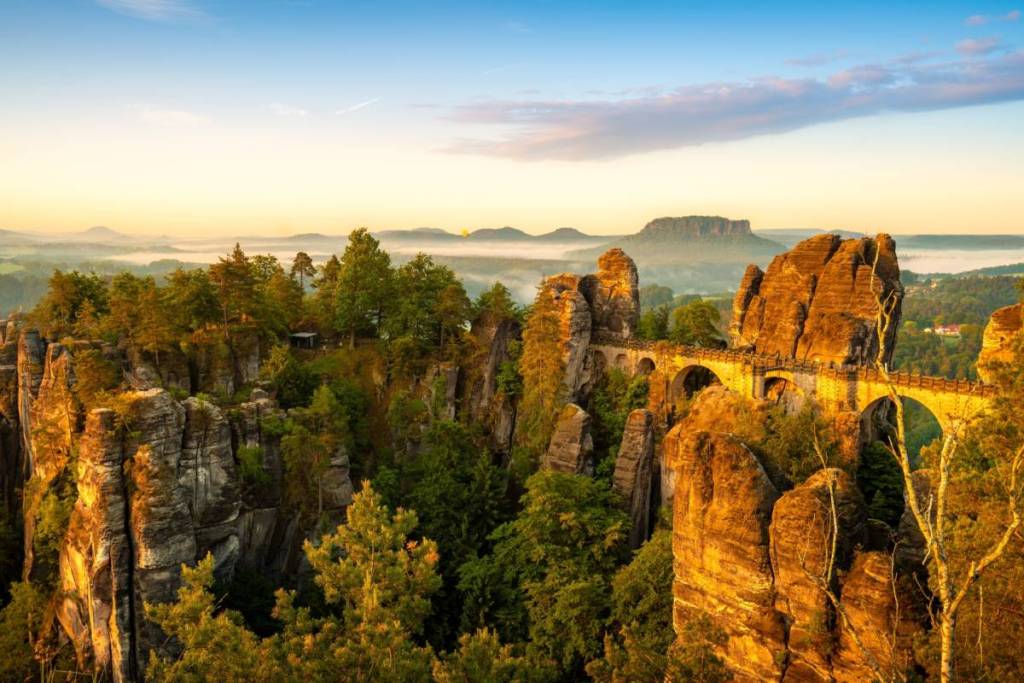
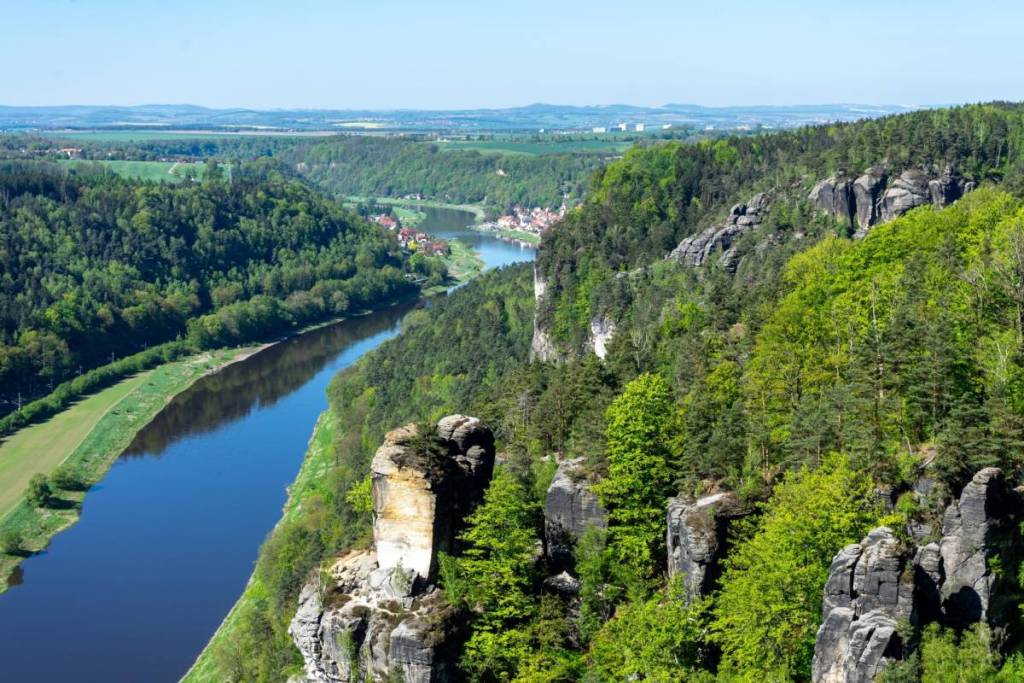
Of particular importance is the region’s proximity to Saxon Switzerland and the Elbe Sandstone Mountains, which lie southeast of Dresden. The region is characterized by striking sandstone cliffs, table mountains, gorges, and forests, and offers numerous opportunities for hiking, climbing, and other outdoor activities. Among the region’s best-known attractions are the Bastei and the Bastei Bridge, the Lilienstein, the Königstein, and the landscape around Rathen. There are also numerous hiking and climbing routes, making the region a popular destination for outdoor enthusiasts .
Dresden can therefore also be considered a starting point for nature and mountain adventures in the surrounding area. From the city, the landscapes of the Elbe Sandstone Mountains are relatively easy to reach. The German Alpine Club in Dresden also offers regular hiking and climbing tours in the region.
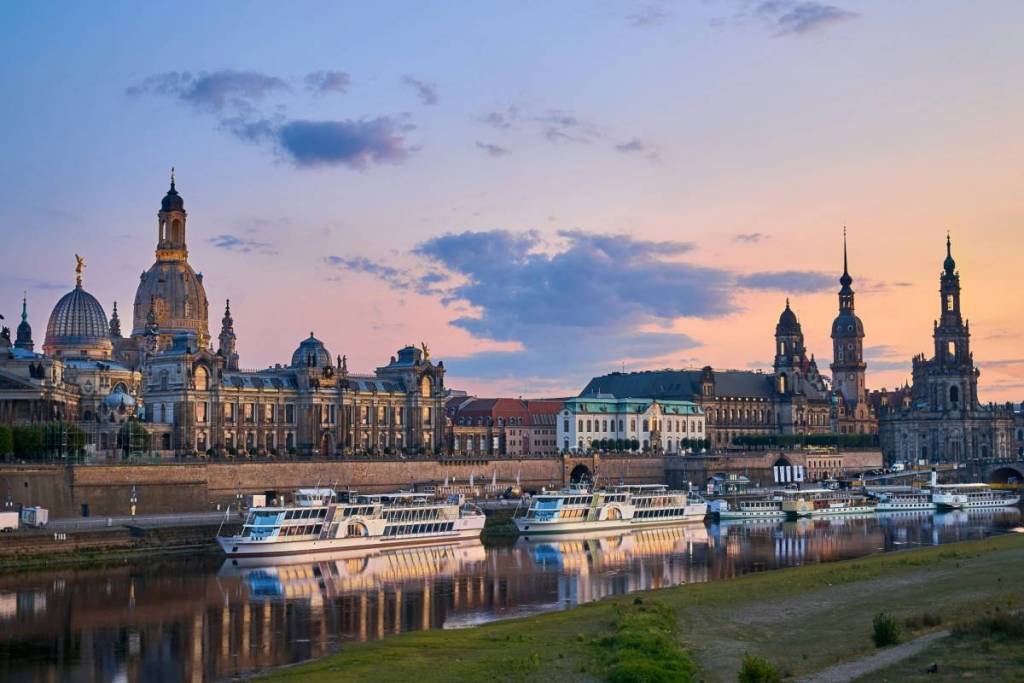
Dresden’s special appeal lies in the combination of city, culture, and nature. The historic city center is home to some of Saxony’s most famous landmarks, including the Frauenkirche, the Zwinger, the Semper Opera House, and the Royal Palace. At the same time, the city’s surroundings offer a variety of natural and cultural landscapes. This makes it possible to combine a classic city trip with excursions into nature.