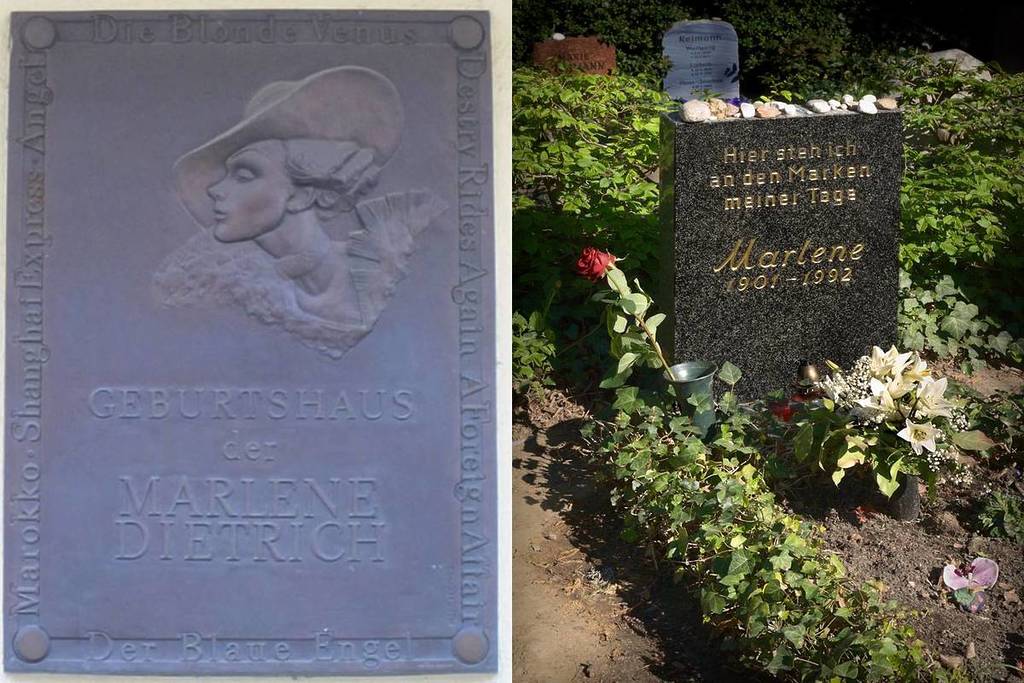
Berlin is a hotspot for internationally renowned personalities. It hosts major festivals, concerts by world stars such as Lady Gaga, and the most legendary parties in world-famous clubs such as Berghain – to which Spanish pop icon Rosalía even dedicated an anthem. But many famous faces also come directly from the capital: the most sought-after DJs of our time, Keinemusik, are Berlin natives. However, a look into the past shows that Berlin used to be far less international and only a few talents made it onto the big stage. Marlene Dietrich was one of the exceptions, she conquered Hollywood and became one of the greatest icons of the 20th century. Although she later became closely associated with the USA and became famous there, she was originally from Berlin. Both her birthplace and her grave are still here today – but few fans know exactly where.
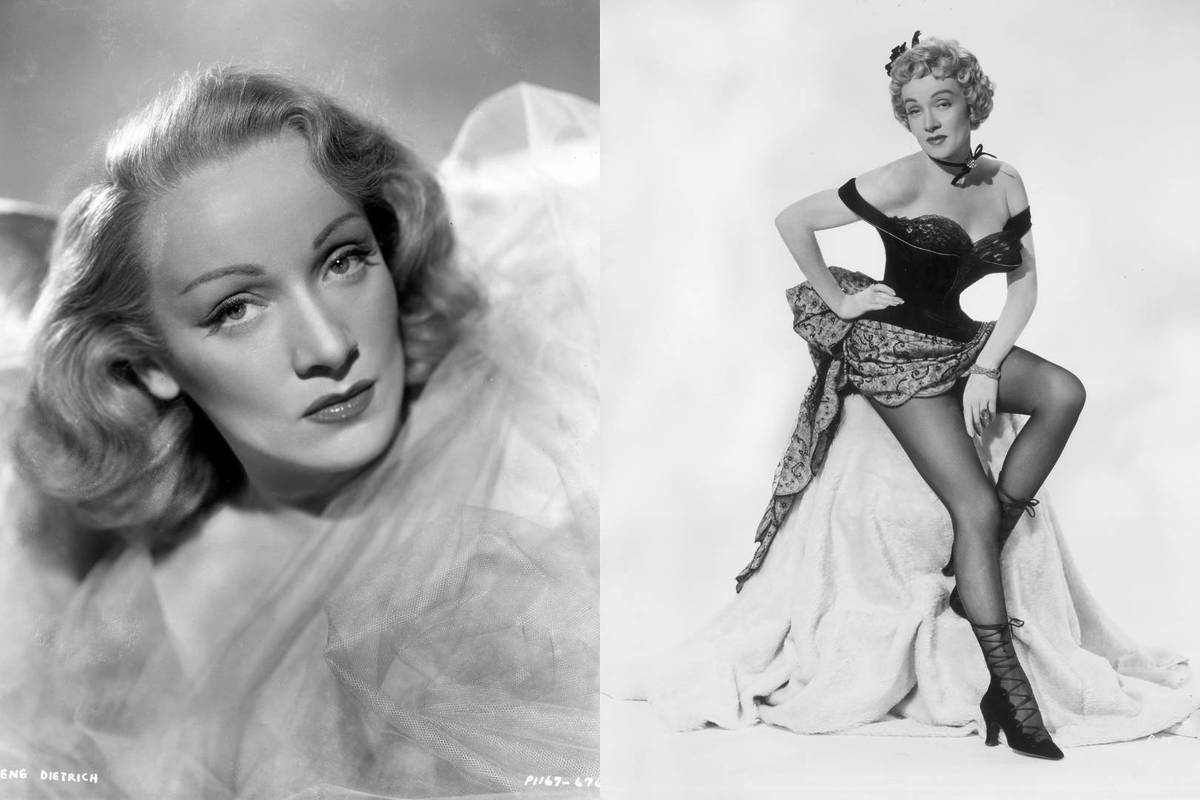
Marlene Dietrich was born on December 27, 1901, in what was then Sedanstrasse 53 (now Leberstrasse 65) in the Berlin district of Rote Insel (Schöneberg). She took her first steps on the theater and film stage in the capital – at a time when the Weimar Republic was flourishing culturally. The foundations of her career, her sense of style and her experiences were therefore laid in Berlin. Her big breakthrough came in 1930 with the film “The Blue Angel“, directed by Josef von Sternberg and shot in Berlin and the surrounding area. In the role of Lola Lola, she embodied a new image of women – self-confident, sensual, independent. She had a lasting impact on the public image of women. Berlin’s variety theaters, cabarets and film studios provided the creative breeding ground for this style.
Shortly afterwards, Marlene Dietrich moved to Hollywood, where she became an international star – one of the few German artists to achieve worldwide fame in the 20th century. However, her connection to Berlin came to an abrupt end when Hitler came to power in 1933. She refused any collaboration with National Socialist Germany, although she was offered high fees and major roles. She became a US citizen in 1939 and supported the Allies during the Second World War. She performed on the front lines for American troops and spoke publicly against Hitler – which earned her accusations of treason in Germany.
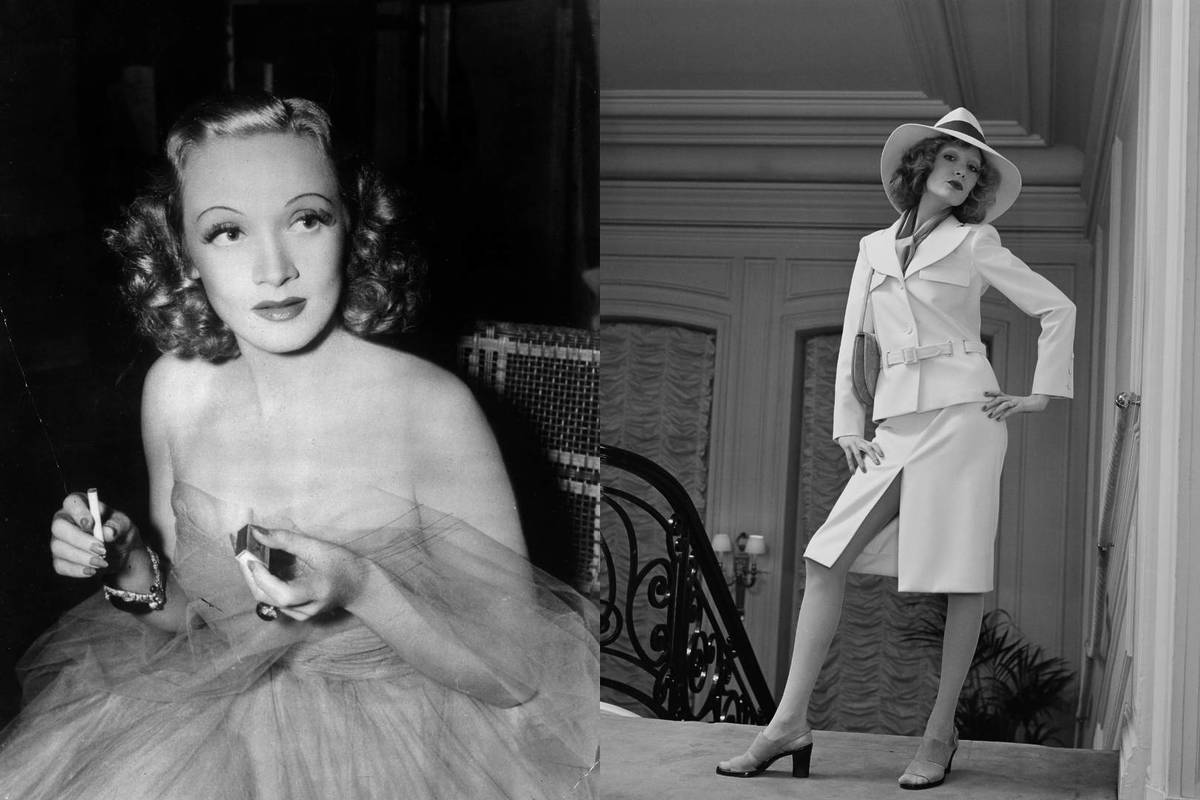
She rarely returned after 1945. During a tour in 1960, she also made a stop in Berlin – but was booed and insulted there. Her reaction to this became legendary: “If they call me a traitor in Germany, then that’s the greatest honor they can do me.”
Marlene Dietrich spent her last years in Paris. In 1992, in accordance with her wishes, she was buried in Berlin-Friedenau, near her mother’s grave. Her grave is located in the municipal cemetery III in Stubenrauchstraße, more precisely in section 34. As you can see, her birthplace is not a magnificent villa, but an ordinary Berlin home. And her final resting place is not in a remote country house either, but in a municipal cemetery in the Tempelhof-Schöneberg district.