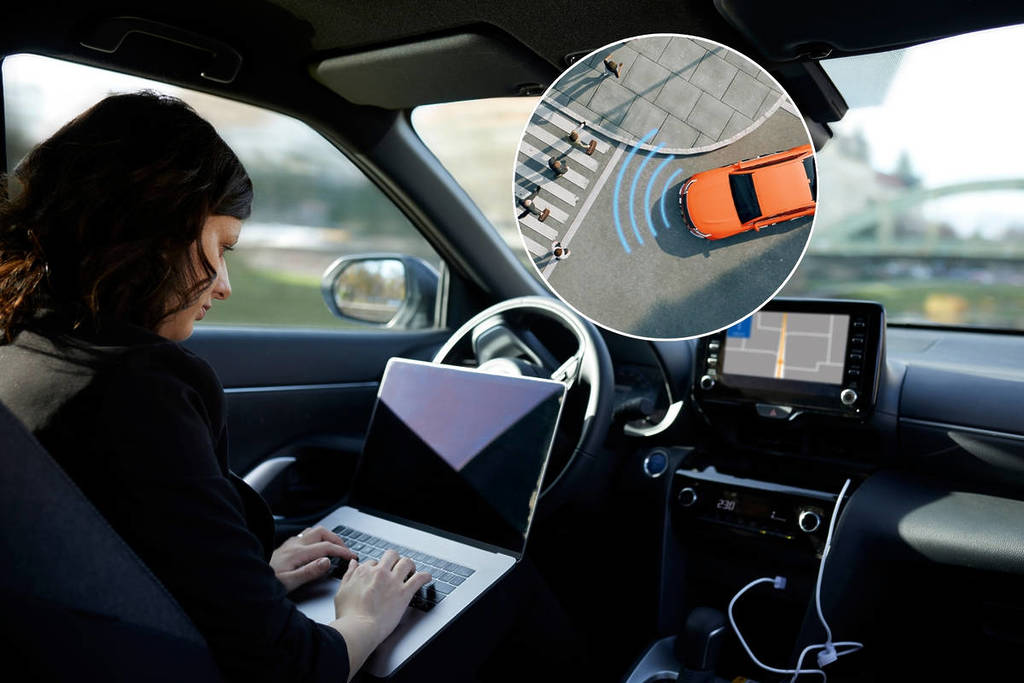

Berlin is undeniably Germany’s Silicon Valley. According to the official Deep Tech Portal, over 30 percent of all German AI startups are based in the capital. So it’s no wonder that algorithms are increasingly shaping our everyday lives—even on the road. After all, autonomous driving is no longer a distant dream. In several U.S. cities, self-driving taxi services like Waymo are already the norm. But what actually happens when the technology makes fatal mistakes? It is precisely this moral dilemma that is currently the subject of much discussion—the interactive theater event The Jury Experience also takes up this exciting AI topic for an open exchange. While the case here is fictional, the question of responsibility is more relevant than ever before. What is the actual legal situation?
14 November 2026 16:00 + more dates
Colosseum Berlin
Germany’s pioneering legal spirit
What many people don’t know: Germany is a true pioneer in autonomous driving. As early as 2021, the federal government passed a law allowing fully automated vehicles on public roads. But this pioneering spirit comes at a price. While commercial robotaxi services have long been a common sight on the streets in certain parts of the U.S., Germany is noticeably lagging behind in actual implementation. The reason for this is the extremely strict German approval process, designed for maximum safety, and—unlike in the U.S.—a uniform nationwide framework. As a result, the use of autonomous vehicles in Germany is currently focused on narrowly defined, strictly monitored niches such as autonomous shuttle buses or automated parking garages.
The most pressing question, however, remains liability in the event of an accident. If the computer is steering the car, the person in the vehicle is effectively just a passenger. Nevertheless, owner liability still applies in Germany. Specifically, this means: If the system causes damage, the vehicle owner’s insurance is the first to cover the costs. Only afterward can the insurance company recover the costs from the manufacturer, provided there was a verifiable software error. The question of liability therefore remains complex.

While AI technology is advancing by leaps and bounds in Berlin and around the world, the legal debate remains highly topical. Whether on the real streets of the capital or in a fictional courtroom—the question of how much responsibility we should entrust to a machine will likely stay with us for some time to come.
14 November 2026 16:00 + more dates
Colosseum Berlin