The Apostle Paul Church in Berlin is known as a unique cultural and spiritual site, distinguished by its remarkable stained-glass windows, murals, and organ loft. State-of-the-art technology and comfortable facilities offer an unforgettable experience during a variety of cultural events, including the classic candlelight concerts, which present a wide range of intimate tributes in a unique candlelit atmosphere.
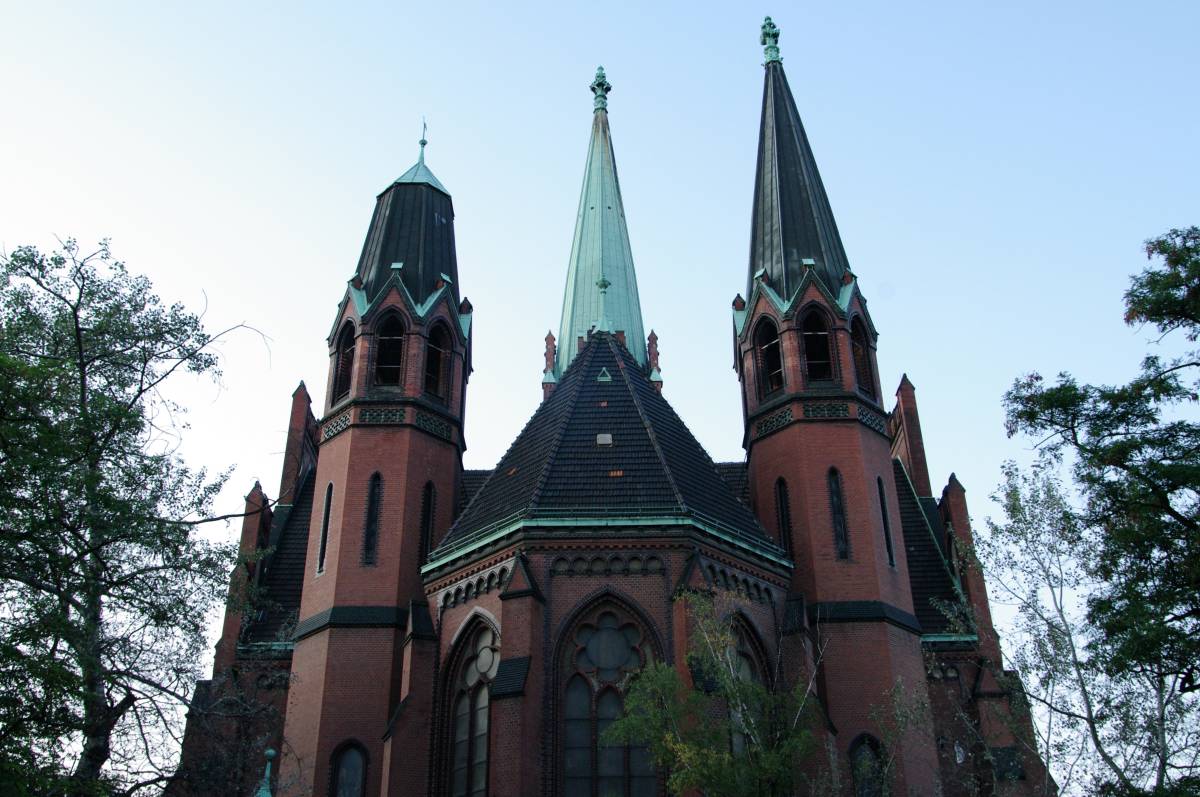 Photo: Dirk Ingo Franke, CC BY-SA 3.0 | Wikimedia Commons
A popular destination for tourists and spiritual seekers alike
The Apostle Paul Church was built between 1892 and 1894 according to plans by Franz Schwechten. As the center of the Protestant congregation, the church regularly hosts worship services and other religious events. But its unique atmosphere attracts not only parishioners but also visitors interested in sightseeing or cultural events.
What can you experience at the Apostle Paul Church?
The church offers a diverse program of worship services, devotions, and special religious ceremonies such as baptisms and weddings. In addition, the impressive setting is regularly used for cultural projects, including film and photo shoots as well as artistic events. Visitors can explore the historic architecture and the ornate stained-glass windows during guided tours or take a quiet break in the church café, enjoying its special atmosphere.
The enchanting Candlelight concerts have also found a home in the impressive halls of the Apostle Paul Church. The music of world-famous artists resonates in a heavenly way on the stage of this unique cultural venue. The spiritual setting creates a magical atmosphere that takes Candlelight visitors on an unforgettable journey into the world of classical music.
 Candlelight at the Apostle Paul Church
Location and Directions to the Apostle Paul Church
The Apostle Paul Church is located in Berlin’s Schöneberg district and is easily accessible by both public transportation and car. The Julius-Leber-Brücke S-Bahn station (S1) is in the immediate vicinity, as are several U7 subway stations, including Eisenacher Straße, Kleistpark, and Bayerischer Platz. In addition, bus lines such as the M43 and the 106 provide convenient access. Those arriving by car will find parking in the surrounding residential area, but should allow a little extra time to find a parking spot, especially during events.
What makes the church’s architecture so special?
The Apostle Paul Church captivates with its Neo-Romanesque elements, designed by Franz Schwechten. Schwechten drew inspiration from Brick Gothic architecture to evoke traditions of the Mark Brandenburg region. Featuring a hall church layout with a Latin cross plan and a transept with galleries, the church boasts an impressive architectural design. Particularly fascinating are the stained-glass windows and murals that adorn the church, as well as the unique choir of angels on the organ loft, which is unparalleled in the capital in this form.
What facilities does the church offer?
The Apostle Paul Church is not only beautiful to look at; it also offers modern and professional facilities for various cultural events. The hall can accommodate up to 850 people, with an audience area that provides an optimal view of the stage. The outstanding acoustics and sound system make the church particularly well-suited for enchanting concerts and musical performances.

Nearby Berlin Venues
There are numerous well-known Berlin cultural venues in the vicinity of the Apostle Paul Church that can be easily combined with a visit here. These include, among others, the nearby Theater des Westens, the Urania Berlin with its diverse program of events, and the expansive Gleisdreieck Park, which combines art, nature, and urban culture. The famous Berlin Philharmonic and the Kulturforum are also just a short drive away and offer first-class musical and artistic experiences. Those looking for even more special concert evenings can also enjoy the popular candlelight concerts at other impressive venues throughout Berlin, each of which captivates audiences with its own unique atmosphere.