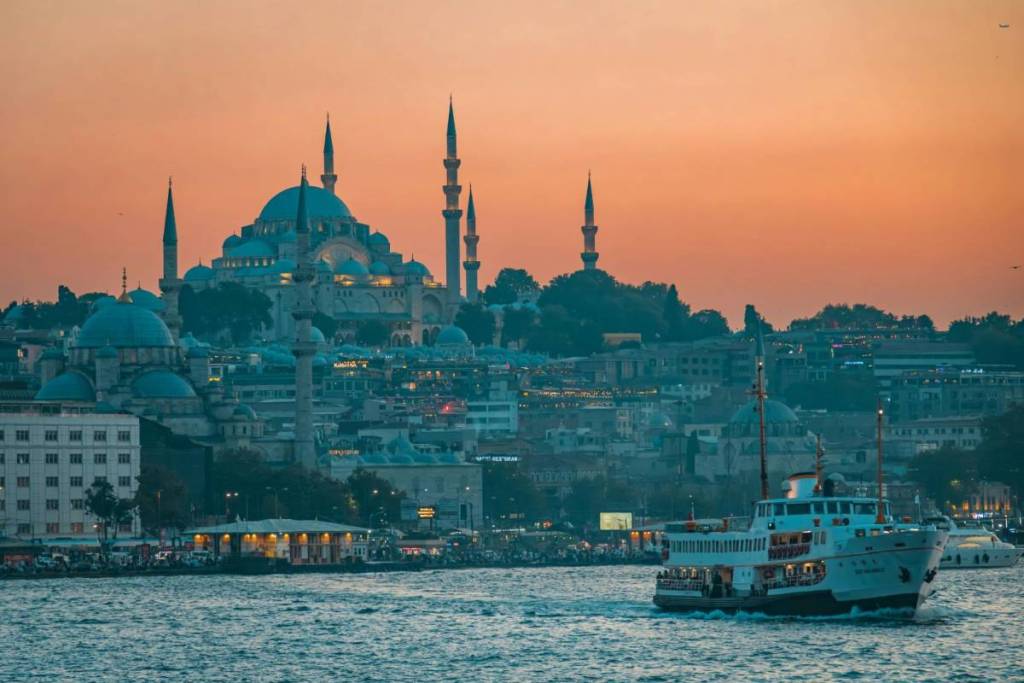

When people think of Istanbul, they usually picture the height of summer: crowds in front of the Hagia Sophia, sweltering heat, and overcrowded ferries. Yet February is perhaps the best time to travel for anyone who wants to truly experience Istanbul rather than just check it off a list.
With daytime temperatures around 10 degrees, Istanbul has a pleasant fall feel (Berlin has a chilly daytime temperature of 3 to 4 degrees). There are new things to taste, see, and discover. A special highlight for soccer fans: From February 2 to 7, 2027, the Supercopa de España will be held here, featuring the four top Spanish clubs!
Istanbul in the Off-Season, aka: The Bargain Season
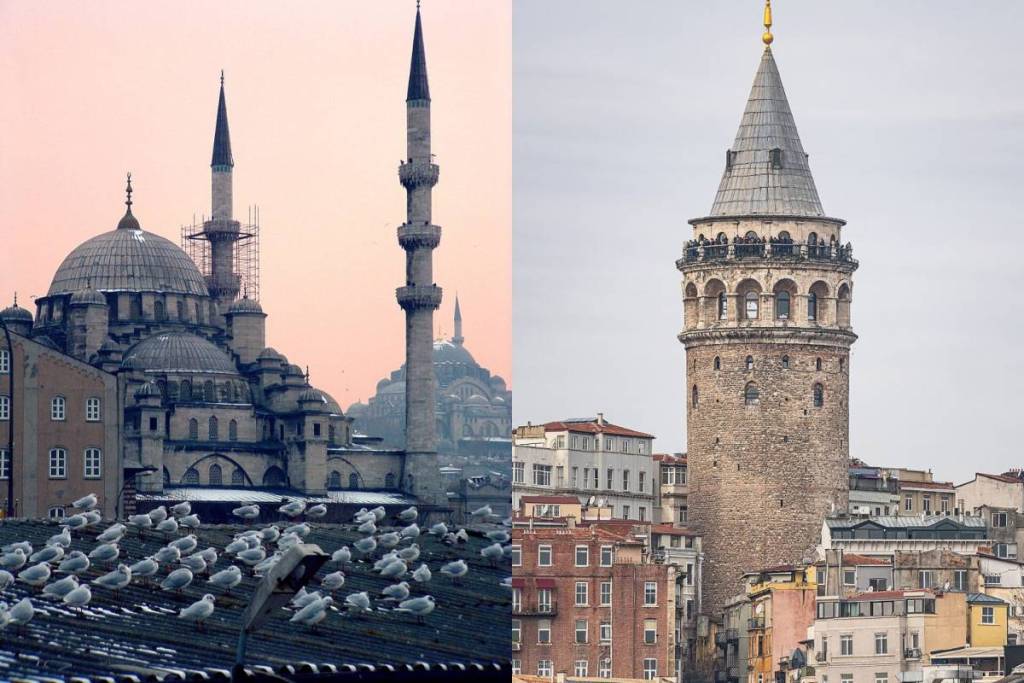
Direct flights from Berlin take a good 3 hours and, based on experience, can be found starting at around 60 € one way if you book early.
The difference is even more striking when it comes to accommodations: Boutique hotels in Karaköy, Cihangir, or the Old City often cost one-third to one-half less in winter than in July! Those who pay for a room facing a courtyard in the summer can now sometimes get a view of the Bosphorus.
The only exception: Around the Supercopa matches in early February, prices for flights and accommodations naturally rise briefly.
(All information is approximate and subject to change)
What summer can’t offer
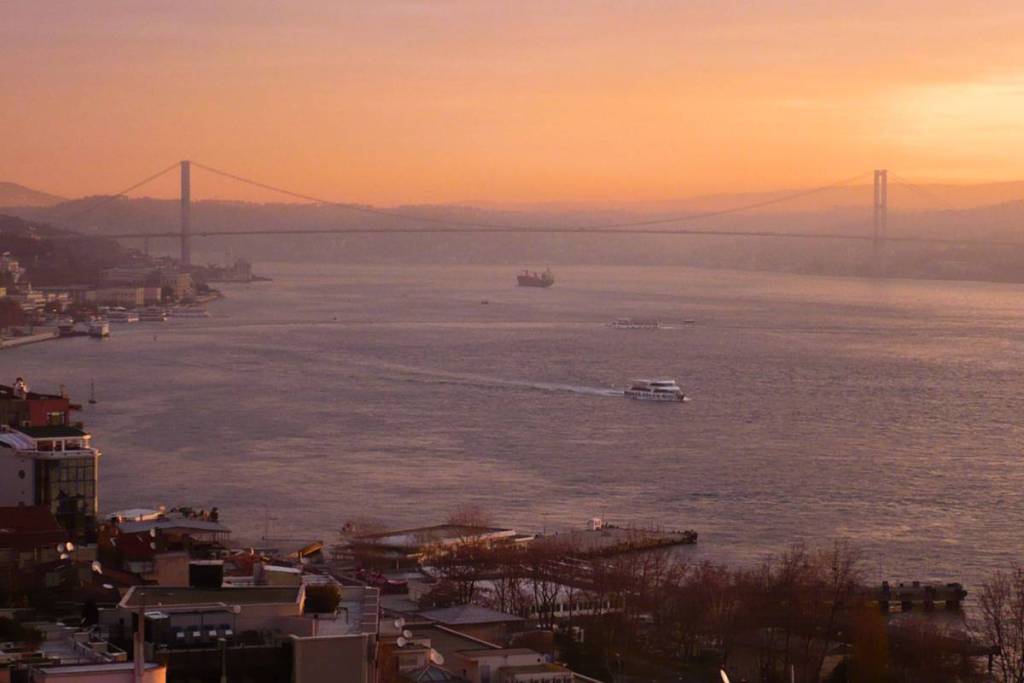
The biggest appeal lies in what’s unique to this time of year. Take the Bosphorus in the fog, for example: as the ferry to Kadıköy glides through the haze, the minarets emerge like paper cutouts, accompanied by flocks of seagulls feasting on tossed-out pieces of simit.
With a little luck, there might even be snow on the domes of the Old City—a sight that summer visitors never get to see.
Winter also has its own culinary delights to offer. Salep, the creamy hot drink with cinnamon, is most commonly served during the cold season. The air on street corners is filled with the scent of roasted chestnuts, and at seafood restaurants, hamsi is on the menu: fresh anchovies, fried until crispy or baked in rice.
Those arriving on or after February 8 will also experience a very special atmosphere: that’s when Ramadan begins. After sunset, the city comes alive with iftar (the traditional breaking of the fast). The streets are festively lit, the restaurants fill up, and the evenings are exceptionally lively and convivial.
And a visit to a Turkish bath (or hamam) feels twice as good in cooler temperatures—much like a warming trip to a thermal spa in Brandenburg—as it does at 30 degrees.
A few final tips for travelers in February
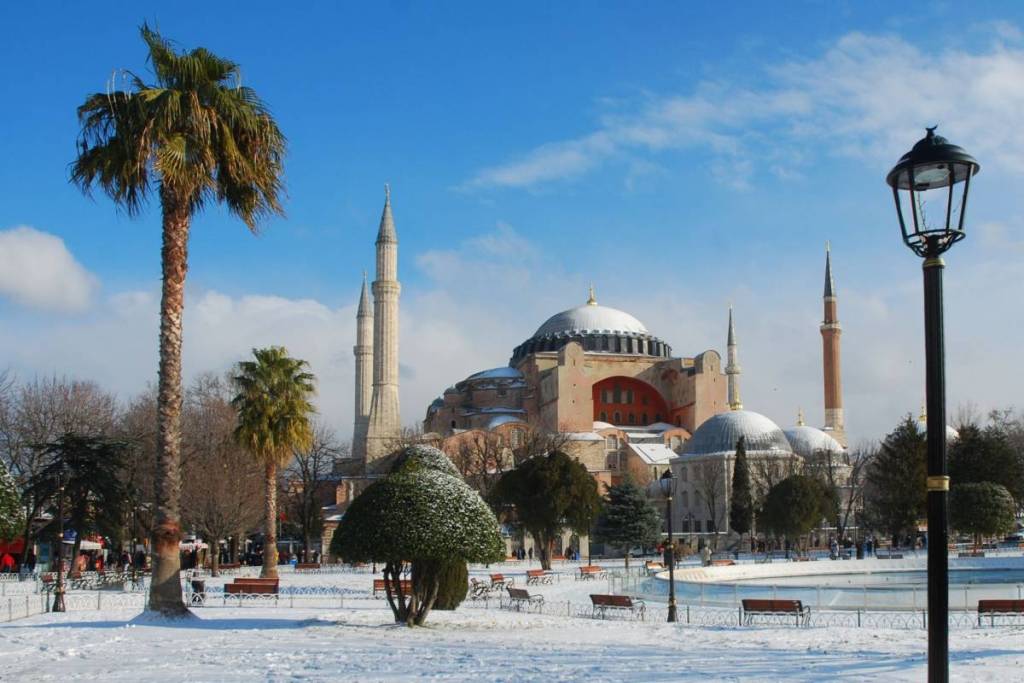
Pack a waterproof jacket and sturdy shoes: It rains here (just like in Berlin) quite often, and the city’s hills are steep. The sun sets around 6 p.m., so it’s best to plan your sightseeing for the morning. This is ideal for soccer fans who want to explore the city during the day and watch the Supercopa matches in the evening. As a result, the lines at Hagia Sophia, Topkapı Palace, and the Blue Mosque are usually short, and at times you’ll practically have the place to yourself.
Istanbul in February is less like the postcard-perfect city from a travel brochure. It’s more authentic, quieter, more affordable, and has a certain melancholy that suits Berliners surprisingly well.