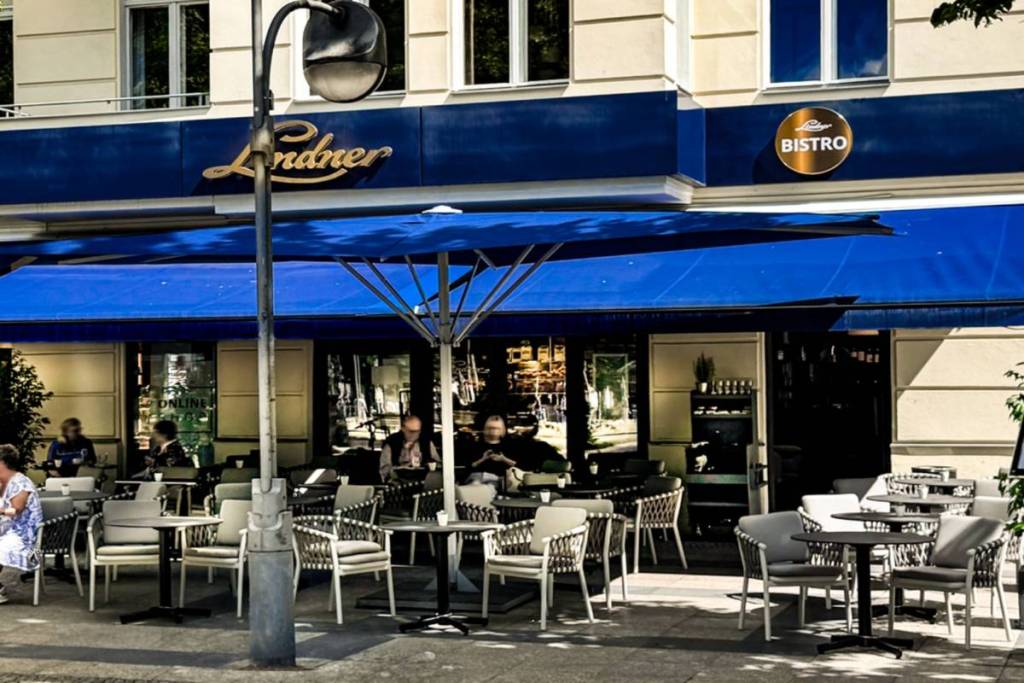

Berlin is getting a piece of its past back: Not only is the historic “Mokke” making a comeback, but a name steeped in tradition is also returning to the cityscape. What began in 1950 at a weekly market in Schmargendorf evolved over decades into a staple of Berlin’s gourmet culture. Now the company is returning to its roots: After 20 years, “Lindner” is once again becoming “Butter Lindner”—and with it, a familiar name is returning to some 40 Berlin locations.
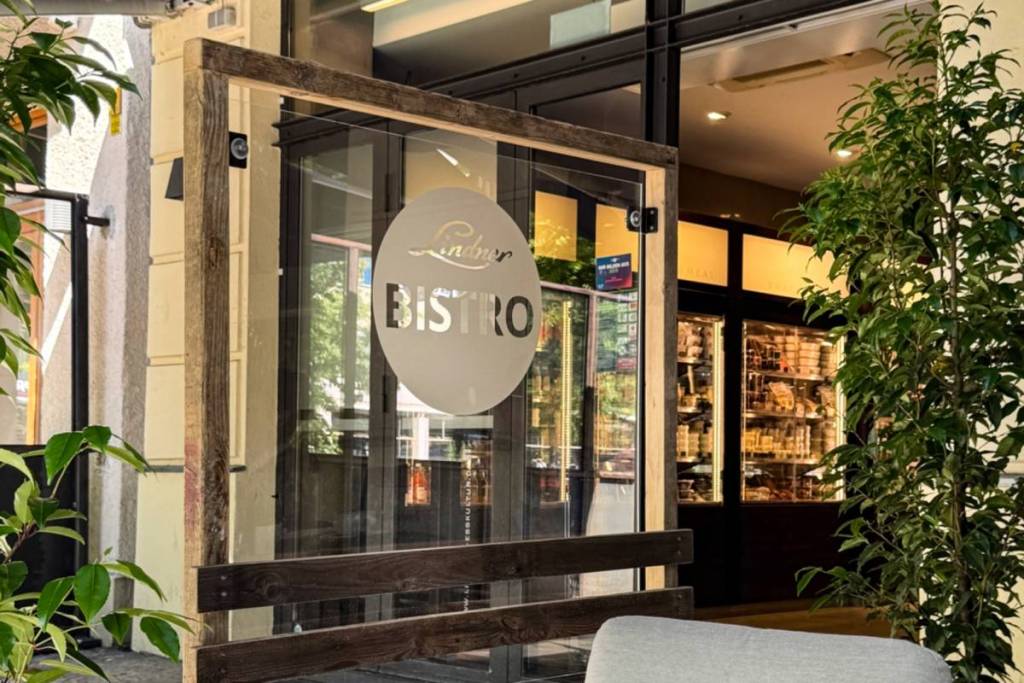
The story of Butter Lindner began in October 1950 at a small weekly market on Kolberger Platz in Berlin-Schmargendorf. There, Robert Lindner initially sold barrel butter, which was freshly portioned and shaped with wooden spoons. He soon expanded his product range to include milk, eggs, cheese, and other groceries. Over the following decades, the modest market stall grew into one of Berlin’s best-known delicatessen chains.
In 1964, the first permanent deli opened in Spandau. At the same time, the company developed its signature crusty bread, which remains one of its best-known products to this day. By 1980, Butter Lindner had already grown to 25 stores. Nine years later, Michael Lindner took over the company from his father and continued to expand it. The original butter retailer gradually evolved into a deli brand with its own production facilities and a diverse product range.
In the mid-2000s, the company finally decided to change its name. With the expansion into Hamburg and the steadily growing product range, the name “Butter Lindner” no longer seemed appropriate. In 2006, the name was therefore shortened to “Lindner.” In addition to butter and dairy products, the stores had long since begun offering deli salads, hot dishes, bread, cakes, and pastries.
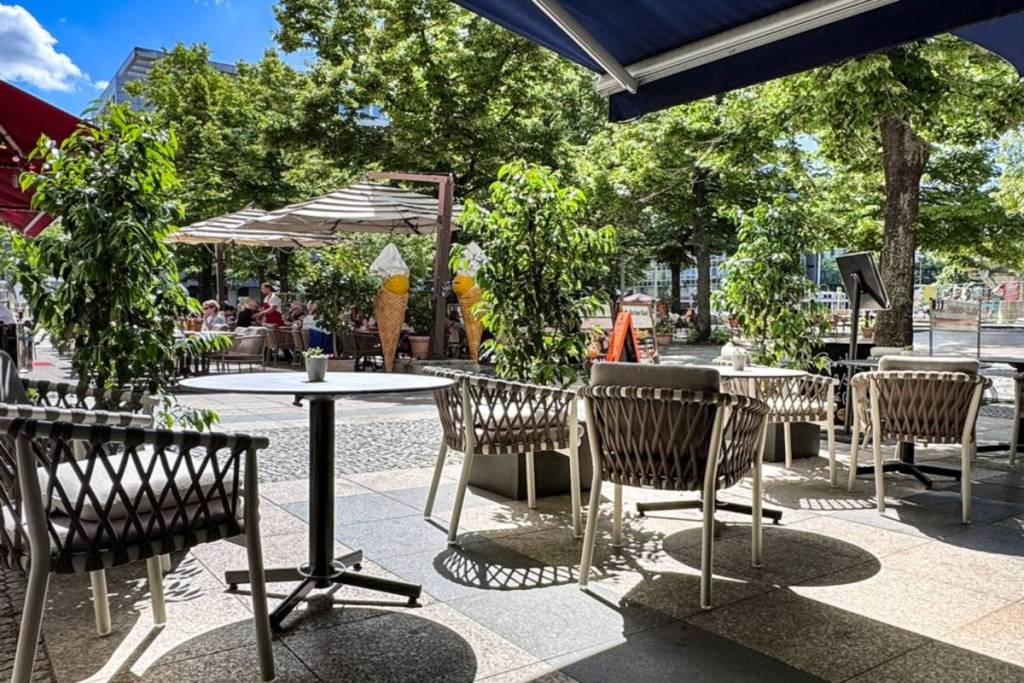
But about 20 years later, a surprising turnaround took place. In October 2026, the company announced that it would revert to its original name, Butter Lindner. The reason for this lies primarily with the customers, as many Berliners had never referred to the stores by any other name anyway. Even people who had moved to the capital later on continued to know the brand by its old name.
The logo is also being updated accordingly. The signature colors of blue and gold remain, while the word “Butter” is being added back to the lettering. The changeover of signs and packaging is taking place gradually. Today, the company has around 45 locations in Berlin, Hamburg, and Potsdam, with just under 40 in the capital. The product range now includes about 3,000 items. What began in 1950 as a small butter stand in Schmargendorf is now a fixture in Berlin’s delicatessen scene—and, after two decades, bears its original name once again.