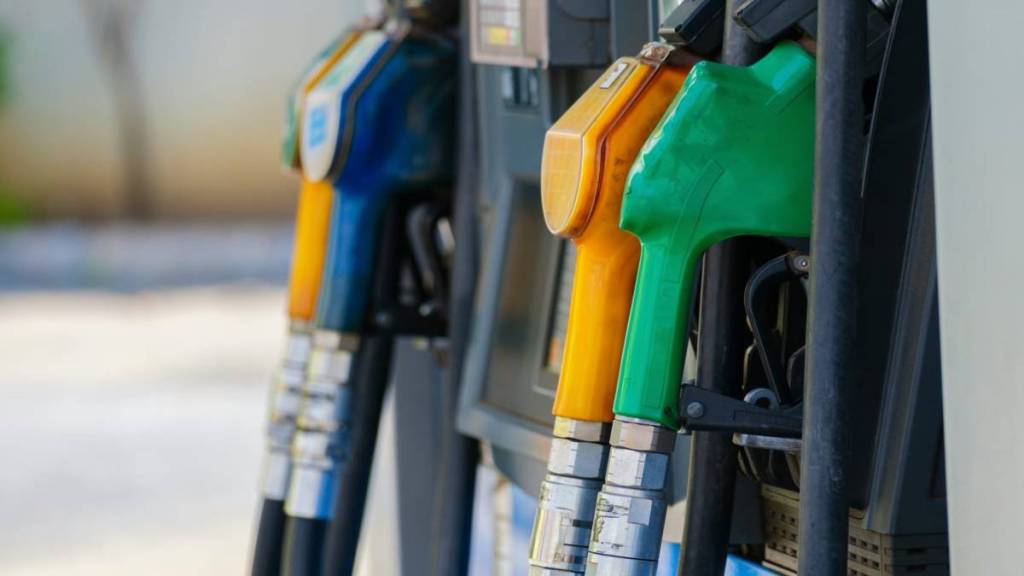

While fuel prices in Germany rose dramatically over a single weekend not long ago—with E10 even reaching a new all-time high—there is now some relief for drivers. Since October 1, they have been paying less energy tax on fuel for three months. The Bundestag and Bundesrat have decided to reinstate the fuel tax rebate.
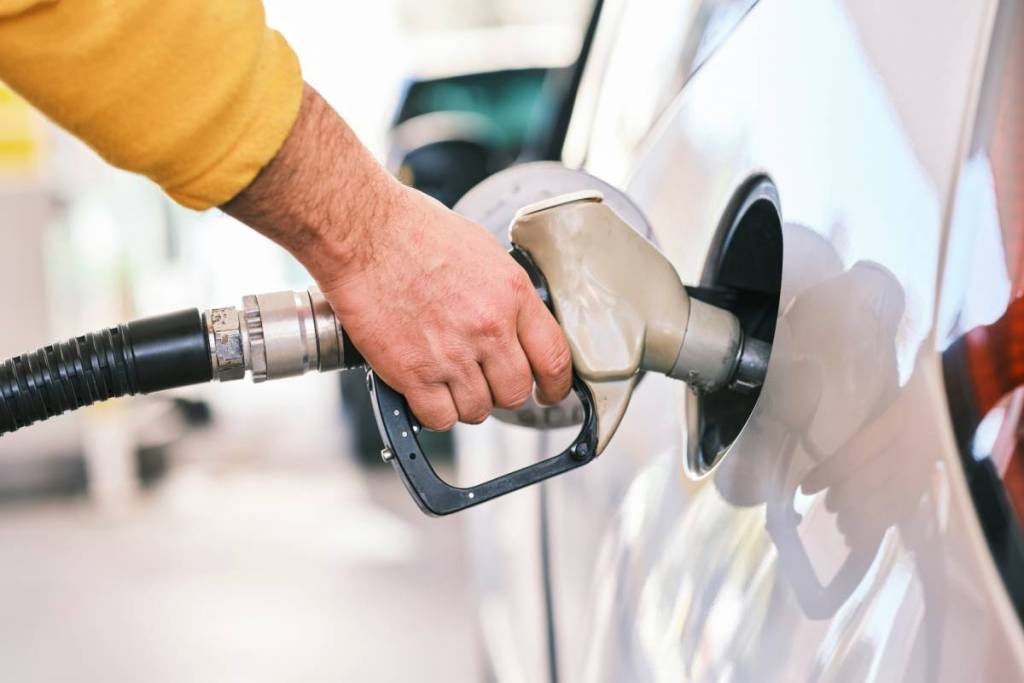
The program will run for a total of three months and end on December 31, 2026. Specifically, the energy tax on gasoline and diesel will be reduced by 14.04 cents per liter. Since value-added tax (VAT) is also levied on this portion of the tax, the VAT amount will also be correspondingly lower. For consumers, this translates to a total savings of approximately 16.7 cents, or just under 17 cents, per liter.
For example, someone filling up 50 liters could theoretically save around 8.35 euros per fill-up if the tax cut is fully passed on. Drivers do not need to apply for a special discount or redeem one at the pump. The term “gas discount” simply refers to the temporary tax reduction, which is intended to be reflected in lower prices at gas stations.
The measure was prompted by high fuel prices in 2026. According to the ADAC, September was actually the most expensive month of the year so far for filling up. Nationwide, Super E10 cost an average of 2.266 euros per liter for the month. Furthermore, this is not the first fuel price reduction this year. The energy tax was already temporarily reduced by the same amount in May and June 2026. With the new regulation, this relief will now be repeated for the last three months of the year .
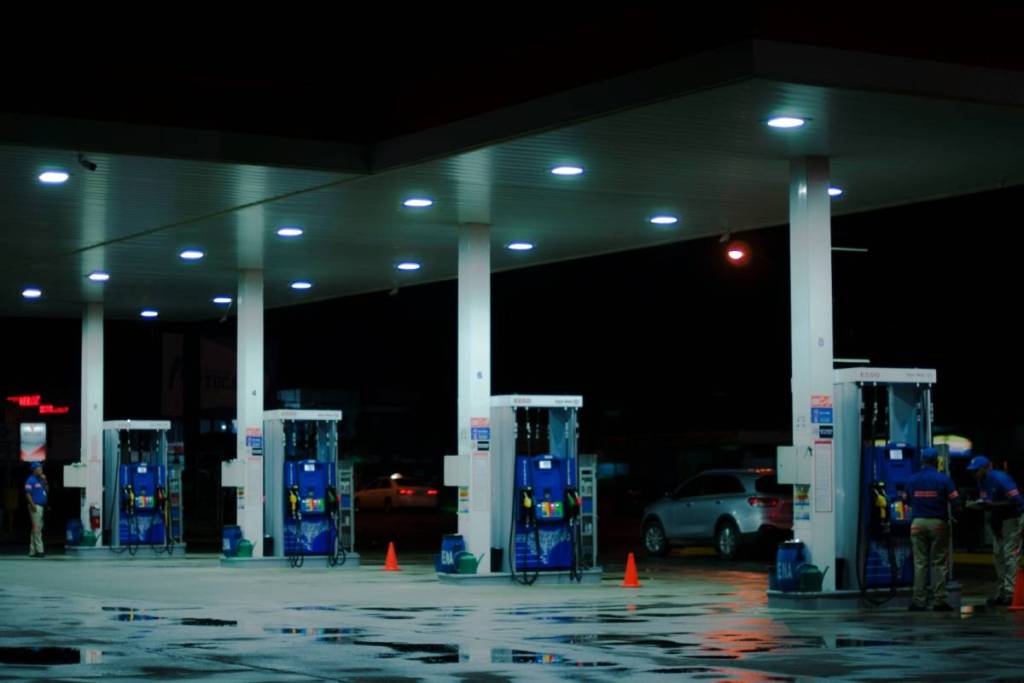
For Berlin drivers, the measure is primarily intended to bring lower prices at the pump. For the state of Berlin, however, it means lower tax revenues. The Berlin Senate Department of Finance estimates that Berlin will lose approximately 60 million euros in revenue due to the three-month tax cut. The ifo Institute, in its own estimate, puts the figure at more than 90 million euros. Nationwide, the measure is expected to cost around 2.5 billion euros. About half of this cost will be borne by the federal states.
This question is particularly interesting just a few days after the program’s launch. Although fuel prices initially dropped significantly as of October 1, the ADAC reports that part of the savings has already been eroded by rising prices. On September 29, immediately before the introduction of the fuel rebate, the nationwide daily average price for Super E10 was 2.258 euros per liter, while diesel cost 2.409 euros per liter. On October 4, the average price for Super E10 was 2.137 euros and for diesel 2.253 euros per liter. This meant that E10 was about 12.1 cents cheaper than it was shortly before the fuel rebate was introduced , and diesel was about 15.6 cents cheaper.
However, this difference cannot be attributed entirely to the fuel tax rebate. Factors such as crude oil prices, exchange rates, and competition among gas stations also influence fuel prices. In addition, prices began to rise again just a few days after the tax relief was introduced. According to the ADAC, between October 1 and 4, the price of E10 rose by 2.3 cents per liter, and diesel by 0.9 cents. The automobile club is therefore calling for the tax relief to be passed on to consumers in full.