
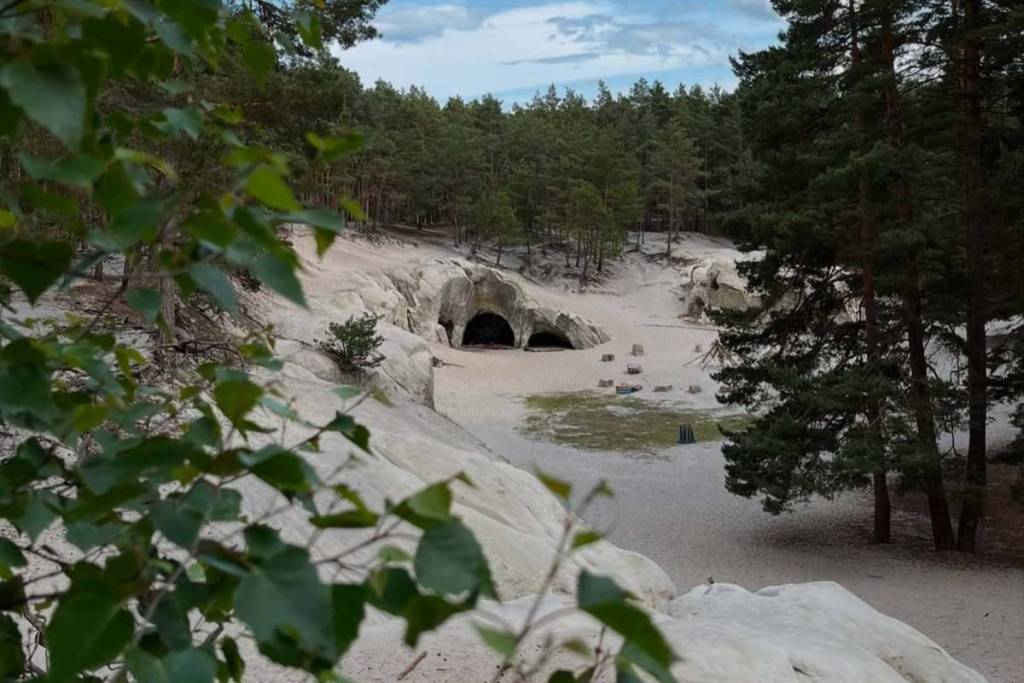

Some people might be surprised by the natural wonders and landscapes Germany has to offer. In addition to idyllic lakes and dense forests, there are also waterfalls reminiscent of Niagara Falls, as well as fascinating rock formations with mysterious caves that invite you to explore. And that’s not all: The sandstone caves near Blankenburg are among the most extraordinary natural and cultural landmarks in the Harz Mountains.
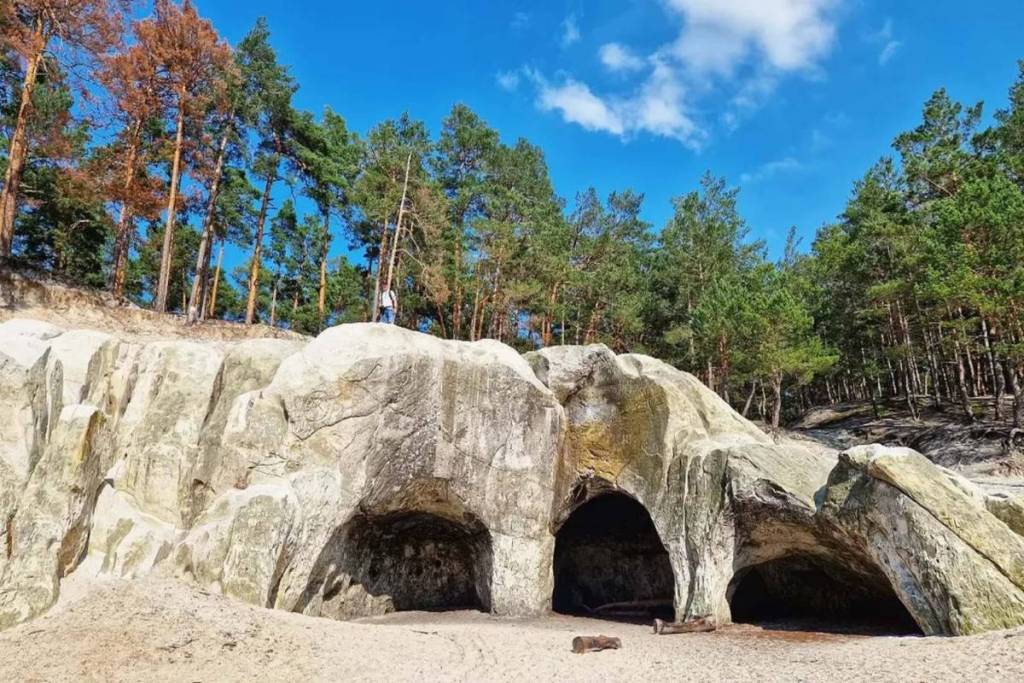
With their light-colored sand, white sandstone cliffs, and small caves, they resemble a desert landscape more than a forest at first glance and are therefore considered a true hidden gem for nature lovers. The sand caves are located near Blankenburg in Saxony-Anhalt, northeast of Regenstein Castle in the Heers forest area. From the Regenstein Castle parking lot, they can be reached in about five minutes by car or after a 20- to 30-minute hike.
Recommended Articles
 10 great Christmas gifts that will make everyone happy!
 Toom Becomes OBI: Home Improvement Giants Merge—Over 600 Stores Affected, Including Those in Berlin
Their history of formation is particularly fascinating. Although the sandstone itself formed around 83 million years ago, when this area was still a shallow sea, the caves as we see them today were largely created by human activity. Over many centuries, particularly fine quartz sand was mined here, creating the characteristic cavities and rock formations. The white quartz sand was once a highly sought-after raw material. It was used as scouring sand for cleaning wood and stone floors, as parlor sand for floorboards, and, in some cases, as spreading sand. Sand mining began as early as the Middle Ages and continued into the 19th century.
There’s also a natural reason why the landscape looks almost like a small beach today. The soft sandstone weathers very quickly, so that wind and rain constantly erode fine sand from the rocks. As a result, light-colored sand covers the ground, creating this unusual landscape in the middle of the pine forest. It’s no wonder, then, that the sand caves are often referred to as the “beach in the Harz.”
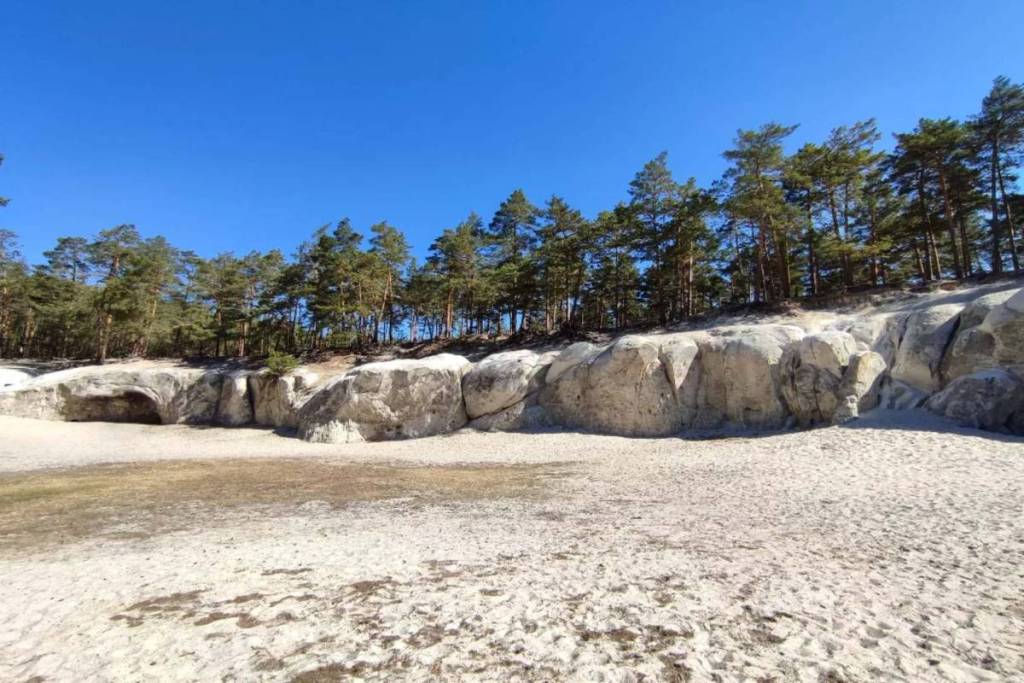
Film productions have also already discovered this extraordinary setting. Among other projects, the sand caves served as a filming location for “Das singende, klingende Bäumchen,” “Polizeiruf 110 – Hexen brennen,” and the feature film “Woodwalkers.”
In the middle of the clearing stands the Dedingstein. Historians speculate that a Germanic thing site once stood here, where court proceedings and tribal assemblies were held. However, this theory has not yet been conclusively proven.
Since 2018, the sand caves have been protected as a cultural monument. Since the sandstone is very soft and is constantly being eroded by wind and weather anyway, the authorities ask visitors not to carve inscriptions into the rocks, not to break off pieces of sandstone, and to stay exclusively on the designated trails.
